SÃO PAULO, SP (FOLHAPRESS) - Hospitalized in a hospital in Rio de Janeiro since mid-June to treat lung inflammation, former Brazilian national team coach Carlos Alberto Parreira showed clinical improvement and was discharged to the semi-intensive unit this Monday (27).
Parreira's health improves and leaves ICU
SÃO PAULO, SP (FOLHAPRESS) - Hospitalized in a hospital in Rio de Janeiro since mid-June to treat lung inflammation, former Brazilian national team coach Carlos Alberto Parreira showed clinical improvement and was...
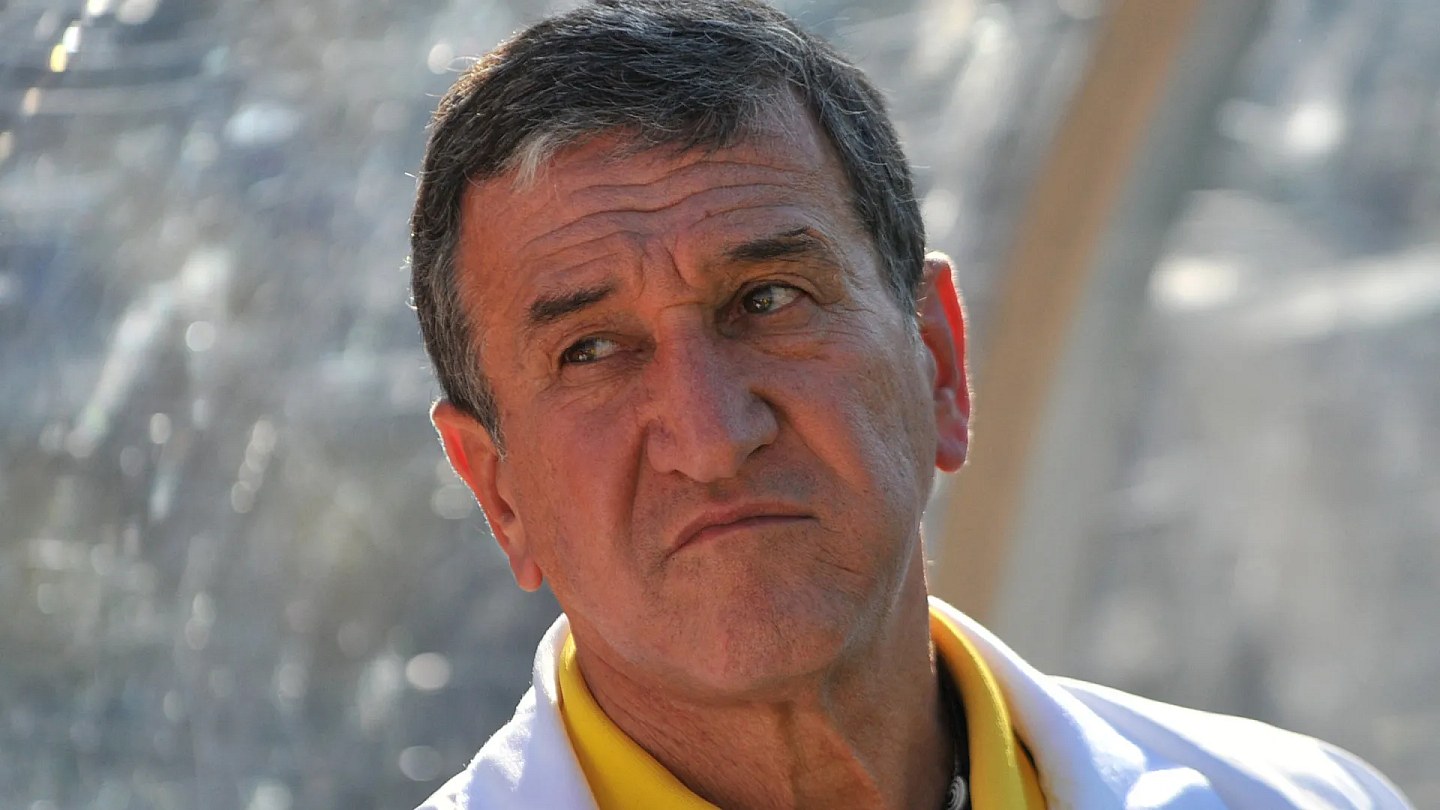
"The patient is tracheostomized, lucid, collaborative and with his renal function stabilized", informed the Hospital Samaritano Barra, where the trainer is hospitalized, in a note.
Parreira had been admitted to the unit's ICU (Intensive Care Unit) since June 16, and he remains monitored by the intensive care pulmonologist, Arthur Vianna, and the hospital's multidisciplinary care team.
During his hospitalization, he was able to breathe with the help of devices, and had to undergo surgery to stop a nosebleed.
In 2024, Parreira underwent chemotherapy to treat Hodgkin's lymphoma.
Commander of Brazil's campaign for the fourth World Cup in 1994, Parreira participated via video in Carlo Ancelotti's presentation at the CBF (Brazilian Football Confederation), last year. He was in the United States and welcomed the arrival of the Italian, on recording.
Parreira was a physical trainer for the tri team, led by Zagallo in 1970, and coach of the tetra, in 1994. The duo returned to the national team in 2006 - Parreira as coach and Zagallo as an assistant.
Parreira was also on the technical committee of the 2014 World Cup, in which Luiz Felipe Scolari was the coach.
In addition to the four World Cups in which he accompanied Brazil, he coached Kuwait in 1982, the United Arab Emirates in 1990, Saudi Arabia in 1998 and South Africa in 2010.
Read Also: STJ rejects Robinho's appeal to take sentencing analysis to the STF
Source: Noticias ao Minuto - Esporte
This story was originally published by Noticias ao Minuto - Esporte. Visit the original publication for further details.
Open original publication