SÃO PAULO, SP (FOLHAPRESS) - The Luiz Inácio Lula da Silva (PT) government's programs aimed at the popular economy are helping to boost the approval of the PT administration on the eve of the re-election campaign.
Developments and debate on 6x1 scale help improve Lula's approval, says Quaest
SÃO PAULO, SP (FOLHAPRESS) - The Luiz Inácio Lula da Silva (PT) government's programs aimed at the popular economy are helping to boost the approval of the PT administration on the eve of the re-election campaign. The...
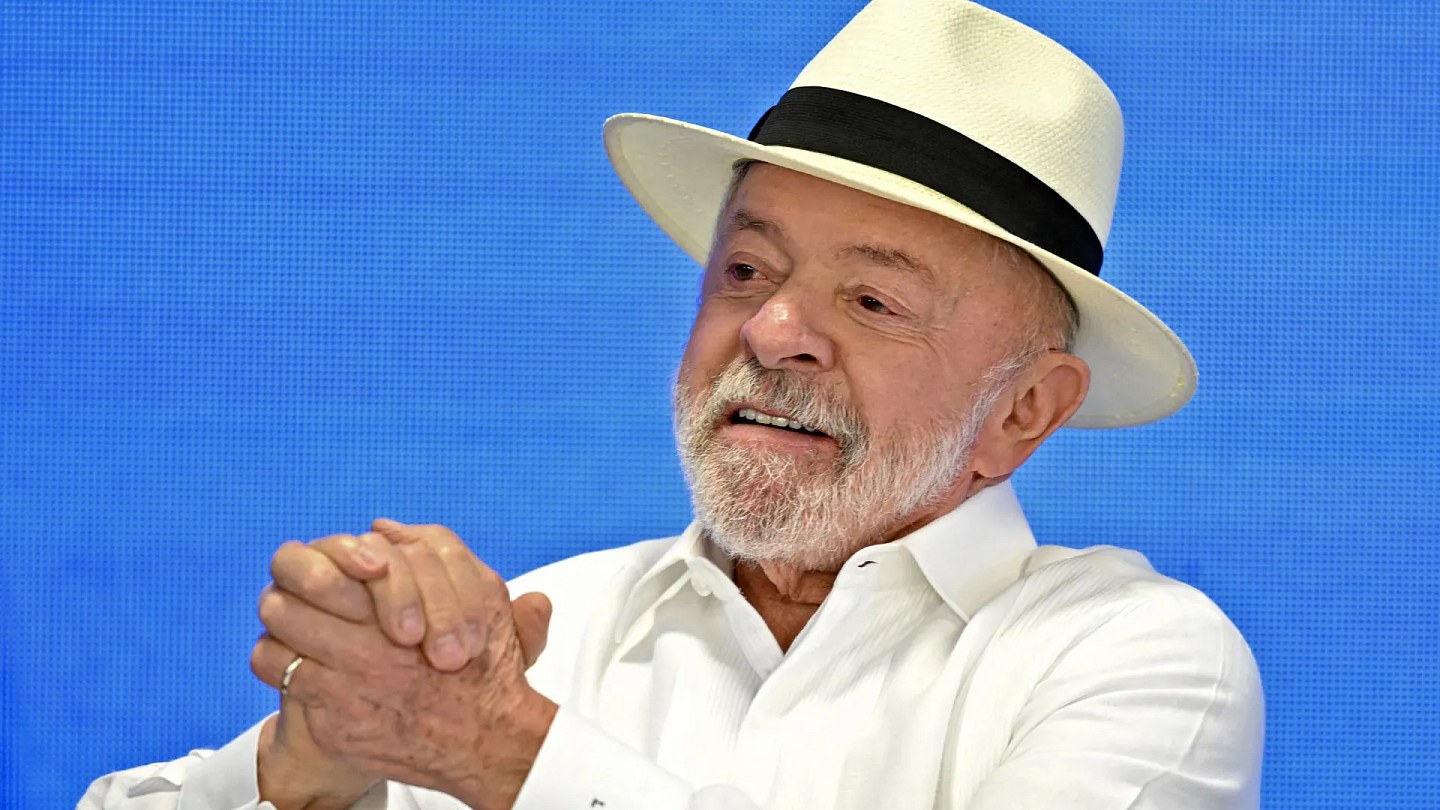

The finding comes from the Genial/Quaest survey this Wednesday (15), which showed that government approval reached 48%, the best result for Lula since the end of 2024. The figure was numerically above disapproval (47%), while the percentage of those who do not know or prefer not to respond remained stable, at 5%. The margin of error is two percentage points.
Government approval had been growing since April: since then, the variation was five percentage points. "What explains this is that the government is managing to deliver results to a very specific electorate", says Felipe Nunes, director of Quaest and professor at FGV (Fundação Getúlio Vargas).
"We are talking about reducing debt through Desenrola, the expectation of better working conditions with the discussion of the 6x1 scale and an increase in the standard of living, if we consider the marginal improvement due to the increase in the Income Tax exemption range."
Nunes states that the government's initiatives in the popular economy are especially sensitizing the independent electorate - that is, who are not located on either the Bolsonarista or Lulista spectrum, mapped by the research. The discussion for these voters, according to him, is more pragmatic than ideological.
The data is in line with the June Datafolha survey, which showed that the share of Brazilians who were pessimistic about the economy fell from 35% to 26%.
At the time of the survey, economists and political scientists also credited the improved perception of economic activity to the Desenrola program, which was launched in early May. Government stimulus to the economy in an election year and even the World Cup were also listed as reasons.
"The improvement in approval [in the Quaest survey] is not that significant in any segment, but there are small positive fluctuations in several of them. Among young people, for example, it has improved a lot due to the discussion about the end of the 6x1 scale, which excites them a lot", says Nunes.
"There is an improvement in the middle income sector. This has to do with the discussion of Income Tax. And among men and women, there is, in general, a recovery in popularity. In my view, this has to do with Desenrola Brasil."
The research mapped the electorate's perception of each of the measures mentioned by Nunes. In the case of the IR exemption for those earning up to R$5,000, among the 32% of those consulted who said they had benefited from the measure, the percentage of those who reported not having felt a difference in their pockets went from 50% in February to 39% in July.
Those who stated that their income increased, but not much, went from 32% to 35%. Among those who said that their income increased significantly, the rate went from 15% to 24%, also on the same basis of comparison.
The IR reform was implemented at the beginning of the year and, in addition to increasing the exemption range, a discount was also created for taxpayers who earn between R$5,000 and R$7,350 per month.
When asked about Novo Desenrola, 55% of those interviewed stated that the program is a good idea; in May, this number was at 50%. Among those who think it is a bad idea, the percentage went from 23% in May to 21% in July; for those who consider it an idea that helps a little, the figure went from 22% to 20%.
On the other hand, 31% said they had no debt; in May, this percentage was 27%. But, among those who reported having a lot of debt, the figure fell from 28% to 21%.
The program targets workers who receive up to five minimum wages per month (R$8,105) and allows them to renegotiate debts contracted until January 31, 2026 that are overdue between 90 days and two years. The accepted types are credit card debt, special check and personal credit.
Regarding the discussion about the 6x1 scale, the percentage of those who declared themselves in favor of reducing working hours remained at 69% between July of last year and now; in December, when the debate was raging on social media, this percentage reached 72%.
Those who declared themselves against went from 26% to 22% in the annual comparison; those who are neither for nor against, fluctuated from 3% to 5%.
The end of this scale and the reduction of the working day from 44 hours to 40 hours per week were approved by the Chamber in May and now awaits the Senate's decision.
VOTING INTENTIONS
In a possible second round, Lula would win the election by 45% to 37% - an advantage of eight percentage points for the president over senator Flávio Bolsonaro (PL-RJ). Whites, nulls and declarations that they will not vote total 14%, and undecided, 4%.
Lula fluctuated positively among the non-Lulist left (from 48% to 57%) between June and July; among independents, it went from 12% to 13%. Flávio, however, fell from 44% to 32% among the non-Bolsonarist right and fluctuated negatively from 50% to 45% among Bolsonarists.
The margin of error for the non-Lulista left is five percentage points, and four points for independents. There is a six percentage point margin for Bolsonarists, and five for non-Bolsonarists.
Nunes attributes this result to campaign errors, such as the imbroglio between Michelle Bolsonaro and the senator and the Dark Horse case.
"The non-Bolsonarist right is understanding that, against Flávio, Lula's chances of winning the election are increasing. This portion of the electorate is starting to no longer intend to vote for Flávio and is now turning to other candidates", says the director of Quaest.
"It's a clear message. They're saying, 'Look, I don't think I can go with him anymore, so I'm going with another option'. But he still doesn't know what it is, because the alternative names are still unknown."
Read Also: Bolsonaro's defense tells the STF that he did not know about Flávio's letter being released
Source:
Noticias ao Minuto - Politica