BRASÍLIA, DF (FOLHAPRESS) - The STF (Supreme Federal Court) tends to decide in favor of the Lula government (PT) and bar the PEC (proposed amendment to the Constitution) from the retirement of health agents. The proposal was approved this Tuesday (14) by the Senate and is considered a bombshell due to its billion-dollar fiscal impact.
STF tends to decide in favor of the Lula government and block the bomb agenda approved by the Senate
BRASÍLIA, DF (FOLHAPRESS) - The STF (Supreme Federal Court) tends to decide in favor of the Lula government (PT) and bar the PEC (proposed amendment to the Constitution) from the retirement of health agents. The...
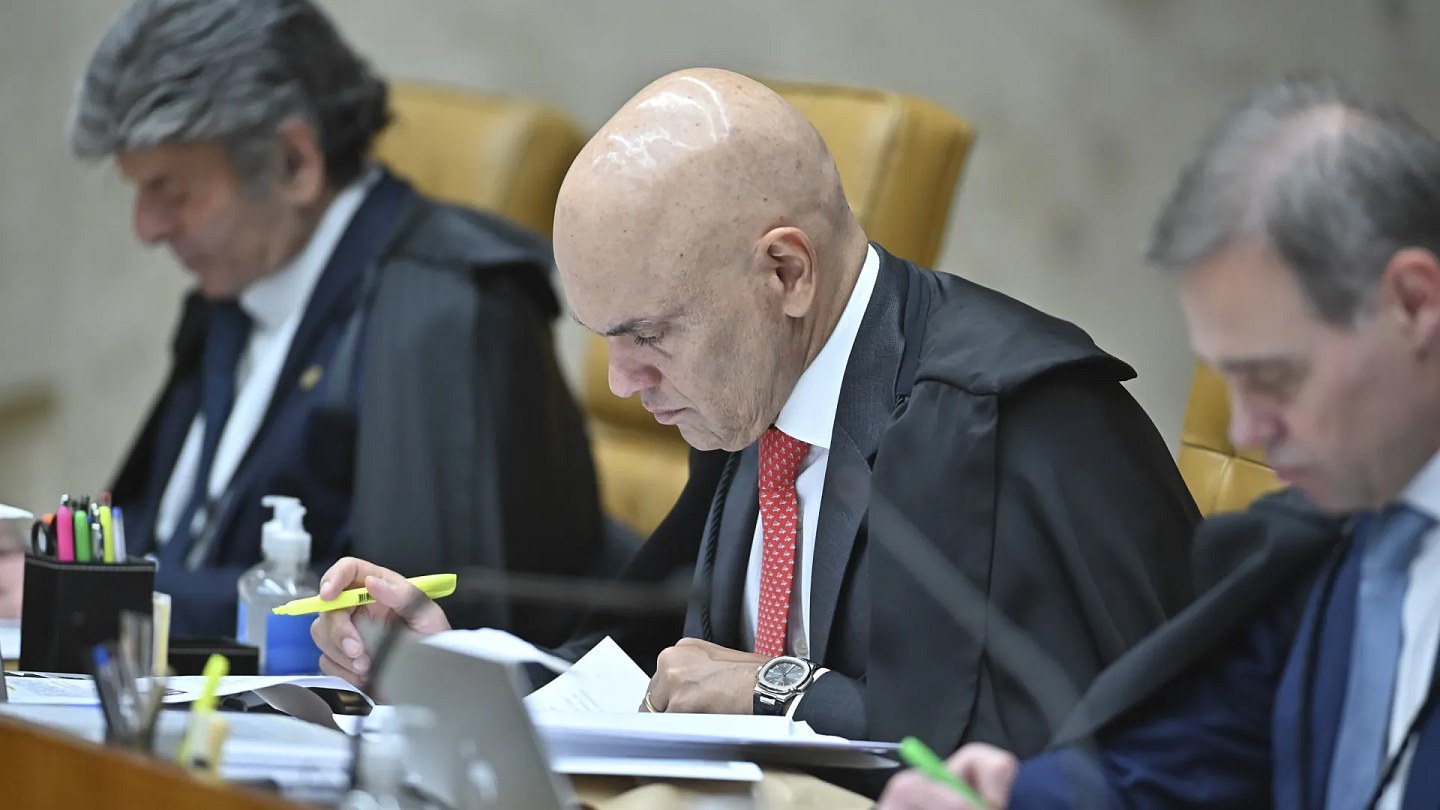

Two ministers from opposite wings of the court assess that there is a high chance of granting an injunction, with a subsequent plenary referendum, if there is no clear indication in the text about the source of revenue that would offset the extra expenses.
As the text had already been validated by the Chamber of Deputies, it goes straight to promulgation, without the possibility of veto by the President of the Republic. Faced with this, the government began to articulate its reaction.
The economic team calculates that the PEC will cost the treasury R$30 billion in ten years. Shortly after the approval of the proposal by the Senate, the Minister of Finance, Dario Durigan, signaled that he intends to call the Supreme Court to seek "respect for fiscal balance".
This Wednesday (15), he once again said that "it is possible and likely" that the government will bring the matter to justice. "There is a need for fiscal commitment to future generations. The PEC does not provide sources of revenue, placing a heavy burden on the federal government and other federative units, without compensation and in disagreement with the country's budget planning."
Durigan said, however, that the text could still undergo reevaluation. He claims to have asked the president of the Senate, Davi Alcolumbre (União-AP), not to enact the PEC "in the dark", but only when he has access to all the necessary fiscal data.
The Finance Minister spoke to the press after a meeting with the president of the STF, Edson Fachin, with whom he discussed protocols for regulating betting. According to Durigan, the bomb agendas were not the subject of the meeting.
The PEC approved by the Senate creates a special retirement for community health workers and agents fighting endemic diseases, establishing a lower minimum age for these categories in relation to other Social Security insureds.
There is also a complementary benefit for professionals linked to the INSS (National Social Security Institute) and the right to full pay (retirement with the same active salary) and parity (guarantee of the same adjustment granted to active employees). The measure is expected to impact around 377 thousand people.
In court, the reading is that the court has been strict with legislative initiatives that provide for increased spending without impact studies and without specification on compensatory measures, as occurred in the case of the payroll tax exemption.
At the time, the STF plenary understood that, under the Fiscal Responsibility Law, the expansion of tax incentives cannot occur without indicating where the money will come from and how to repair the loss of revenue. The trial ended in April.
Faced with the advancement of new bomb agendas in the National Congress, minister Gilmar Mendes proposed the publication of a summary to define that any legislative proposal that does not comply with these parameters is automatically declared unconstitutional.
A notice has been opened for those interested in the topic to present proposals for improving the drafting of the summary, which should occur by the end of August. Afterwards, Gilmar's suggestion will be put to trial, with a tendency toward approval.
The expectation behind the scenes at the STF, however, is that any action filed by the government against the health agents' PEC will proceed at a faster pace - and that the ministers' discussions around this specific case will boost the debate on the summary.
The Senate spoke out against the possibility of the Supreme Court establishing this rule, as it understood that it would transform the court "into a permanent instance of revalidating the budgetary and economic choices of the Legislative and Executive".
According to the Senate's lawyers, the body actually competent to control estimates of budgetary impact and compensatory measures is the TCU (Federal Audit Court), and not the Supreme Court.
The CNM (National Confederation of Municipalities) and the FNP (National Front of Mayors) spoke out in favor of the approval of the summary by the Supreme Court. According to the entities, the rule has a preventive nature, as the bomb guidelines can affect the financial autonomy of subnational entities.
Read Also: Bolsonaro's defense tells the STF that he did not know about Flávio's letter being released
Source:
Noticias ao Minuto - Politica