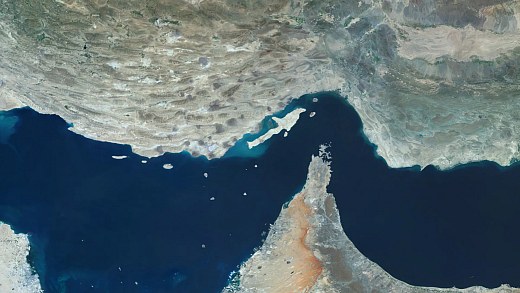
SÃO PAULO, SP (FOLHAPRESS) - On the first day of the American naval blockade of Iran and after new threats from Donald Trump, the theocracy maintained its aggressive rhetoric towards its rivals, but for the first time since the resumption of hostilities in the Middle East it admitted that it wants to negotiate a diplomatic way out of the crisis.
Iran admits negotiating after returning US attacks
SÃO PAULO, SP (FOLHAPRESS) - On the first day of the American naval blockade of Iran and after new threats from Donald Trump, the theocracy maintained its aggressive rhetoric towards its rivals, but for the first time...
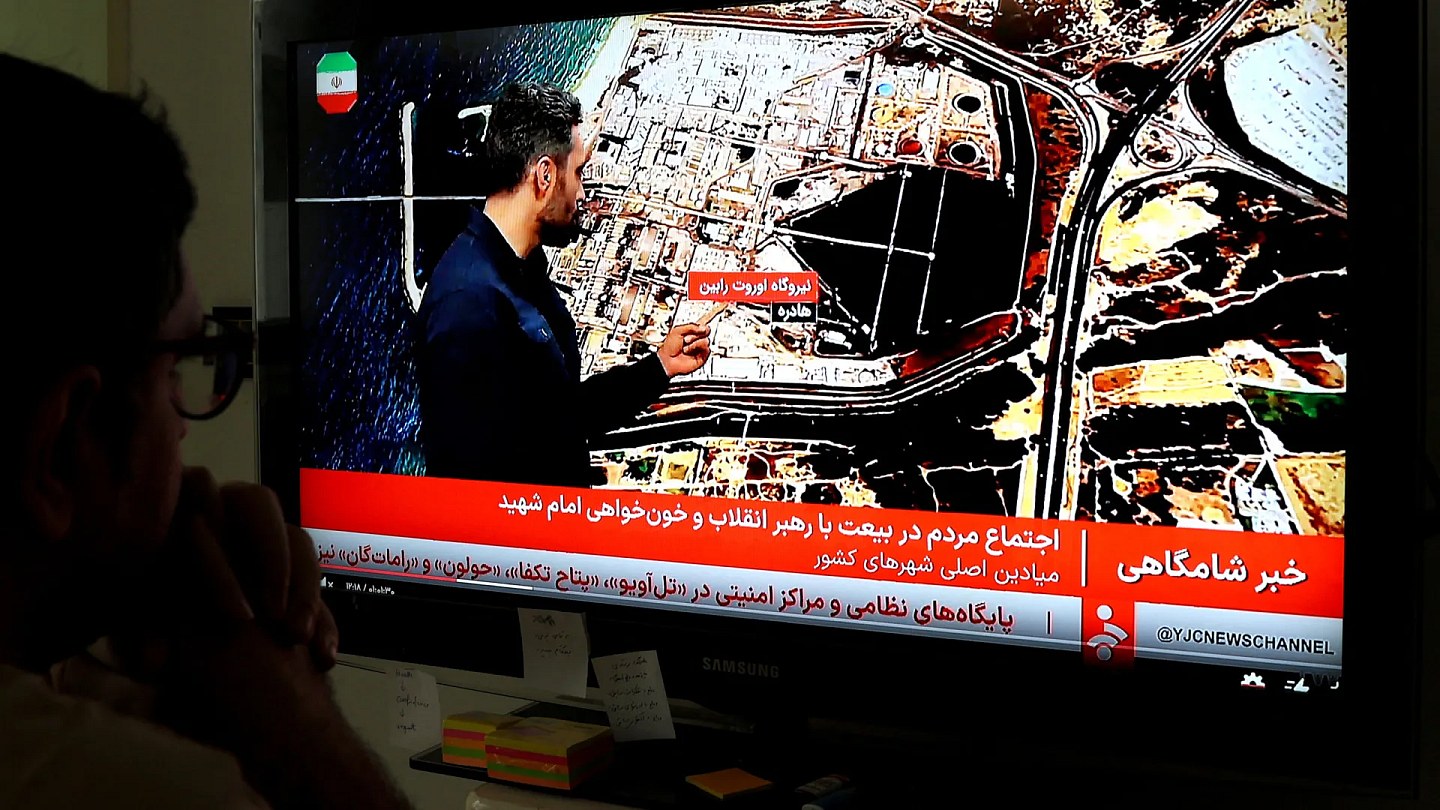

In a statement this Wednesday (15), Iran's main negotiator, President of Parliament Mohammad Bagher Ghalibaf, stated that "choosing between negotiations and war would be a strategic mistake", even though his country is ready to retaliate for every American attack.
"We will defend our national interest, but we must also use the instruments of diplomacy", he stated, while rejecting the terms of the truce that Iran had signed with the United States on June 17, which Trump declared null last Wednesday (8). Therefore, despite the opening, it is uncertain whether there will be progress.
Despite the calculated language, the Iranian inflection comes after the beginning of the US blockade of the country's ports. The Central Command of the United States Armed Forces, which operates in the Middle East region, said on Wednesday it had diverted two ships that tried to circumvent the action, which began the day before.
In its account on
Later, the command said that fighter planes hit the smokestack of an unloaded Curaçao-flagged oil tanker heading to Kharg Island, Iran's oil terminal.
Previously, the theocracy's Revolutionary Guard had also said without elaborating that it had stopped two ships that did not have permission to pass through the strait, but it is not clear whether they were different vessels or just another narrative dispute in the region.
The blockade was implemented at 5pm, Brasília time, on Tuesday (14). It is the second time that the US has taken the measure this year. The first was between April 13 and June 17, when a 60-day ceasefire was signed and the American president declared dead last Wednesday (8).
The war has since returned to an active phase, but a limited one compared to the five weeks since the first US and Israeli strikes on Iran on February 28. For now, Tel Aviv is out of action and Washington has targeted military targets linked to Iranian operations in the strait.
The route is central to the global oil market, being the outlet for 20% of the world's production of the commodity and liquefied natural gas in times of peace.
Iran has shown that it can in practice close the transit of ships, and the US says it will not allow that - Trump even tried to repeat the theocracy and demand a toll for his navigation guarantee, but backed down.
Throughout the early hours of Wednesday, the US continued its attacks on Iran. On the other hand, there were new actions by Tehran against targets in Bahrain and Kuwait. Since the end of the ceasefire, the Iranians have hit nine oil tankers in the Persian Gulf and a Kuwaiti warship.
But the military focus of the current phase of the conflict could change quickly, which may have influenced Ghalibaf's signaling. In an interview with Fox News on Tuesday night, Trump said he is open to negotiating, but if there is no quick deal with Iran he will target his rival's civilian infrastructure.
If nothing is agreed upon by next week, Trump said, "we are going to destroy all your power plants." "We will burn all their bridges if they don't come to the negotiating table."
The speech repeated terms, in a less dramatic way, used by the president in his infamous statement on April 7, when he stated that "an entire civilization will die today". The bravado, evidently not consummated, was read as an open declaration of genocide.
If he deliberately goes ahead with civilian targets, Trump would also be violating the 1949 Geneva Conventions, which govern military engagements and prohibit the practice. Not that he, or Iran, are too worried about that at this point.
Tehran, in turn, had said early this Wednesday morning that the continuation of the attacks will lead the country to impede all energy trade in the Middle East. “The export of oil and gas from the region will be either for everyone or for no one,” stated a statement from the Revolutionary Guard.
According to Iranian state media, this includes the Red Sea and the Bab al-Mandab Strait, which connects the region to the Indian Ocean. That point is exposed to Yemen's pro-Iran rebels, the Houthis, who this week resumed open hostilities with the government they ousted from the capital in 2014.
The confusing situation in Yemen emerged when the country's recognized government, supported by Saudi Arabian forces, bombed the airport in the capital Sanaa, in the hands of the Houthis, and imposed an air blockade on the city.
The rebels then launched missiles at the Saudi south and shot down a reconnaissance drone from the kingdom, which has so far not commented on the crisis. As in previous moments of the civil war in the Arab country, the rivals seem to adopt a measured tone, studying the next step.
But the Houthi command has already threatened to act in the Red Sea on behalf of its allies in Tehran, which could make life even more difficult for Saudi oil exports, given that the kingdom uses the port of Yanbu, in the Red Sea, to transport part of its production blocked in Hormuz.
Read Also: US launches attacks on Iranian bases that threaten flow in Hormuz
Source:
Noticias ao Minuto - Ultima Hora