Rapid weight loss associated with the use of medications such as Ozempic, Wegovy and Mounjaro has drawn attention to a lesser-known change in the face: the deepening of the temple region.
Slimming pens could have a new effect on your face, doctors say
Rapid weight loss associated with the use of medications such as Ozempic, Wegovy and Mounjaro has drawn attention to a lesser-known change in the face: the deepening of the temple region. The effect, described by...
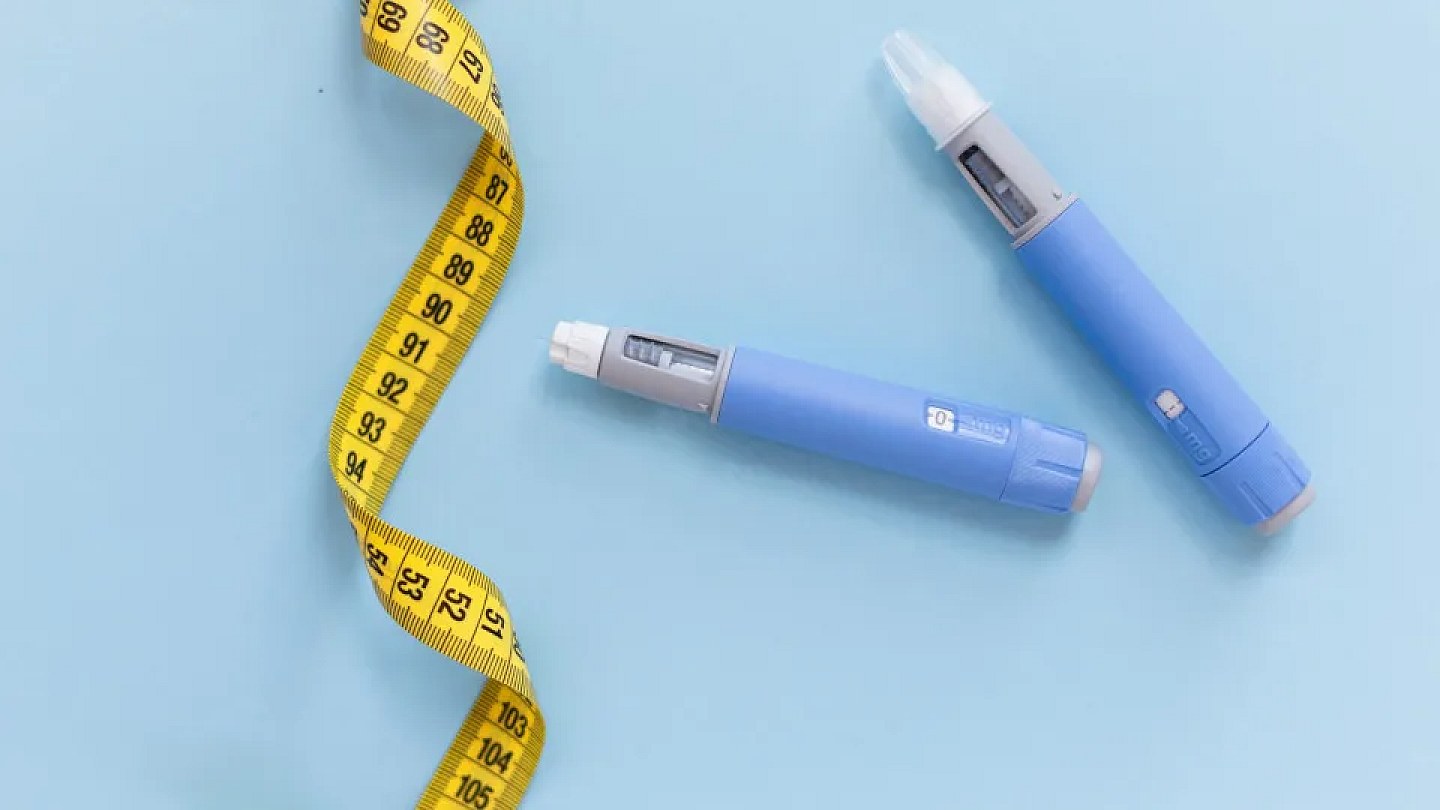
The effect, described by experts as loss of temporal volume, can make the sides of the forehead deeper and accentuate the appearance of tiredness, aging or dehydration.
Although it is often associated with so-called weight loss pens, the problem is not considered an exclusive consequence of the medications. The reduction in facial adipose tissue can occur after any significant weight loss, especially when weight loss occurs in a short period of time.
What happens to the temples after weight loss?
The temples are on the sides of the face, between the forehead and the ears. The region contains fat, muscles, blood vessels and other structures that help support the facial contour.
When there is fat loss at this point, the area may take on a deeper appearance. The change is usually noticed along with other signs, such as hollow cheeks, more marked eyes, sagging and more evident wrinkles.
Plastic surgeon Terry Dubrow explained that many patients notice that their face has changed after losing weight, but they are not always able to immediately identify the source of the difference.
"The temples are close to the brain, but they are often the last thing patients think about when they see a plastic surgeon. Often, patients who have lost weight quickly using GLP-1 notice that something has changed in their face, but they can't identify what," he said.
Loss of volume can increase the appearance of aging
According to Dubrow, small changes in the temples interfere with the balance of the facial proportions. The region tends to be more filled in children and young adults, while emptying appears naturally with advancing age.
"It takes away the youthful balance of the face. When you look at a young face, at children and babies, the temple area is very full," he declared.
The doctor classified the loss of temporal volume as a characteristic associated with aging, dehydration and certain diseases, in addition to appearing frequently among people who lost weight quickly using GLP-1 class drugs.
Is the so-called “Ozempic face” a side effect?
The expression “Ozempic face” does not correspond to a medical diagnosis. It is used to describe aesthetic changes caused by the loss of facial fat, such as sagging, sunken cheeks and greater definition of bone structures.
A scientific review published in 2025 identified reports of marked loss of facial volume among semaglutide users, but highlighted that more studies are still needed to understand the direct relationship between the medications and these changes.
The American Society of Plastic Surgeons also relates the aging appearance mainly to rapid weight loss, which can reduce fat and muscle tone in the face.
Filling the temples requires care
Some people seek aesthetic procedures to regain lost volume. Options include injectable fillers and body fat transfer.
Plastic surgeon Krishna Vyas warns, however, that the face should not be filled indiscriminately.
"You shouldn't necessarily fill your face with excess fat, as this can result in other aesthetic problems. Certain areas should be accentuated. Others, highlighted", he explained.
The temples are considered a delicate region due to the presence of important blood vessels. An improper application can cause serious complications.
"The temples are a high-risk area for filler. They are full of veins and arteries. If something goes wrong, the person can go blind. Therefore, it is essential to see a qualified medical professional," warned Vyas.
How to reduce the risk of volume loss in the face?
Experts recommend that weight loss be monitored by a doctor and occur gradually. The dose of medication should not be increased on its own or at a higher rate than prescribed.
"Don't go too fast. Don't try to increase the dose too quickly. Do exactly what needs to be done," advised Vyas.
Maintaining a balanced diet, with adequate intake of proteins, vitamins and minerals, can also help preserve muscle mass and reduce problems related to accelerated weight loss.
Changes in the face, hair loss, weakness or difficulty eating should be reported to the professional responsible for the treatment. GLP-1 class medications are for controlled use and should not be used without a prescription and medical supervision.
Anvisa approves 5 new pens to treat obesity; see which ones
The new injectable pens were registered in comparison with Ozempic and are recommended for adults with type 2 diabetes. The authorizations are part of Anvisa's strategy to accelerate analyzes and expand the supply of medicines in the country
Source: Noticias ao Minuto
Next recommended read
This story was originally published by Noticias ao Minuto. Visit the original publication for further details.
Open original publication