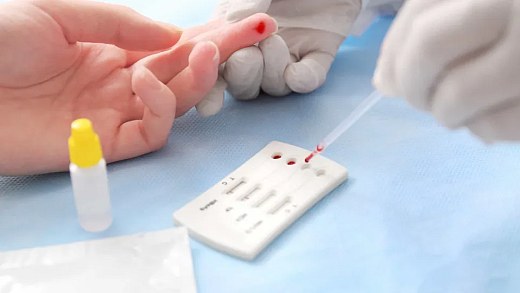
Experts explain why low temperatures overload the heart and increase the risk of heart attack and stroke, especially among people with chronic illnesses.
Stroke and heart attack cases can increase by up to 30% during winter
Experts explain why low temperatures overload the heart and increase the risk of heart attack and stroke, especially among people with chronic illnesses. Low winter temperatures not only increase the incidence of...
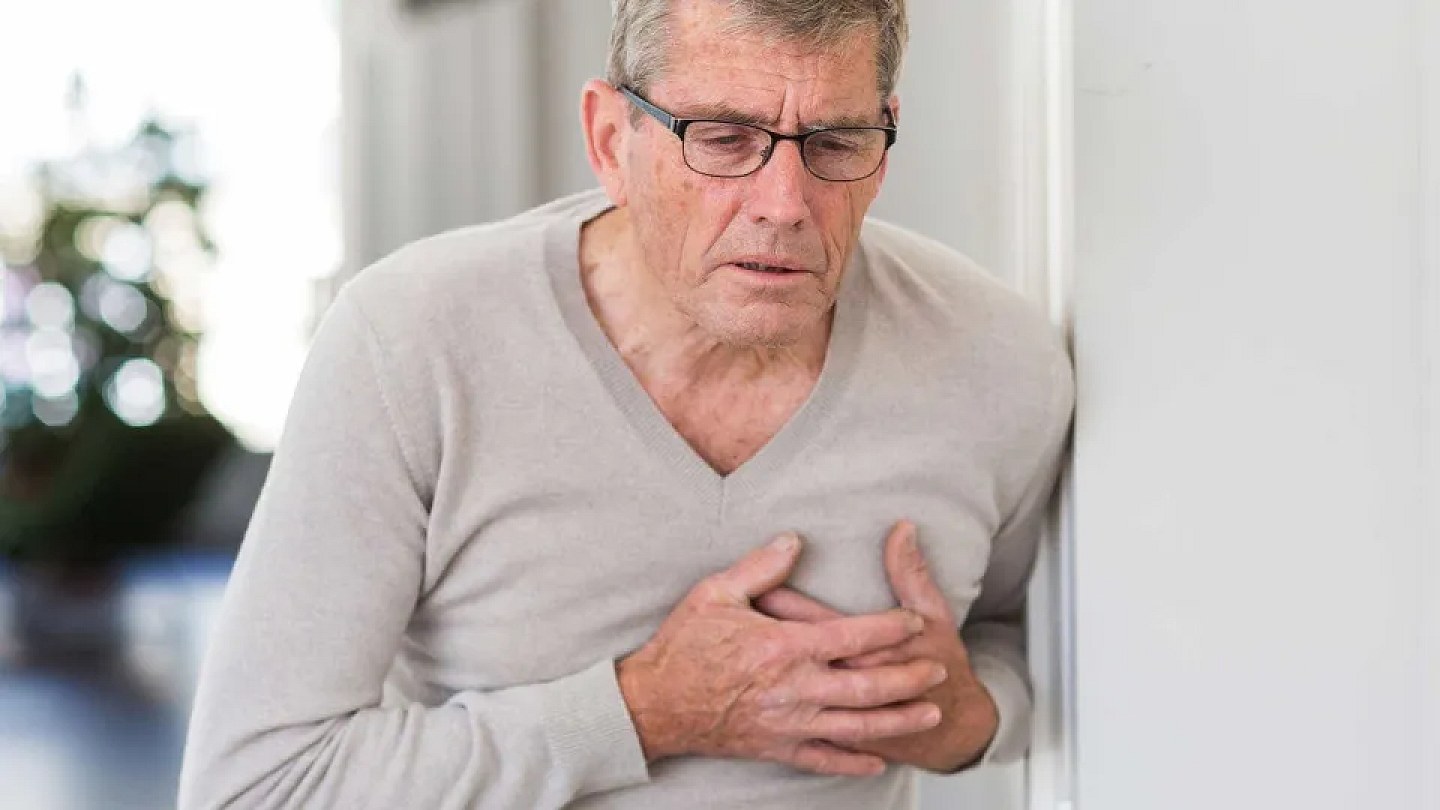
Low winter temperatures not only increase the incidence of respiratory diseases. They are also associated with the increase in cases of heart attacks and strokes. According to data from the National Institute of Cardiology (INC), occurrences of Acute Myocardial Infarction (AMI) can rise by up to 30% in the coldest months, while stroke cases increase by around 20%, especially when the temperature drops below 14°C.
According to Dr. Murilo Meneses, doctor and postgraduate professor of Cardiology at Afya Goiânia, the main reason lies in the body's natural response to the cold. To preserve body temperature, vasoconstriction occurs, a narrowing of blood vessels that increases resistance to the passage of blood and increases blood pressure. "When we are exposed to cold, the body activates mechanisms to preserve body temperature. One of the main ones is vasoconstriction, which causes the blood to find more resistance to circulate and increases blood pressure. Furthermore, cold activates the sympathetic nervous system, increasing the release of adrenaline, heart rate and the heart's demand for oxygen. This set of changes helps to explain why winter is associated with an increase in cardiovascular events, especially in people who already have risk factors, such as hypertension, diabetes, high cholesterol and cardiovascular disease", explains the cardiologist.
In addition to the changes caused by the cold, changes in behavior typical of this time of year also contribute to an increase in risk. Reducing the practice of physical activities, greater intake of foods rich in fat and sodium and insufficient water consumption favor the decompensation of cardiovascular and metabolic diseases.
For the specialist, healthy people tend to tolerate these physiological adaptations well. However, in individuals with fatty plaques in the coronary arteries, the increased workload of the heart may pose an important risk.
"The cold makes the heart need to work harder. Vasoconstriction increases blood pressure and forces the heart muscle to exert more force to pump blood. At the same time, the body spends more energy to maintain body temperature, increasing the need for oxygen. In those who already have obstructions in the heart arteries, this imbalance between supply and demand for oxygen can favor a heart attack. Furthermore, very low temperatures can also increase inflammation and favor the formation of clots, contributing to the breakdown of plaques. fat", highlights Dr. Murilo.
According to Dr. Normando Guedes, neurosurgeon and professor at Afya Brasília, it is important to clarify that cold alone does not cause a stroke, but can significantly increase the risk in people who already have predisposing factors. "The cold, in itself, does not cause a stroke. A healthy person will not suffer a stroke just because the temperature drops. The problem arises when the cold adds to factors that were already present, such as high blood pressure, diabetes, old age or artery disease. The cold works as a trigger, but those that really increase the risk are poorly controlled risk factors", he explains.
The expert states that this happens because the body goes through changes that favor both an increase in blood pressure and the formation of clots. "In the cold, blood vessels contract to conserve heat, causing blood pressure to increase. At the same time, the blood tends to become more concentrated and clot more easily. This combination increases the risk of a cerebral vessel clogging or rupturing. Studies even show that the peak occurrence of strokes usually appears a few days after a drop in temperature, which reinforces that care must be maintained throughout the cold period, and not just on the coldest days."
Therefore, according to the neurosurgeon, people with hypertension, diabetes, vascular diseases and the elderly need to take extra care during the winter. "This is the group that needs the most attention. It is essential not to interrupt or space out medication, maintain good hydration even without feeling thirsty, continue practicing physical activity, even indoors, avoid sudden changes in temperature and keep your vaccinations up to date, especially against flu and pneumonia. Winter is predictable and you can prepare for it. Therefore, controlling chronic diseases well remains the best way to protect the brain."
In addition to prevention, experts highlight that quickly recognizing symptoms can be decisive in saving lives and reducing sequelae. "In stroke, there is a well-known phrase among doctors: 'time is brain'. Every minute without treatment, the brain loses around 1.9 million neurons. The sooner the patient arrives at the hospital, the greater the chances of preserving brain tissue and reducing sequelae such as paralysis and difficulty speaking. You should never wait to see if the symptoms will pass", warns Dr. Normando.
The specialist emphasizes that other symptoms also deserve attention when they appear suddenly.
"Loss or blurring of vision, a very intense headache that is different from usual, dizziness with loss of balance and numbness on one side of the body can also indicate a stroke. Two guidelines help save lives: write down the time at which the symptoms began and immediately call SAMU. Assistance begins during transport to the hospital."
Experts reinforce that prevention remains the main strategy for reducing cardiovascular risks during winter. Keep blood pressure under control, correctly follow prescribed treatments, practice physical activity regularly, adopt a balanced diet
Source: Noticias ao Minuto
Next recommended read
This story was originally published by Noticias ao Minuto. Visit the original publication for further details.
Open original publication