Fever accompanied by headache and malaise is often interpreted as a consequence of a common virus. However, when neurological changes appear, the condition may indicate potentially serious diseases, such as meningitis and encephalitis, which require immediate diagnosis and treatment to reduce the risk of permanent sequelae and death, especially in children.
Fever with neurological changes requires immediate care
Fever accompanied by headache and malaise is often interpreted as a consequence of a common virus. However, when neurological changes appear, the condition may indicate potentially serious diseases, such as meningitis...
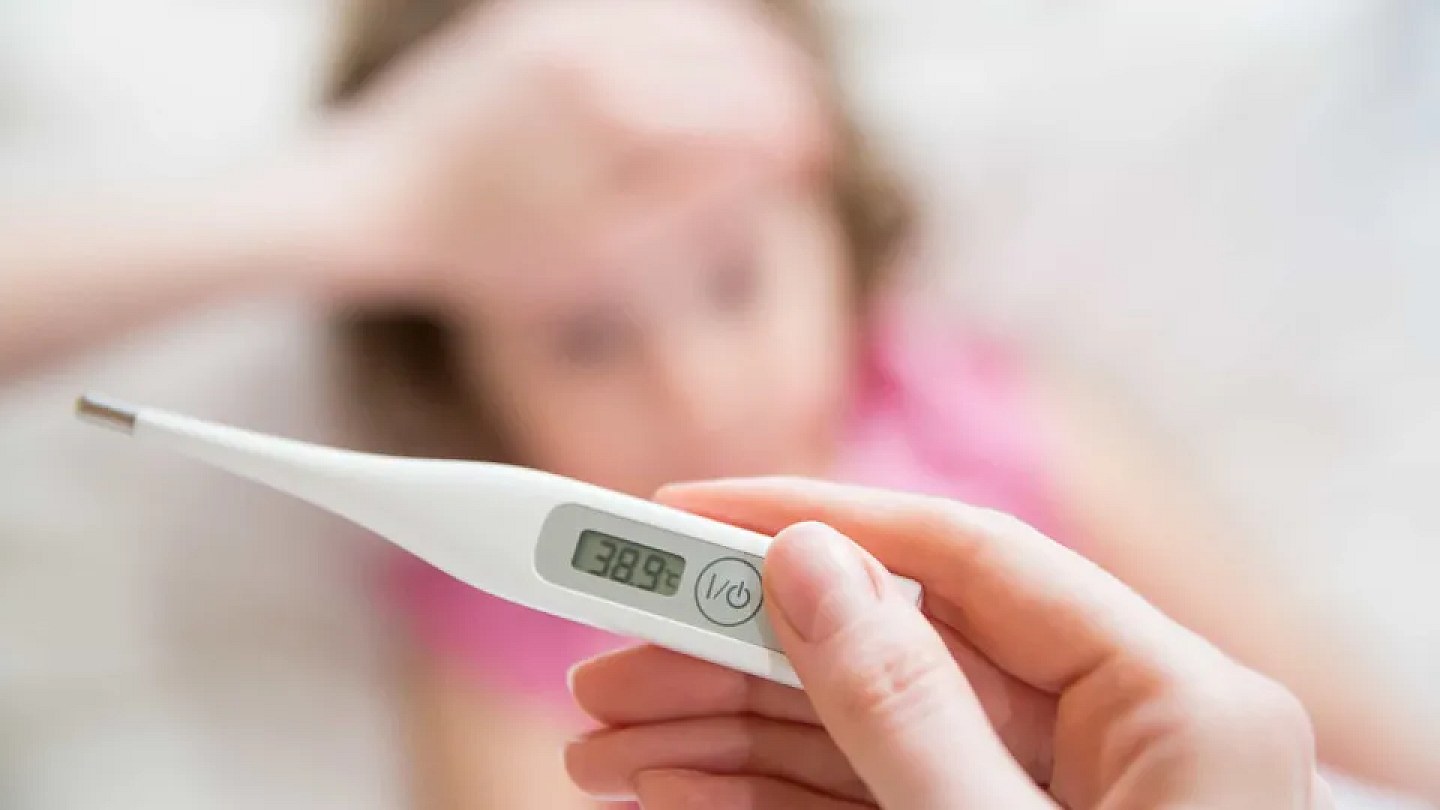
According to pediatric infectious disease specialist Dr. Renato Kfouri, vice-president of the Brazilian Society of Immunizations (SBIm), one of the main warning signs is precisely the change in the child or adult's usual behavior. "Significant prostration, excessive drowsiness, mental confusion, convulsive crises and poor general condition are manifestations that always deserve investigation. The speed of intervention makes a direct difference in the prognosis", he states.
The specialist emphasizes that clinical assessment must also consider the patient's age. In newborns, any episode of fever represents a reason for careful investigation. In young children, especially up to three months of age, the threshold for suspicion of serious infection is also lower, requiring immediate medical evaluation.
Early diagnosis reduces risk of sequelae
Meningitis and encephalitis are among the most serious infections of the central nervous system. Meningitis causes inflammation of the meninges ? membranes that surround the brain and spinal cord ?, while encephalitis directly affects brain tissue. Both can evolve quickly and cause permanent neurological sequelae, such as hearing loss, cognitive deficits, epilepsy and motor changes.
"Time is a decisive factor. Children who show warning signs must be investigated immediately. The earlier the diagnosis and the start of treatment, the greater the chances of recovery", emphasizes Kfouri.
Symptoms can be confused with viruses
One of the biggest difficulties faced by healthcare professionals is distinguishing, in the first hours of evolution, a self-limited viral infection from an invasive infection of the central nervous system.
According to Kfouri, this differentiation depends on a combination of detailed anamnesis, careful physical examination, vaccination status, epidemiological context and laboratory tests. Even with good clinical management, some cases can quickly evolve into serious complications, reinforcing the importance of continuous surveillance.
Advances in diagnosis accelerate the identification of the infectious agent
In recent years, advances in molecular diagnostic techniques have transformed the approach to these infections. Technologies such as multiplex PCR tests can simultaneously identify several viruses, bacteria and fungi directly in the CSF within a few hours, significantly reducing the time to define the appropriate treatment.
Vaccination remains the main form of prevention
Although the diagnosis has evolved significantly, experts reinforce that vaccination remains the most effective strategy to reduce cases of bacterial meningitis. The introduction of conjugate vaccines against meningococcus, pneumococcus and Haemophilus influenzae type b has profoundly changed the epidemiology of the disease in recent decades, reducing the incidence of the most severe forms in several countries.
When to seek care
For Renato Kfouri, families and initial care professionals must trust clinical signs and act quickly in the face of any important change in the child's general condition. "Parents are aware of their children's usual behavior. If they notice that the child is unwell, is experiencing intense prostration, is sleepy differently than usual or has any neurological changes, they should immediately seek out a pediatrician or an emergency service. These signs should never be ignored", adds the specialist.
Source: Noticias ao Minuto
Next recommended read
This story was originally published by Noticias ao Minuto. Visit the original publication for further details.
Open original publication