DOUGLAS GAVRASBUENOS AIRES, ARGENTINA (FOLHAPRESS) - experts have already been pointing out the effects that El Niño could have on the planting of grains such as soybeans and corn and difficulties in livestock farming, in a challenging scenario of high interest rates and rising costs, such as what is currently occurring in Brazil.
Effects of El Niño in Brazil go beyond food and should affect energy, transport and retail
DOUGLAS GAVRASBUENOS AIRES, ARGENTINA (FOLHAPRESS) - experts have already been pointing out the effects that El Niño could have on the planting of grains such as soybeans and corn and difficulties in livestock farming,...
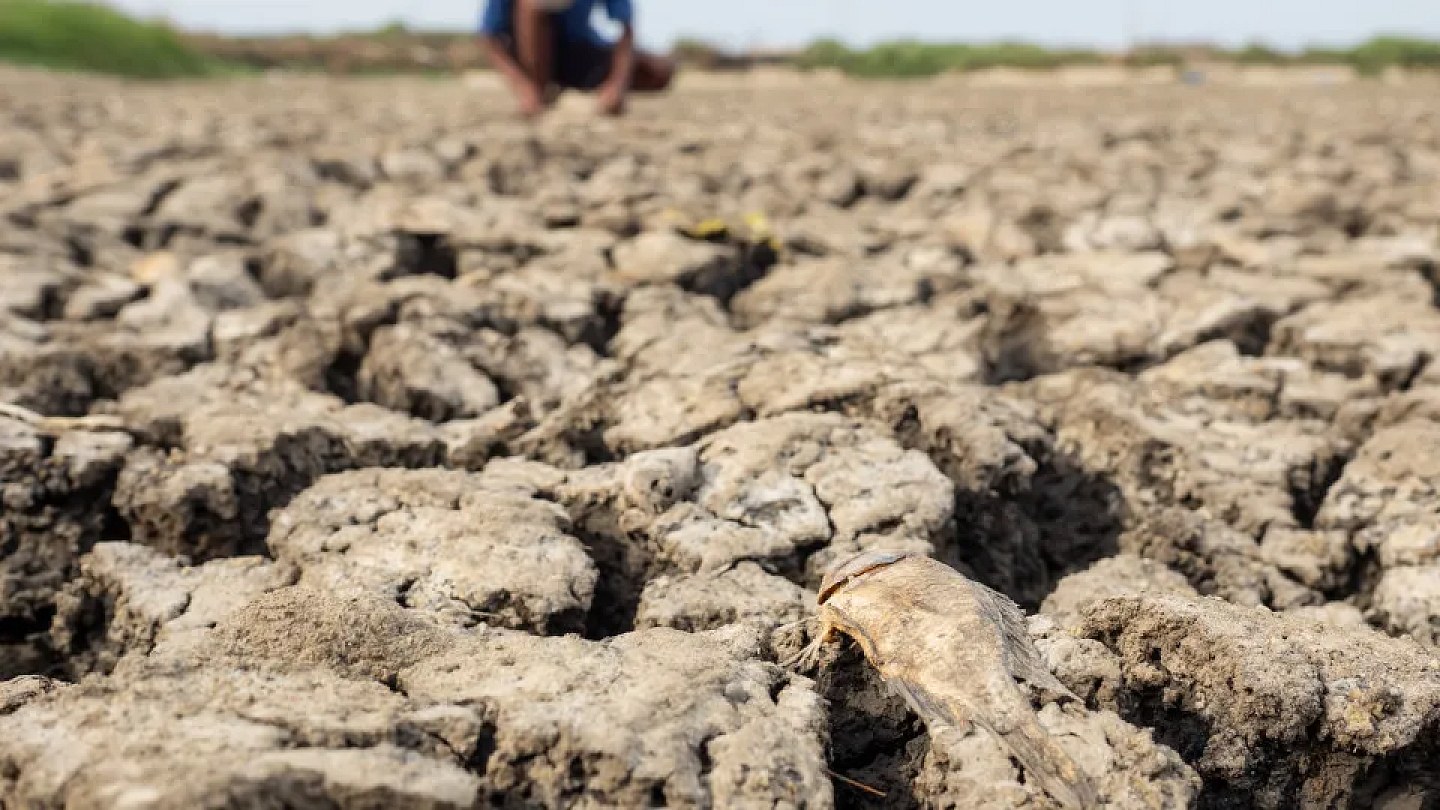
A report published on Tuesday (28) by XP Investimentos points out the effects of the climate phenomenon on different sectors that could go beyond the increase in food inflation. Pressure could also occur in energy generation, transport and retail.
The federal government has already identified risks of rice and corn crop failure due to El Niño and is preparing to activate thermoelectric plants to compensate for the possible reduction in hydroelectric production. The cost of the measures will be around R$1.3 billion.*
See sectors where El Niño is expected to have a greater impact:
FOOD AND DRINKS Economists consider that the implications for food inflation in Brazil with El Niño are important, but should not be overestimated. Analysts expect that fresh food inflation could reach a peak of around 20% in the second quarter of 2027, before falling to around 5% by the end of 2028. For 2026, the phenomenon could imply an increase of 0.35 percentage points in the IPCA (Broad Consumer Price Index), with 2.3 p.p. in food at home. For 2027, there are uncertainties due to the risk in fruit and vegetable prices, incorporating a 0.15 p.p. effect, which results in 1.0 p.p. in food at home. According to economists, the impact will depend on macroeconomic conditions, such as the exchange rate and diesel and fertilizer prices. These factors have, in past episodes, overcome the climate effect. Furthermore, the reversal of prices after the peak of El Niño rarely occurs clearly, as food inflation continued to rise in most cases. "On the economic activity side, El Niño tends to impact the results of Agricultural GDP. The expectation of high intensity of the climate phenomenon should bring down the productivity of Brazil's main crops", says the report. According to calculations, the average productivity of agricultural crops could decline by around 3% compared to a scenario without climate anomaly.
ENERGYAccording to analysts, the energy sector is usually one of the areas most affected by the climate phenomenon. The impact includes power generation, demand, hydroelectric reservoir levels and prices. The authors recall that in 2015-16, El Niño affected the recovery of reservoirs and led to a drop in spot (short-term) prices - and a similar situation is expected for 2026. Higher temperatures during El Niño result in higher consumption, as the use of air conditioning increases. As energy demand was low in June, with temperatures below average, analysts suggest that there is a risk of rising prices in the third and fourth quarters of 2026. In the second half of 2026, El Niño could change the dynamics of rainfall, as the phenomenon tends to cause rain during the dry season, which benefits generation in the Southeast/Central-West energy submarket. Experts remember that, historically, the amount of energy stored, and not the intensity of the phenomenon, is what determines prices. With above-average storage, current conditions indicate that prices are likely to come under pressure in the third and fourth quarters of 2026, the report points out.
RETAIL AND TRANSPORT For retail, the expected impact is medium, as a reflection of the effects of food inflation, which reduces the consumption of other items. "Smaller harvests should reduce supply, while more expensive inputs should put even more pressure on agricultural commodities, with the fastest transfer appearing in fresh products and items more exposed to fertilizers and oil, such as meat, dairy products, baked goods and edible oils", points out the report. They consider that the climate phenomenon could favor clothing retailers, considering that a shorter winter could prevent a more abrupt transition in the prices of spring/summer collections. The drier climate in the North region also threatens the navigability of rivers. XP also points out the exposure of transport companies to the potential implications of the climate effect on soybean and corn crops.
FINANCIALPortfolios with investments in the field concentrated in livestock, corn and soybeans are exposed to commodity cycles, exchange rate variations and climate shocks. This exposure increases vulnerability to events, analysts warn. Depending on the bank's level of exposure, El Niño could add significant risks, affecting the volatility of agricultural production and putting pressure on the cash flow of producers, who already face low margins.
Foods most sensitive to El Niño1st - Tubers, roots and legumes2nd - Vegetables and vegetables3rd - Fruits4th - Cereals, legumes and oilseeds5th - Fish6th - Sugars and derivatives7th - Oils and fats8th - Poultry and eggs9th - Meat10th - Salt and condimentsSource: XP Investimentos
Source: Noticias ao Minuto
Next recommended read
This story was originally published by Noticias ao Minuto. Visit the original publication for further details.
Open original publication

