Brazil has a three-year window of opportunity to become competitive in the international data center market to the point of competing against major players in the sector, such as the United States. The assessment is from the senior vice president of Corporate Development and Mergers and Acquisitions at Scala Data Centers, Luciano Fialho.
Brazil has a 3-year window to become competitive in data centers, according to sector
Brazil has a three-year window of opportunity to become competitive in the international data center market to the point of competing against major players in the sector, such as the United States. The assessment is...
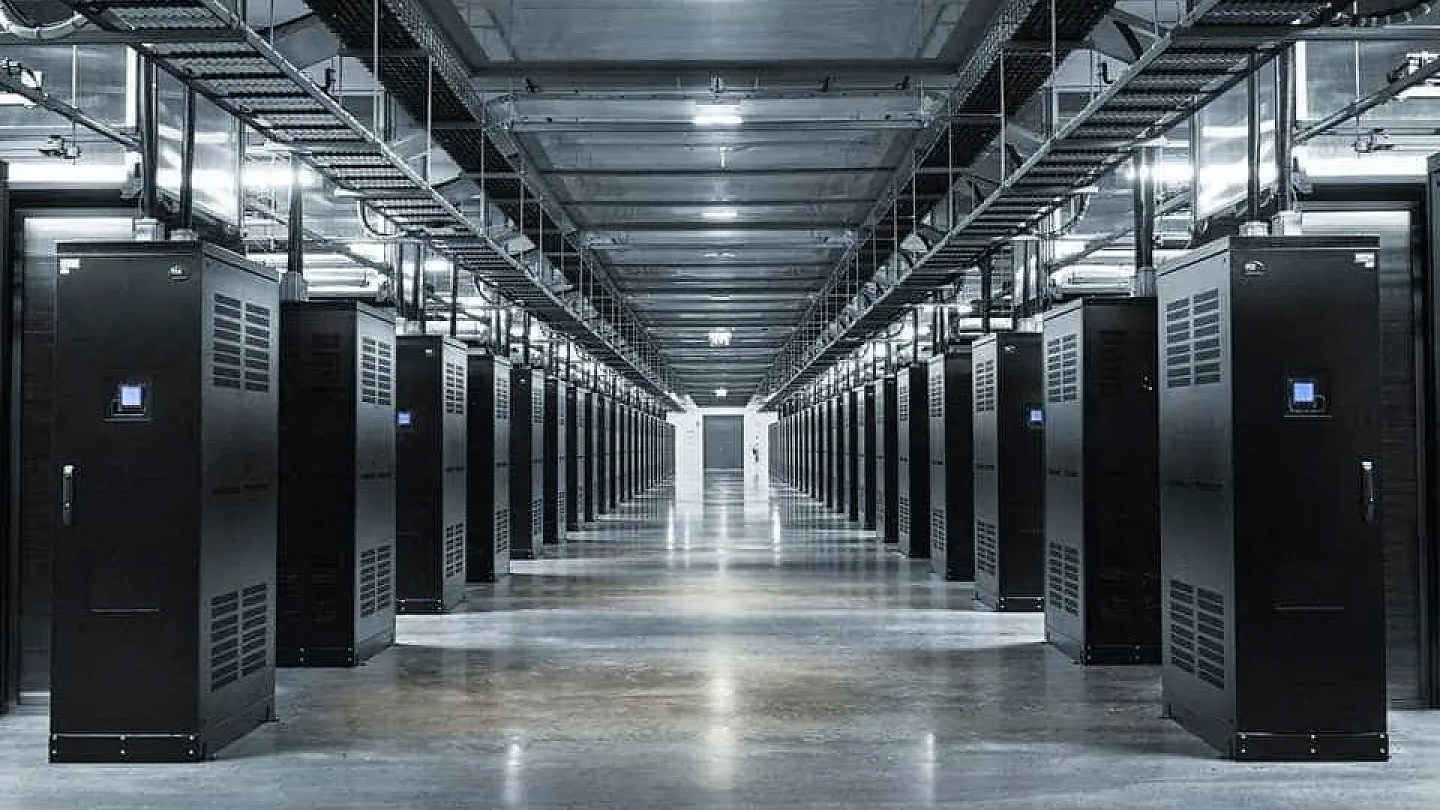
According to him, the opportunity comes from the momentary limitation that countries like the USA and Europe face with growth restrictions due to energy limitations for their expansion.
"There is a three-year window of opportunity. It's the connection queue in the United States and Europe. For you to be able to connect a data center to the energy infrastructure, you need five to seven years. In the next three years, there will be a processing gap. If this is confirmed, this demand needs to be processed somewhere else. That's where Brazil's opportunity comes in," he told Broadcast, Grupo Estado's real-time news system.
To achieve this, he states, the sector needs to move "immediately" to have time to attract foreign investment and guarantee its space among already consolidated markets. Otherwise, the opportunity is lost. "For me to deliver something in two, three years, it has to start today."
In the executive's assessment, the competition is global and involves a restricted group of countries capable of receiving large investments in digital infrastructure. According to him, if Brazil does not move quickly in creating a competitive environment, resources could be directed to other emerging markets competing for the same projects, such as Argentina and Paraguay.
Lack of urgency in discussions
The sector's defense is that there is still a lack of a "sense of urgency" between the Executive, Legislative and civil society regarding what Brazil's losses will be if it misses the opportunity. On the list would be the risk of loss of digital autonomy.
For Charles Schramm, executive manager of FGV Projetos, who prepared the study "Potential Socioeconomic Impacts of the Consolidation of Brazil as an International Digital Infrastructure Hub in the Era of Artificial Intelligence" and found that a 100 megawatt (MW) data center is enough to add a total of R$1.5 billion to the Brazilian GDP, there is still a need for an awareness of "unity" regarding the data center agenda.
"It needs a sense of urgency. And it can no longer be from each party, nor individual from each sector. It needs to be understood that the data center agenda is essential to everyone and that fragmentation is neither new nor beneficial", he said.
External dependency
Fialho states that the delay in adopting measures to increase the country's competitiveness could result not only in the loss of investments, but also in an increase in Brazil's dependence on digital infrastructure installed abroad. According to him, currently a relevant portion of the data consumed in Brazil is stored outside the country, mainly in the United States.
"Brazil imports digital infrastructure services. If we don't build this infrastructure here, other countries will even process Brazilian demand," he stated. The executive argues that the discussion about data centers should be seen as a strategic issue, similar to that of other critical infrastructures, due to the growing dependence on digital services by sectors such as finance, health, education and public administration.
One of the Brazilian advantages would be the availability of electrical energy, an input considered fundamental for the expansion of data centers amid the advancement of artificial intelligence.
While developed markets face energy supply restrictions and seek alternatives to expand generation, Brazil still has the capacity to receive new large-scale projects.
In addition to the direct investments mentioned by Fialho, the FGV Projetos manager argues that the consolidation of the country as a digital hub can generate additional gains in productivity, attraction of technology companies and training of specialized labor, expanding the economic effects beyond those estimated in the study.
Read Also: Oil rises again after Iran announces closure of the Strait of Hormuz
Source: Noticias ao Minuto - Economia
This story was originally published by Noticias ao Minuto - Economia. Visit the original publication for further details.
Open original publication