AI-generated image for Canal Rural
Risk of snow and overflows mark the beginning of July; check the weather forecast
AI-generated image for Canal Rural The cold front continues to operate in the South region this Friday (3), maintaining the alert for storms in important soybean-producing areas in the north of Rio Grande do Sul, Santa...
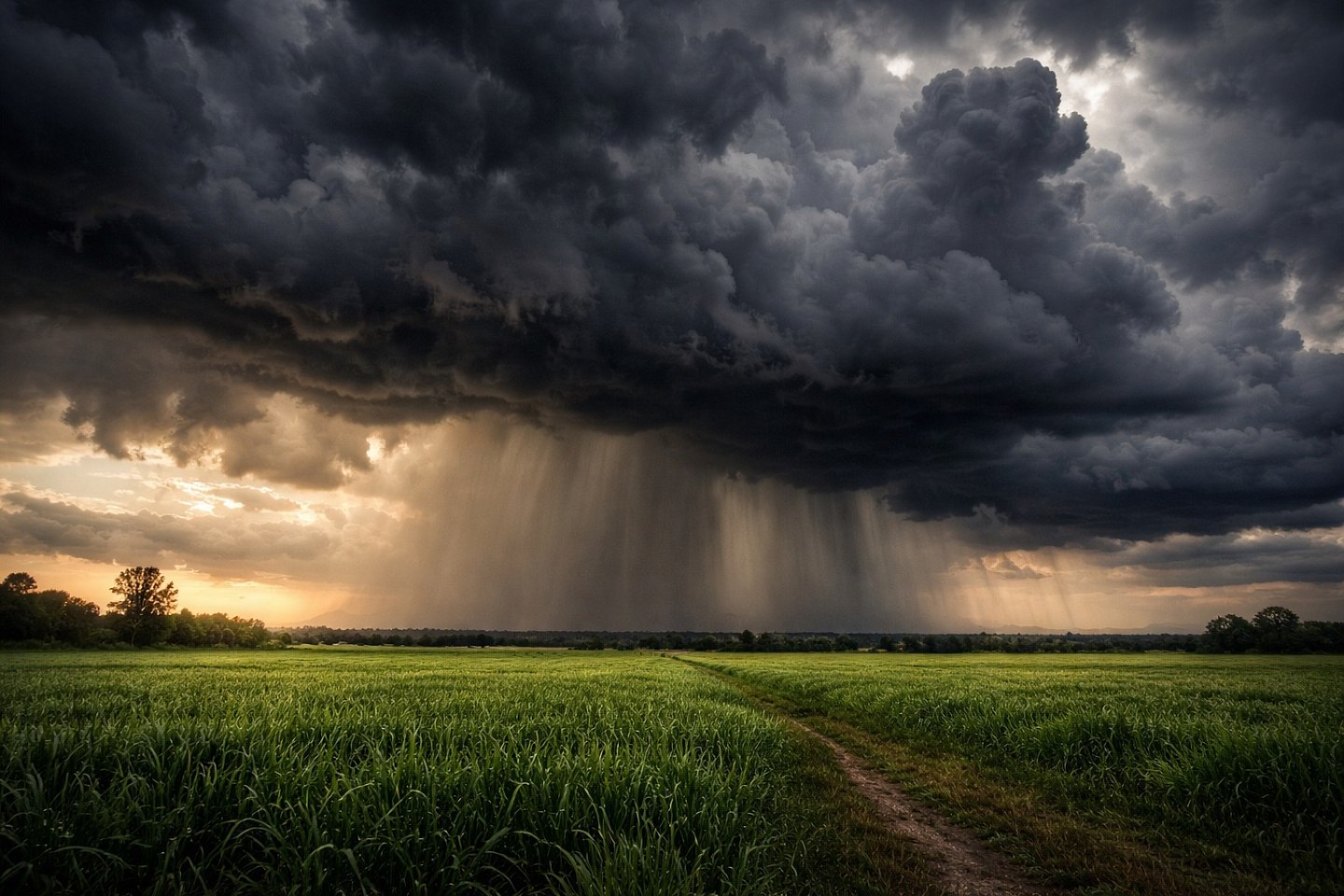
The cold front continues to operate in the South region this Friday (3), maintaining the alert for storms in important soybean-producing areas in the north of Rio Grande do Sul, Santa Catarina and Paraná. The forecast indicates heavy rain, intense gusts of wind and the possibility of hail.
The greatest risk is concentrated in the northwest and north of Rio Grande do Sul, where accumulated rain could cause rivers to overflow. The tendency is for rainfall to begin to lose strength in the southern half of the state from this Saturday (4).
Meanwhile, the Southeast and Central-West regions remain under the influence of a mass of dry air, keeping the weather firm, hot and with low humidity. The cold is expected to advance towards the Southeast over the weekend, but no frost is expected.
- Stay up to date with the main news about soy: access the Soja Brasil community on WhatsApp!
In the South, temperatures remain low. This Friday (3), thermometers may approach 0°C in low-lying areas of Rio Grande do Sul. Cloudiness reduces the potential for wider frosts, although the cold remains intense.
The polar air mass continues to influence the South region and maintains favorable conditions for frost, especially in the highest areas of Rio Grande do Sul and Santa Catarina. There is also a possibility of snow in the mountains of Rio Grande do Sul and Santa Catarina.
In the rest of the country, the rain remains concentrated mainly in Roraima. According to the forecast, the biggest changes in the rainfall pattern should only occur in the second half of July.
The post Risk of snow and overflows mark the beginning of July; check the weather forecast appeared first on Canal Rural.
Source: Canal Rural
This story was originally published by Canal Rural. Visit the original publication for further details.
Open original publication
