With the possibility of a strong El Niño from the 2nd semester onwards – added to the impact of climate change – there is a growing fear that a climate tragedy like the one that hit almost all of Rio Grande do Sul in May 2024 will be repeated. Even more so because an unprecedented study by IBGE shows that the state has not yet recovered from what happened more than two years ago.
Climate tragedy of 2024 affected more than 6 million people in RS
With the possibility of a strong El Niño from the 2nd semester onwards – added to the impact of climate change – there is a growing fear that a climate tragedy like the one that hit almost all of Rio Grande do Sul in...
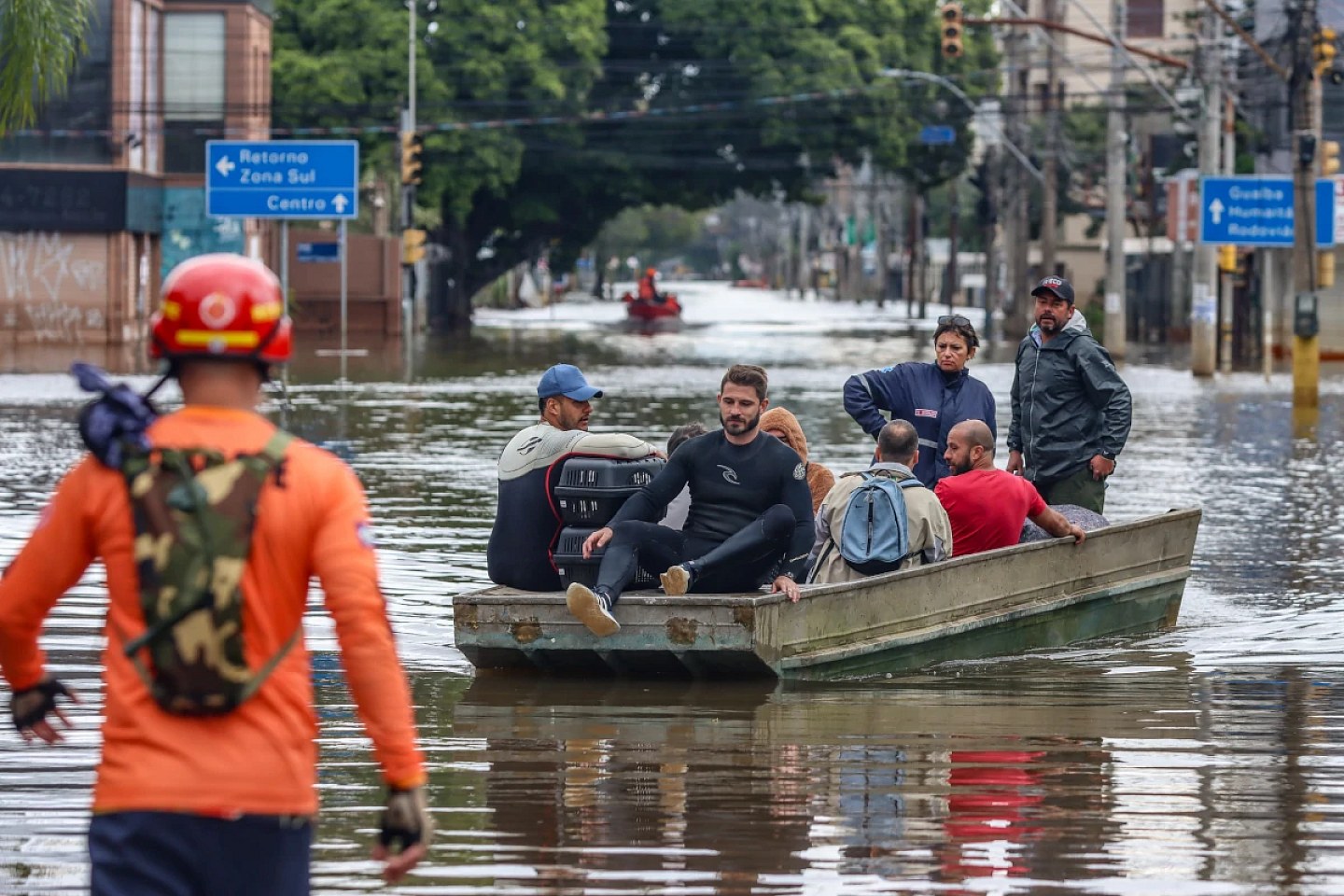
The Special Survey on the 2024 Floods in Rio Grande do Sul (PEERS) was released on Wednesday (1/7). Data collection was carried out by the institute between September 2025 and February 2026, in 133 municipalities in Rio Grande do Sul. The climate disaster killed 185 people and left 23 missing.
PEERS estimates that 6.3 million people from Rio Grande do Sul were affected by the heavy rains of May 2024 – more than half of the state's population at the time. Furthermore, the total number of households in the areas most affected by the floods is estimated at 2.3 million, reports CNN Brasil.
According to the research, just over 349,000 people changed their address because of the floods – equivalent to the entire population of Vitória, the capital of Espírito Santo. Among those interviewed, 25% said they now live in homes with worse conditions than in May 2024. For 18%, housing conditions have improved, while 57% said they are in homes similar to those they lost.
Surprising zero people, the data confirms that the poorest were the hardest hit: structural damage to homes was more frequent in the population that earns up to R$2,000. Although households with this income level represent 24.6% of the total survey, 31.4% of those had property damage, explains Matinal.
Two out of every three people from Rio Grande do Sul reported a deterioration in their mental health due to the floods. And six out of 10 pointed to interruptions in social life and family life as a result of the climate tragedy.
According to IBGE, more than half (55.5%) of residents assessed some type of damage to the structure of their homes after the floods. Furthermore, the vast majority (88%) of households experienced incidents caused by the climate disaster, mainly interruptions in the supply of water and electricity (both 66.3%), reports Sul21.
Interviewed by Folha in 2024, family farmer Fabio Scheibel, aged 43, still feels the losses of the climate tragedy. With the destruction caused by the flood of the Taquari River, he had to leave his home in the rural area of ??Cruzeiro do Sul, around 120 km from Porto Alegre. Two years later, he is living with his family in a property provided by his in-laws. To save money, he cut expenses on health plans.
The farmer managed to resume vegetable production with 30% of what was grown on his property before the tragedy. He is still waiting for improvements to the road that takes him to his work location. "We are moving forward, perhaps not in the way we expected at the beginning. The steps are slow. We are rebuilding things slowly."
More than numbers and percentages, the main portrait obtained with PEERS is the report of the impacts of the climate disaster through the eyes of the people who experienced it firsthand. "The research included direct interviews with the population, which had never happened until then. The residents of the homes themselves were interviewed and the sample design ensured that those who were located in the areas most affected by the rains were included. They addressed what happened during the period, from the physical impacts on their homes and surroundings and evacuation, to the impacts on personal life; they mentioned health and medical care during the floods, for example; working and study conditions, to the assessment of quality of life post-disaster”, explained the deputy manager of Social Studies and Research at IBGE, Juliana Paiva.
The research was also reported by GZH, g1, Canal Rural, Valor, O Globo, CBN, Poder 360, O Sul, Metrópoles, Correio Braziliense and Carta Capital.
Source: ClimaInfo
This story was originally published by ClimaInfo. Visit the original publication for further details.
Open original publication
