At least seven state courts circumvented the decision of the STF (Supreme Federal Court) that restricted the penduricalhos and paid judges salaries above the limits established by the court.
TJs fail to comply with decision on pendulicamentos; MT is not part of the list
At least seven state courts circumvented the decision of the STF (Supreme Federal Court) that restricted the penduricalhos and paid judges salaries above the limits established by the court. The non-compliance occurred...
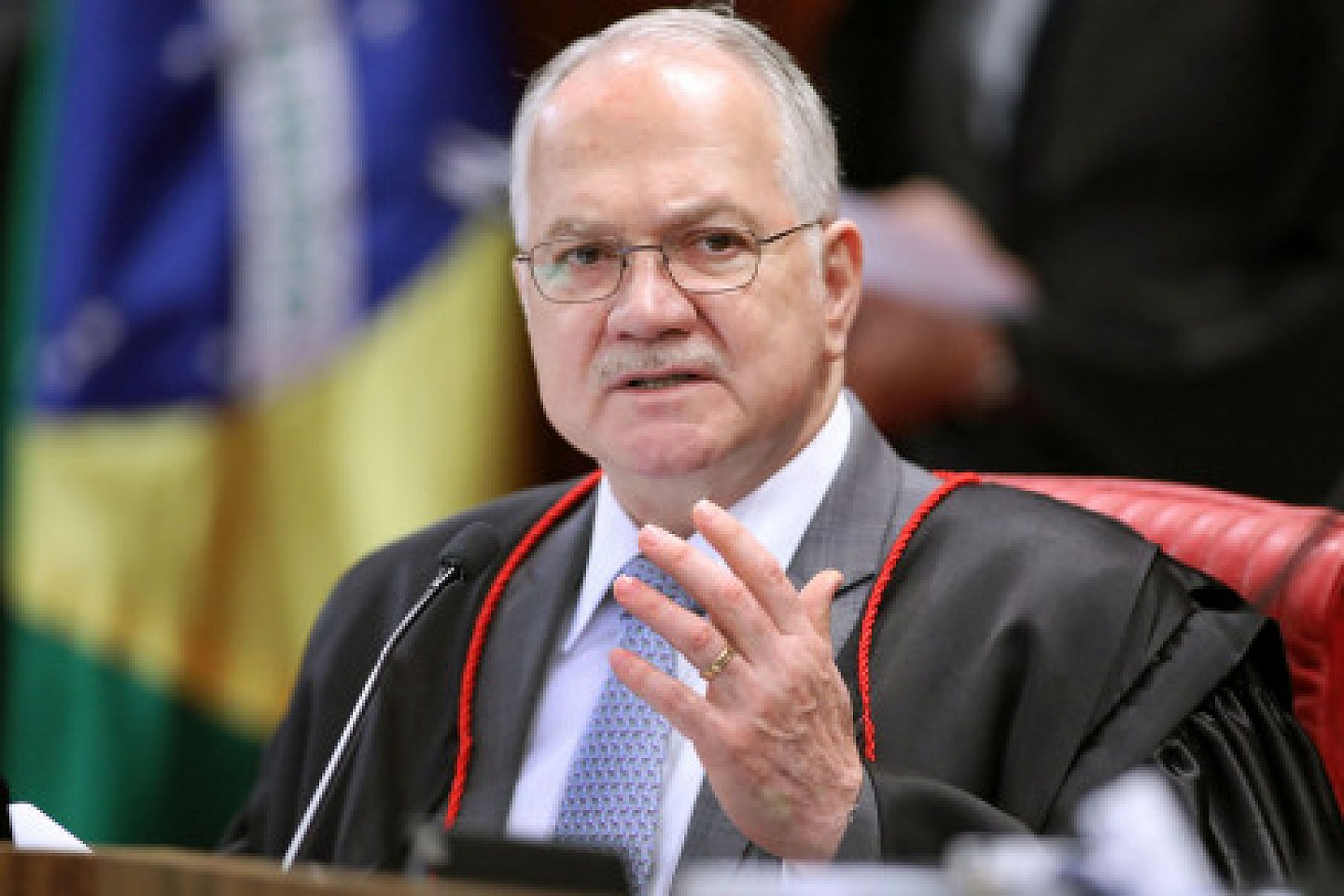

The non-compliance occurred based on a resolution by the CNMP (National Council of the Public Ministry) and the CNJ (National Council of Justice), control bodies of the Judiciary and the Public Ministry.
In May, 616 judges and judges received salaries that exceed the constitutional ceiling, of R$46,400, with figures reaching up to R$495,000 in the month.
That month, a STF decision was in force that prohibited extras such as food assistance, housing and compensation for collections and created a new limit for salaries. According to the court's rule, salaries could reach a maximum of R$78,800, under certain conditions.
The dribble in the Supreme Court's decision occurred, according to the courts, following a joint administrative decision by the CNMP and the CNJ – a body commanded by Minister Edson Fachin, who also presides over the STF. The resolution, approved unanimously in April, recreated part of the extinct penduricalhos and opened loopholes for funds to exceed the limit established by the Supreme Court.
From the list of 11 items, the only benefits that have an explicit limit set out in the resolution are the bonus for accumulating functions and for working in difficult-to-serve districts. Together, these benefits cannot exceed 35% of the judge's allowance.
Portions extinguished in the STF's March decision were replaced by other funds in the joint resolution. Preschool assistance, for example, has become a “bonus for the protection of early childhood and motherhood”.
In March, the STF prohibited certain frills, but maintained others, such as daily allowances, allowances in case of promotion and retroactive amounts recognized by a judicial or administrative decision prior to February 2026. The requirement is that these compensation funds cannot exceed the ceiling of 35% of the judge's basic salary.
The STF also established that judges and judges have the right to receive an additional payment for length of service for every five years of experience, known as a five-year period. This amount is subject to another ceiling, also 35% of the judge's salary. Thus, magistrates who are entitled to compensation and the five-year period may receive an additional amount equivalent to up to 70% of their salary.
On Tuesday (30), the STF concluded the judgment on the issue and released some of the previously prohibited restrictions, such as the conversion into cash — the possibility of receiving in cash — up to 30 days of judicial shifts, whose compensation days were not used due to lack of permission from the court. The new understanding raises the salary limit.
Payments made to the courts in May, however, were still subject to the March rules. Folha analyzed data from eight state courts, as they are the only ones that sent complete data to the CNJ remuneration panel. Only in the Pernambuco court were no super salaries identified.
In the Courts of Justice of Goiás, Distrito Federal, Maranhão, Paraná, Rio de Janeiro, Rio Grande do Norte and Rondônia, salaries were recorded above the limit created by the Supreme Court. In total, 1 in every 10 payments in the month of May exceeds the ceiling and the 70% rule stipulated by the Supreme Court.
In separate notes, six courts state that the payments comply with what is stipulated in the joint resolution and the STF thesis. The only one that did not respond to the report was TJ-PR, which was contacted by email on June 9.
The CNJ, in turn, states that the resolution follows the determination of the STF and the limits for compensation funds. The internal affairs department monitors compliance with the decision and determines the application of possible sanctions, according to the council.
STF ministers Flávio Dino, Gilmar Mendes, Alexandre de Moraes and Cristiano Zanin warned in orders that the creation and payment of frills that are not authorized by the court's thesis on super salaries are “absolutely prohibited”.
The reasons that led the courts to exceed the payment of salaries are varied. In Goiás, the court paid advances on the 13th salary to judges who were in their birthday month. In Rio de Janeiro, this installment was also paid in advance. There are also cases of judges who received the constitutional third of vacation.
Both the third and the 13th are allowed to exceed the 35% limit and, therefore, were not included in this estimate.
According to the Supreme Court's thesis, vacation compensation and bonuses for cumulative exercise cannot exceed 35% of the judge's monthly salary. In other words, if the judge's basic salary is higher, the ceiling on additional payments will be higher.
The highest amount received by a single person was in the Federal District, where a judge earned R$495,000 after retiring. The salary was boosted by funds relating to compensation for unused vacations.
The STF decision establishes the 35% limit for vacations, but not the joint resolution of the CNJ and the CNMP. The document only indicates that magistrates would be entitled to only 30 days of compensation. The lack of clarity opens up an opportunity for judges to use the decision in their favor.
Next is a judge from Maranhão, who received a salary of R$272,000 in May. The figure was also boosted by vacation compensation and other unspecified compensation funds.
The court with the highest percentage of judges earning above the limits was that of Rondônia, where 38.8% earned some amount that exceeds the STF rules. The highest salary was R$72 thousand. As this court does not pay the so-called five-year period, the maximum that a judge could receive would be R$62,000, the equivalent of paying the salary cap (R$46,000) — if the judge already receives this level — plus 35% of that amount (R$16,240).
Two courts paid the five-year period and could then pay salaries of up to R$78,800: in Rio de Janeiro and the Federal District.
For Vera Monteiro, professor of administrative law at FGV (Fundação Getúlio Vargas), conflicts of interpretation show a power struggle between the courts.
“[Courts] have exaggerated, mistaken interpretations, in their own favor”, says the professor. "It's a looting of public assets. They see the situation getting tighter, that control is beginning to arrive in some way and they want to take advantage."
On February 6, Minister Dino gave a period of two months for all bodies to review funds paid and suspend those without legal basis. Only compensation installments already provided for by law could be outside the ceiling.
On February 26, Minister Gilmar released, for 45 days, the payment of retroactive payments recognized administratively and already scheduled for the period.
Furthermore, in April, the CNJ unanimously approved the regulation of the limit on hanging items for members of the Judiciary. However, the document recreated a series of benefits that had been extinguished in the STF's thesis, in addition to allowing part of the additional benefits to be outside the 35% limit, contrary to what the Supreme Court predicted. The resolution was signed by the president of the STF, Edson Fachin.
Source:
Nortão News