With the arrival of winter, cold and dry air begin to challenge skin health. Although hydration and protection are important for everyone, black skin has its own characteristics that require special attention during the season. For dermatologist Cauê Cedar, specialist in Black Skin at the Professor Rubem David Azulay Institute of Dermatology (RJ), winter requires a more rigorous skin care routine to prevent dryness, irritation and the appearance of blemishes on the skin.
Black skin requires attention in winter to avoid dryness and blemishes
With the arrival of winter, cold and dry air begin to challenge skin health. Although hydration and protection are important for everyone, black skin has its own characteristics that require special attention during the...
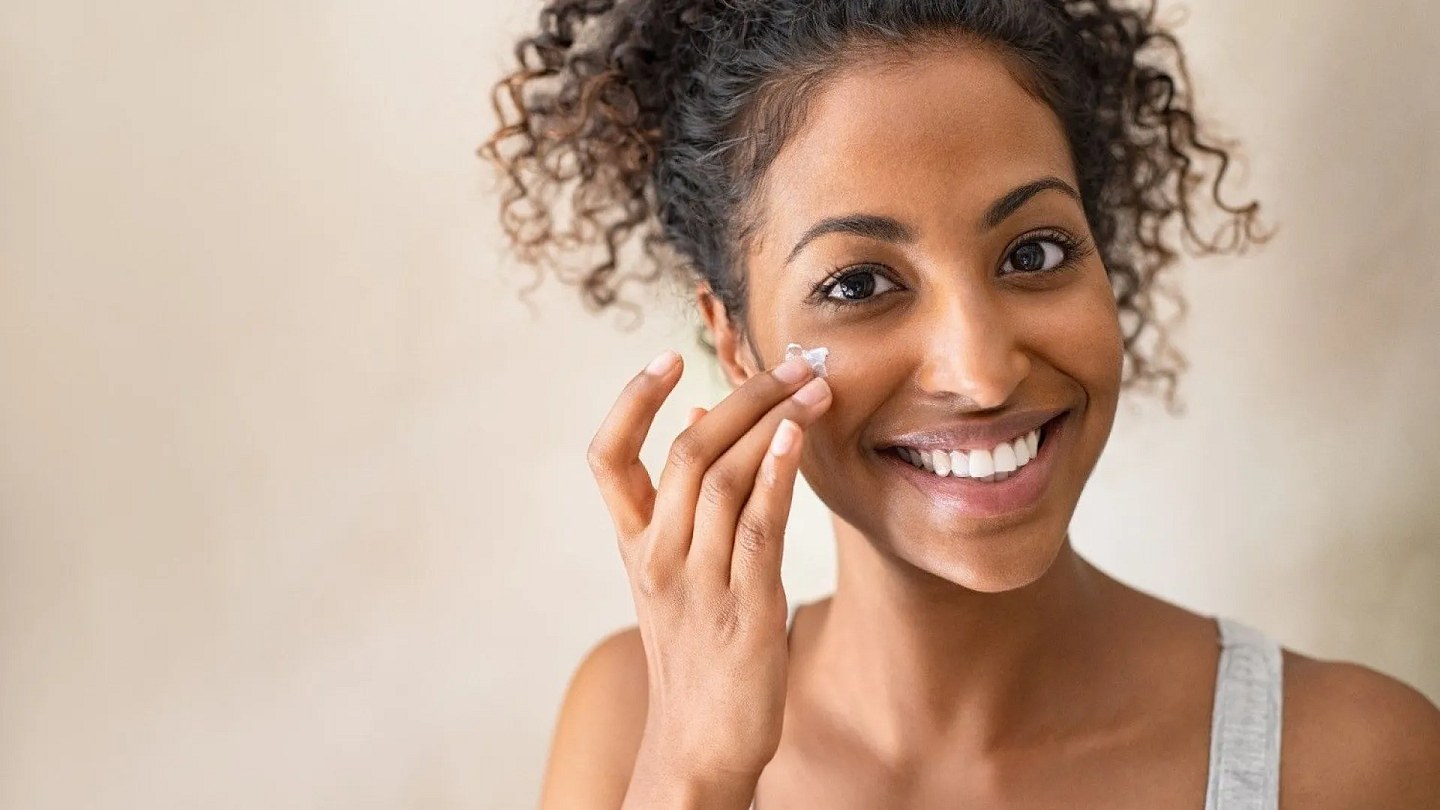

According to Cedar, low temperatures and reduced air humidity compromise the skin's protective barrier by reducing the activity of the sebaceous glands and accelerating the loss of water into the environment. On black skin, the effects of dryness tend to be more noticeable, often manifesting itself through a grayish and opaque appearance, characteristic of a lack of hydration.
"Any irritation, itching or dryness can leave residual dark spots, which often remain for months. Therefore, it is essential to quickly treat any skin changes during the winter", he explains.
Also according to Cauê, studies show that black skin has a skin barrier that is naturally less efficient at retaining water, due to the lower amount of ceramides — substances responsible for maintaining hydration and protecting its outermost layer. Furthermore, the peeling process occurs differently, making the dryness more visible and giving it an opaque or whitish appearance.
Among the main factors that harm it during the season are dry air, a decrease in natural oil and exposure to wind, which accelerate water evaporation and weaken the protective barrier.
To minimize the effects of winter, Cedar recommends a simple but consistent routine. Before leaving home, it is important to gently cleanse, apply facial and body moisturizer, and use sunscreen daily, even on cold or cloudy days. Upon returning, the advice is to avoid very hot baths and reapply the moisturizer.
Hot baths, in fact, are among the main villains of the season. According to the expert, water at high temperatures removes the lipids responsible for keeping it protected and hydrated. “In black skin, which already has less ceramides naturally, this effect tends to be even more noticeable”, he states. The ideal is to opt for warm baths, lasting five to ten minutes, applying moisturizer immediately after.
Diet is another factor that can contribute to skin health. The dermatologist highlights the importance of consuming foods rich in omega-3 and vitamins A and C, while excess sugar, alcoholic beverages and ultra-processed products should be avoided as they promote inflammatory processes.
Another point of attention is the lips, as they do not have sebaceous glands and, therefore, dry out more easily. Frequent use of lip moisturizer, application of specific sunscreen for the region and avoiding the habit of licking or removing loose skin will help prevent cracks and wounds.
Although men and women have different physiological characteristics, the expert emphasizes that both need to maintain regular care during the winter.
"Behaviorally, men historically use fewer products and cleanse more aggressively (bar soap, hotter showers) — a habit that worsens dryness in winter. Women use more makeup, which requires double cleansing, but they also tend to have a more established hydration routine. It's not that one sex needs more care than the other. The points of attention are just different, but hydration and skin protection are fundamental for everyone", he concludes.
Following Cauê Cedar's instructions, and with an adequate routine of hydration, sun protection and healthy habits, it is possible to get through the colder months while preserving the health, luminosity and integrity of black skin.
Read Also: Is storing medicines in the bathroom a good idea? Pharmacist explains
Source:
Noticias ao Minuto - Lifestyle