On vacation, many children encounter their first screen even before breakfast. The cartoon on television moves to the cell phone, the cell phone gives way to video games and, before the family realizes, a good part of the day was spent just a few centimeters away.
School holidays increase screen time: pediatric ophthalmologist explains the limits for each age
On vacation, many children encounter their first screen even before breakfast. The cartoon on television moves to the cell phone, the cell phone gives way to video games and, before the family realizes, a good part of...
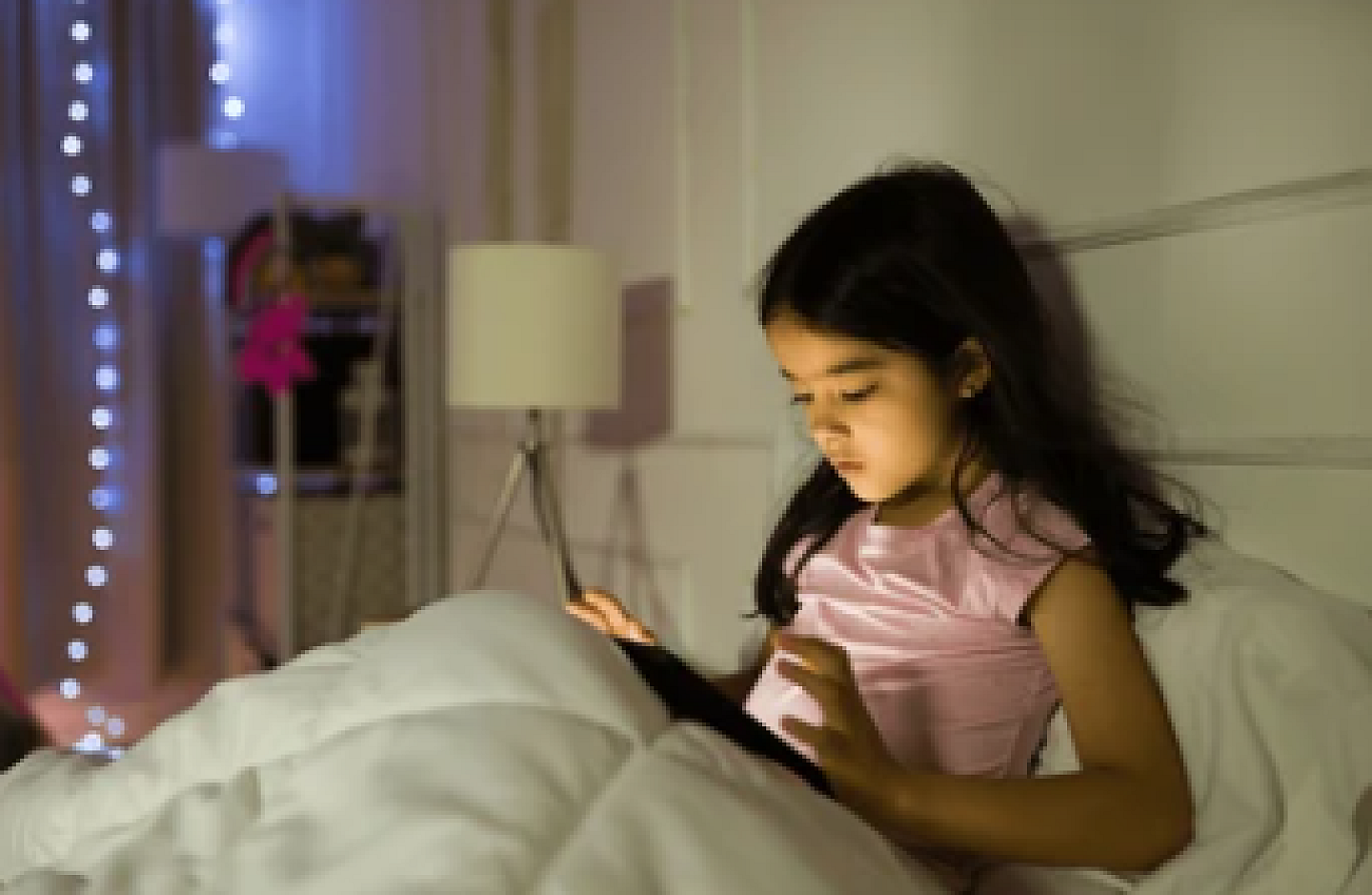

The absence of a school routine helps explain this change. The children stay at home, but the adults' commitments continue. Between work, household chores and the lack of a support network, devices end up helping to fill free time.
For pediatric ophthalmologist and strabismus specialist Dr. Giovanna Marchezine, technology, in itself, is not the problem. It has fun, brings friends and family together and can contribute to learning. The warning sign appears when the screen stops being one of the vacation activities and starts to occupy almost all the available space.
"The screen is not the enemy. The problem begins when it becomes the child's only leisure option," says strabismus specialist, Marchezine.
For the doctor, more important than just observing the number of hours is realizing what is being left out. Sleep, play, movement, family life and outdoor activities should not disappear from the routine to make room for the continued use of devices.
"On vacation, the screen starts to compete for space with important childhood experiences. Children need time to run, play, talk, look into the distance and explore other environments," he points out.
When the eyes start to feel
Cell phones and tablets keep your eyes focused at a very close distance. When involved in a game or a sequence of videos, the child also tends to blink less and may remain in the same position for long periods.
At the end of the day, this effort can manifest itself through burning, dryness, tearing, blurred vision, a feeling of heaviness in the eyes and headache.
However, the child is not always able to explain the discomfort.
"A young child is unlikely to say that they have visual fatigue. They often show this by rubbing their eyes, becoming irritated, losing concentration or bringing their face even closer to the screen," explains the doctor.
Behavior can also reveal changes that are not only related to exposure time.
Squinting your eyes to see, tilting your head, covering one of your eyes, getting too close to the television or having frequent headaches are signs that deserve evaluation.
"Not every visual complaint should be automatically attributed to the cell phone. Increased use can only make a difficulty that already existed more evident. When symptoms are frequent, it is important for parents or guardians to investigate," he warns.
Screen limit by age group
Under 2 years old
Exposure should be avoided. At this stage, the child develops mainly through interaction with adults, movements and exploration of the environment.
From 2 to 5 years old
Up to one hour per day, preferably with adult supervision and age-appropriate content.
From 6 to 10 years old
Between one and two hours a day, with supervision by those responsible and breaks during use.
From 11 to 18 years old
Between two and three hours a day for recreational activities, avoiding use during the early hours of the morning.
"Just because there is a limit of one hour does not mean that the child needs to use that hour every day. And it is also not appropriate to concentrate the entire period at once. The younger the child, the greater the adult supervision should be - advises the pediatric ophthalmologist.
You also need to consider the purpose of use. A video call with grandparents, a school activity and two hours of alternating short videos don't produce exactly the same experience. Content, context, follow-through and frequency also matter.
Breaks and off-screen activities
During the holiday period, limits work best when they don't just appear as prohibitions. Instead of removing the device suddenly, those responsible can establish times for use and notify when the time is close to the end.
Creating breaks throughout the day also helps to stop continuous eye strain. The child can get up, walk, drink water or look out the window to direct vision to a greater distance.
“Pause doesn’t have to be a complicated rule. The most important thing is to prevent the child from looking closely for hours at a time, without changing position or resting their eyes,” explains the doctor.
The distance from the device, lighting and posture also make a difference. The cell phone should not remain excessively close to the face, and prolonged use in dark environments may increase discomfort. During meals and close to bedtime, devices should also lose space.
Offscreen, there's no need to create an expensive schedule or fill every minute of your vacation. A trip to the square, a walk, a bike ride or a game in the backyard can help change your visual routine. At home, drawing, assembling toys, preparing a recipe or creating stories are also alternatives. Even moments of boredom can encourage children to imagine new ways of playing.
“When there is only an order to turn off the cell phone, the child sees a prohibition. When there is an invitation to another activity, she realizes that there are different ways to make the most of her time,” notes Giovanna.
The example of adults also participates in this construction. Meals and family moments in which everyone puts their devices aside tend to produce more results than rules aimed only at children.
For the expert, it's not about organizing a perfect vacation or completely keeping children away from technology. The proposal is to prevent all period experiences from being replaced by a single form of entertainment.
“The problem is not that the child looks at a screen at times. It’s spending so much time in front of it that you stop looking at the world,” he concludes.
Source:
Nortão News