ANDRÉ BORGESBRASÍLIA, DF (FOLHAPRESS) - Ibama (Brazilian Institute of the Environment and Renewable Natural Resources) approved a request made by the concessionaire Norte Energia, owner of the Belo Monte hydroelectric plant, in Pará, to reduce to the minimum possible the release of water that flows through the stretch of the Xingu river diverted by the plant, a 100-kilometer long route that has suffered for years from the impacts caused by the dam.
With El Niño, Ibama authorizes reduction of water flow in Belo Monte to a minimum level
ANDRÉ BORGESBRASÍLIA, DF (FOLHAPRESS) - Ibama (Brazilian Institute of the Environment and Renewable Natural Resources) approved a request made by the concessionaire Norte Energia, owner of the Belo Monte hydroelectric...
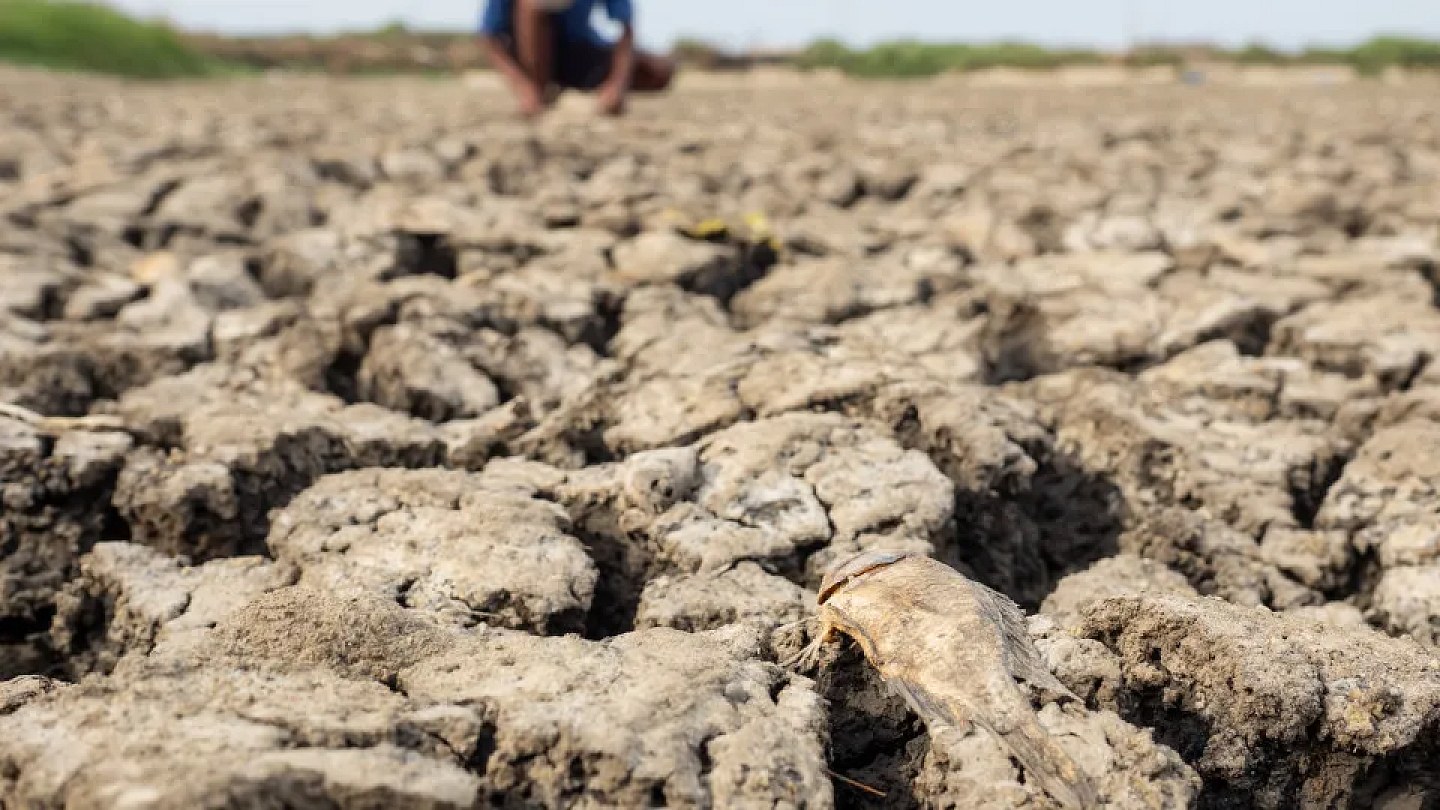
According to information obtained by Folha, the company's claim was accompanied by a request from the MME (Ministry of Mines and Energy). With the support of the ministry, Norte Energia asked Ibama to authorize the reduction of the minimum flow of its intermediate reservoir from 300 m³/s (cubic meters per second) to 100 m³/s, to avoid the reduction of the reservoir and other risks caused by drought that may be caused by the El Niño phenomenon.
This reduction directly affects the life cycle of the river and thousands of people who live along an area known as Volta Grande do Xingu, in the Altamira region.
In the request made in July, the company requested that the change be in effect between August 9 and November 30, 2026, a period considered the driest. The purpose of retaining water at the plant is to guarantee more volume to generate energy.
Questioned by Folha, the federal agency linked to the Ministry of the Environment confirmed that it authorized the reduction. "Ibama concluded the analysis of Norte Energia's request and expressed its favor to the temporary flexibility of the flow derived from the intermediate reservoir of the UHE (hydroelectric plant) Belo Monte, given the critical hydroclimatic scenario predicted for 2026", he declared.
The agency said that the measure foresees tests with intermediate flows this month and a reduction from 300 m³/s to 100 m³/s from September to November.
"The flexibility is conditioned on compliance with socio-environmental measures, including the reinforcement of monitoring of water quality, ichthyofauna and aquatic macrophytes; the prioritization of the minimum flows of the Reduced Flow Section; the sending of fortnightly reports; and the presentation of a consolidated assessment at the end of the period", said Ibama, adding that the company was informed of the decision on July 30.
The reduction of water in the Xingu is one of the most sensitive environmental discussions involving Belo Monte. In 2024, during one of the most severe droughts recorded in the Amazon, Ibama authorized, on an emergency basis, that this flow reduction be carried out for 71 days.
In 2025, however, the federal agency's own technicians understood that the studies produced to make the restriction were not sufficient to repeat the measure and recommended maintaining the normal operating rule, with 300 m³/s. Now, with the confirmation of El Niño and the forecast of a new period of water scarcity, Norte Energia managed to convince the environmental agency that it brought new and sufficient technical data to achieve new flexibility.
Belo Monte is the largest entirely Brazilian hydroelectric plant and one of the largest in the world. Installed on the Xingu River, in Pará, it operates with a different operating model than traditional hydroelectric plants.
Much of the river's water is diverted into a roughly 30-kilometer artificial canal, which powers the plant's larger turbines. As a result, a natural stretch of the river was diverted by another dam, and began to receive much less water than before the dam was built.
It is in this region that indigenous, riverside and fishermen communities live and depend directly on the river for transport and food.
Since the plant's entry into operation, Volta Grande has become one of the main sources of environmental conflicts in the project. The reduction in flow altered the natural regime of the river, affecting fish breeding areas, navigation, and the dynamics of life in the river.
When analyzing the results of the 2024 flow reduction, Ibama identified problems such as low oxygen concentration in deeper layers of the reservoir, a phenomenon that was not predicted. The analyzes also highlighted flaws in monitoring aquatic plants and difficulties in verifying the influence of flow reduction on these situations.
Norte Energia says it has reformulated its monitoring plan for 2026, with daily monitoring of water quality in real time through vessels, laboratory analyzes every 15 days and definition of triggers that would require the immediate return of the flow to 300 m³/s if environmental impacts were detected.
In a note, Norte Energia declared that the reduction "aims to mitigate the possible impacts of the El Niño phenomenon in the region, in order to contribute to maintaining the plant's operational condition, navigability and protection of fauna in a scenario of water scarcity."
For Thais Santi, attorney at the Federal Public Ministry who is following the matter, the decision leaves aside the need to adopt a more consolidated water regime on the Xingu, the so-called "hydrogram".
"We identified a worrying situation. On the one hand, the environmental agency determines the operation of a hydrograph that ensures the reproduction of ecosystems in the Volta Grande do Xingu. On the other, and far from it, the plant was not designed considering the lower water availability in extreme events associated with climate change", he said.
According to Santi, the cascading socio-environmental impacts resulting from the reduction in the flow diverted to the canal below the minimum design are of concern, especially in terms of environmental safety and the quality of the water that supplies hundreds of riverside families.
The MME declared, in a note, that "it considers it necessary to temporarily relax the operating rules of HPP Belo Monte given the importance of its generation as a preparedness measure to combat the effects of the El Niño climate phenomenon, in particular its generation to meet the peak load of the National Interconnected System (SIN)".
By preserving the level of the plant's reservoir, said the ministry, "the cap
Source: Noticias ao Minuto
Next recommended read
This story was originally published by Noticias ao Minuto. Visit the original publication for further details.
Open original publication