IGOR GIELOWSÃO PAULO, SP (FOLHAPRESS) - Ukraine's campaign of attacks against Russia's energy and logistics system led to an unprecedented drop in approval of the war launched by Vladimir Putin in 2022 against its neighbor. The invasion is supported by 66% of Russians, compared to 23% who reject it.
Ukraine attacks bring support for war to lowest level in Russia
IGOR GIELOWSÃO PAULO, SP (FOLHAPRESS) - Ukraine's campaign of attacks against Russia's energy and logistics system led to an unprecedented drop in approval of the war launched by Vladimir Putin in 2022 against its...
It is still an expressive number, of course, but, in May, the share of those who supported the actions of the Armed Forces in Ukraine was 74%. It reached 80% on three occasions, March 2022, February and March 2025.
The data comes from Russia's main independent research institute, the Levada Center, which is subject to Kremlin sanctions. The survey interviewed 1,612 people in person in 137 cities, from July 21 to 28, and was released this week. The margin of error is plus or minus two points.
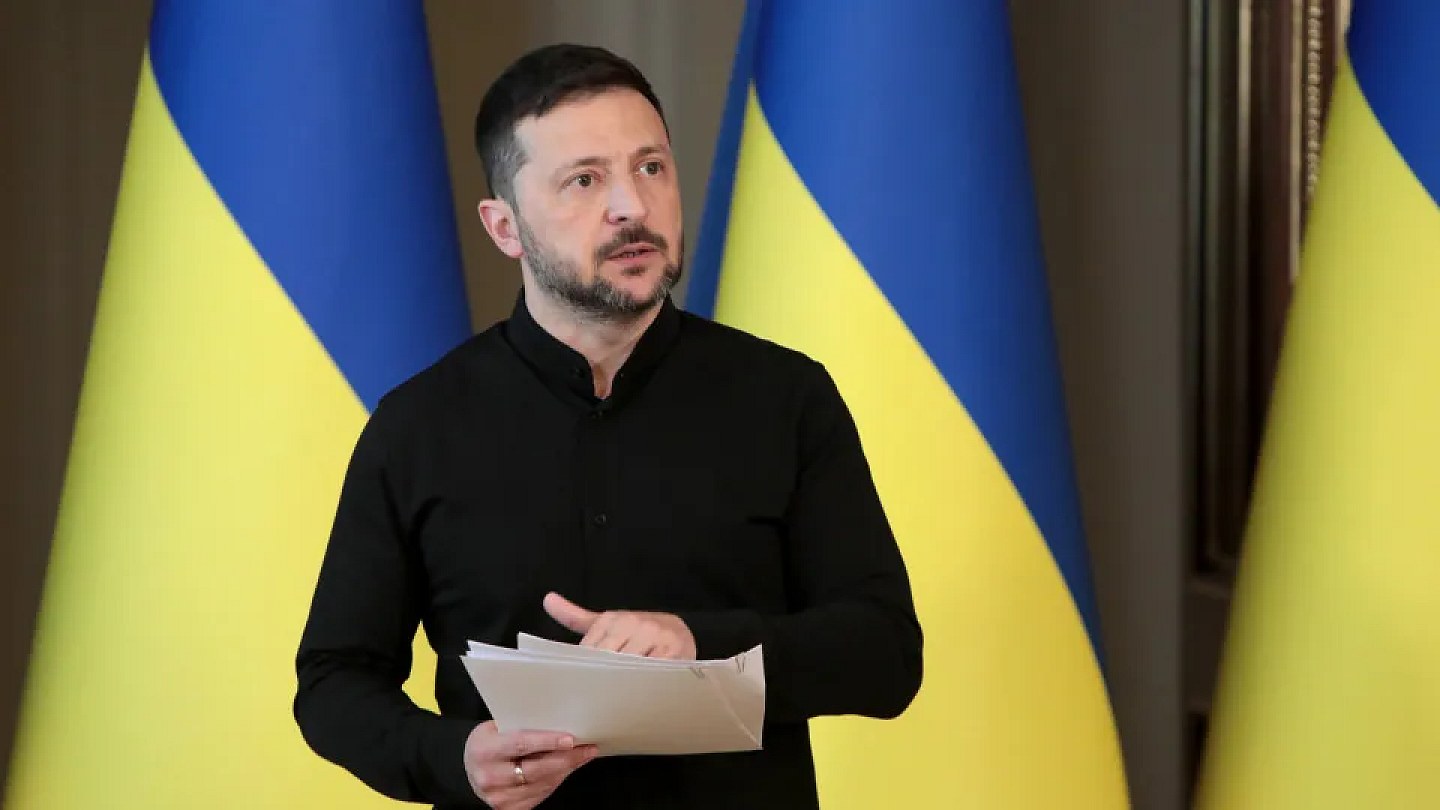
The lowest point so far had been on February 27, 2022, four days after the invasion: 68%. But there the methodology was not comparable, given that the survey was carried out in one day by telephone, with a smaller sample. Starting in May, President Volodimir Zelenski said he would take "the war to the Russians' home" after gaining access to domestically manufactured long-range missiles and more drones capable of hitting targets more than 2,000 km away.
As a result, images of refineries catching fire, bulk carriers being attacked in the Black Sea and, as of July 18, warehouses of online commerce giant Wildberries becoming the target of drones became almost daily. In January, 7.1 civilians died in the war, 1 of them in Russia; in July, there were 21, the highest number since the first month of the conflict. Of these, 2 were Russians.
"No one is happy. As we know, those who go to war are mostly people from poorer regions, who need the money from the contracts. But now it's difficult to fill the car's tank," wrote engineer Pavel in a text message, who asked not to reveal his last name.
He lives in Moscow, where queues at gas stations with reduced fuel quotas are part of the landscape. The situation improved after an inflationary run in mid-June, when a liter of AI-95 gasoline, the most common, jumped from 70 rubles (R$4.3) to almost 95 rubles (R$5.9) in some private networks.
Now, there are still shortages, but the government has applied penalties and seen prices stabilize at around 75 rubles (R$4.6). Still, 13% of Russians cited the fuel crisis as the dominant issue of recent months, in an open and spontaneous question from Levada.
The item is second only to the attacks themselves, with 17% of citations. Just below come two other points linked to the war: the actions against Wildberries, the "Russian Amazon" widely used by the middle class, with 10%, and the military operation itself, with 7%. Only then do worldly issues arise, in this case the World Cup in which Russia was banned, with 4%.
For now, Putin's approval has been scratched by the crisis, without yet threatening the system of power he inherited from past tsars, maintaining imperial control over rival factions in government, industry and finance.
The president's approval rating reached 74% among Russians, an enviable mark in any Western country. But that number used to fluctuate from 80% to 90%, and in May it was at 79%.
Levada also reported other bad news for the Kremlin. Only 50% of Russians believe the war is a success, the official line. This index is 19 points below that recorded a year ago. 28% think it is a failure, 11 points more in the period.
On the other hand, the vision sold by the government about who is to blame for the conflict has adherence. For 32%, the European Union is responsible for the war, compared to 20% who point to Kiev and 19%, the United States. Only 10% cite Russia, which carried out the invasion.
For 62% of those heard, there should be peace negotiations. 28% prefer the war to intensify in search of victory. One thing the majority, 56%, do not want are concessions to the Ukrainians. A quarter of respondents said they agreed with this.
Source: Noticias ao Minuto
Next recommended read
This story was originally published by Noticias ao Minuto. Visit the original publication for further details.
Open original publication