The Maria da Penha Law, the main instrument to combat domestic and family violence against women in Brazil, revolutionized the treatment given to these crimes, which were previously often considered to have less offensive potential.
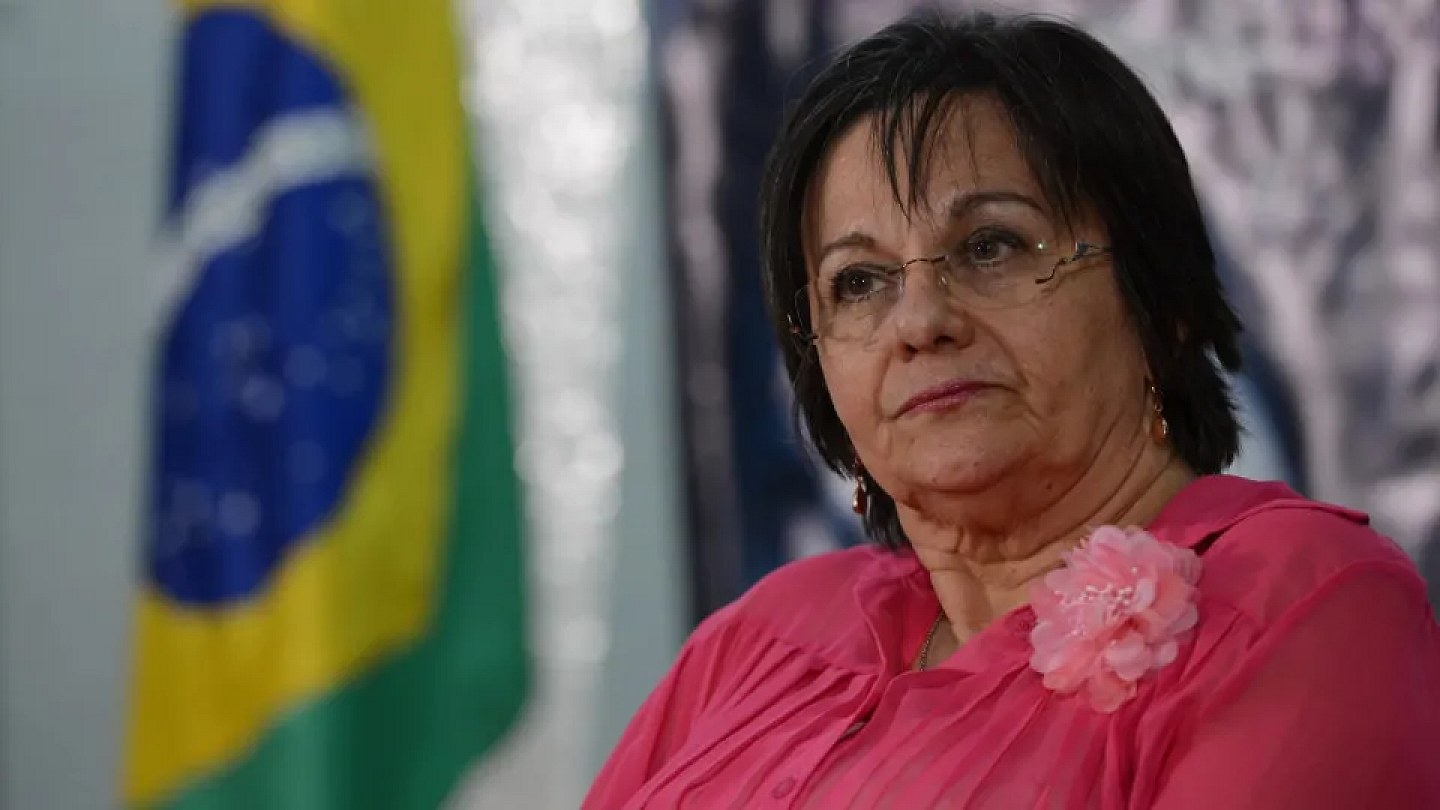
Maria da Penha Law turns 20 as a milestone in the fight against violence
The Maria da Penha Law, the main instrument to combat domestic and family violence against women in Brazil, revolutionized the treatment given to these crimes, which were previously often considered to have less...
Since then, the standard has undergone at least 18 changes approved by the National Congress.
Among the most significant advances is the creation of the crime of non-compliance with a protective measure in 2018.
Before this change, an aggressor who ignored a court order of removal and was not responsible for a specific crime.
Another relevant innovation came in 2019, when police chiefs and police officers began to be able to grant emergency protective measures in situations of imminent risk, especially in municipalities where there is no judge available at the time of the incident.
Experts, such as the social communications manager of Associação Fala Mulher, Carla Jara, highlight that the Maria da Penha Law has overcome its purely criminal nature, but recognize that the current scenario still imposes major obstacles:
"The protection network has evolved a lot in recent years, mainly with the expansion of specialized services. There has been greater coordination between public policies that are social assistance, health, security and justice. But there are still challenges that are important to address, such as the lack of services in some regions of Brazil and the delay in some services due to demand, mainly in the area of mental health.", he says.
In 2025, the Maria da Penha Law began to provide for the electronic monitoring of the aggressor through the use of an electronic ankle bracelet while carrying out protective measures.
Other changes include the creation of a National Registry of Those Convicted of Violence against Women and new concepts related to vicarious violence — when the aggressor uses children or family members to target the victim —, in addition to toughening the consequences for those convicted.
Domestic violence has several forms, but the phases of this cycle have a similar dynamic in most cases, as described by Rosana Pierucetti, lawyer and president of the NGO Recomeçar, which provides assistance to women, children and adolescents who are victims of violence:
"The main sign is social withdrawal, when a woman stops receiving visitors or talking freely with family and friends. Other warning signs include excessive control on the part of the partner, changes in the way she dresses, a drop in self-esteem, anxious or depressive behavior, as well as physical signs, such as the appearance of marks and lesions.", he says.
Two decades after its creation, the Maria da Penha Law continues to be considered one of the most important milestones in the defense of women's rights in the country, serving as an international reference in combating gender-based violence.
Source: Noticias ao Minuto
Next recommended read
This story was originally published by Noticias ao Minuto. Visit the original publication for further details.
Open original publication