Attacks between the United States and Iran continue more than a week after clashes resumed in the Strait of Hormuz region. This Thursday, Pakistan once again called for an end to the military escalation and the resumption of negotiations.
US and Iran intensify attacks in Strait of Hormuz region
Attacks between the United States and Iran continue more than a week after clashes resumed in the Strait of Hormuz region. This Thursday, Pakistan once again called for an end to the military escalation and the...
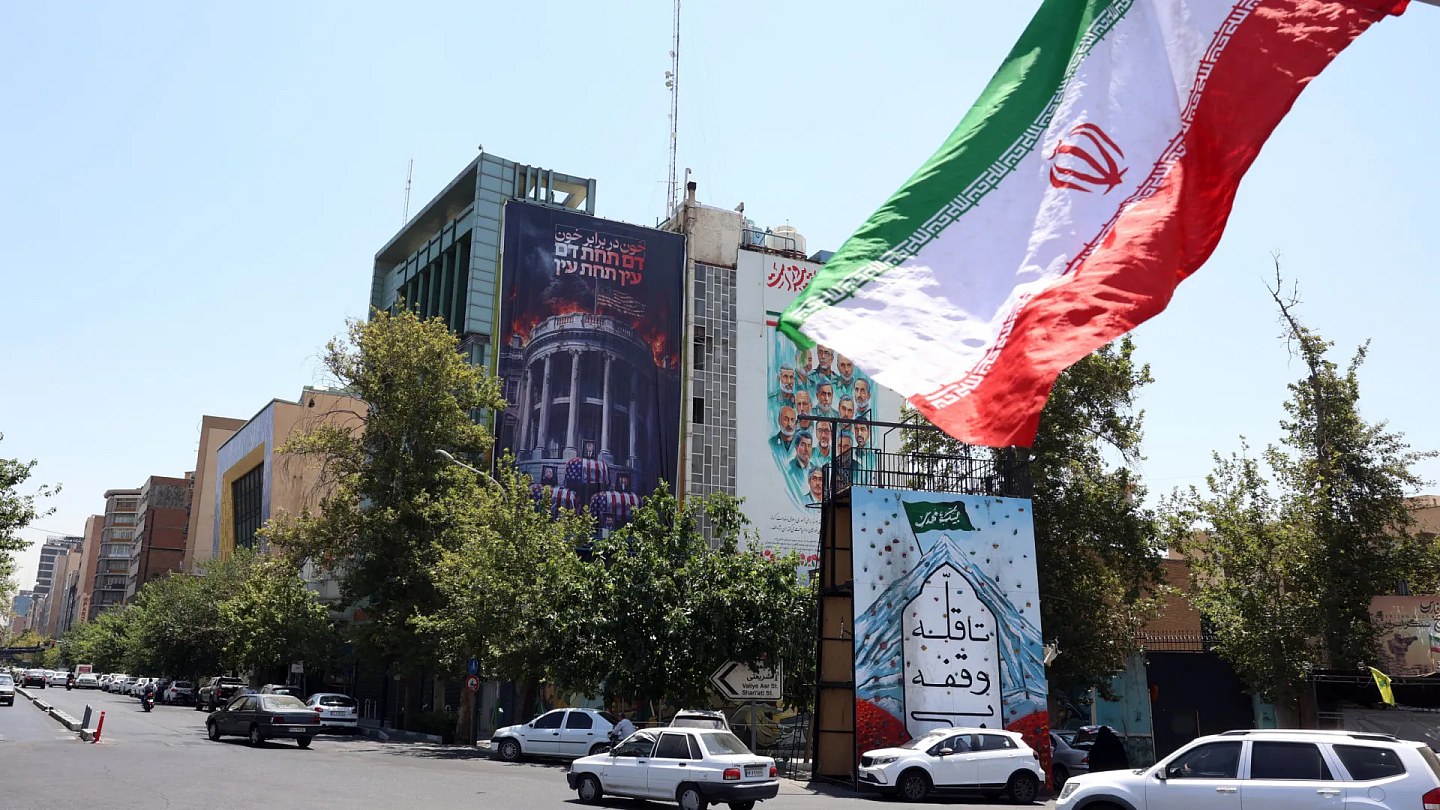
In the last 24 hours, American forces have carried out new waves of bombings against Iranian territory. Among the targets would be the island of Qeshm, located in the Strait of Hormuz, according to information released by the Iranian state press.
Tehran responded with attacks against countries in the region allied with Washington, repeating the dynamics observed in recent days.
Threats also continue on both sides. Although Gulf oil and gas facilities have not yet been hit, the Iranian government has warned that it could destroy infrastructure in the Middle East if its own complexes are attacked.
On Tuesday, United States President Donald Trump threatened to order bombings of bridges and power plants in Iran if the Iranian government does not agree to return to the negotiating table.
Clashes resumed on the 7th, after attacks on vessels in the Gulf attributed to Iran. Since then, bombings have reached the highest level of intensity since the ceasefire signed in April, weakening diplomatic attempts to find a lasting solution to the crisis.
The conflict began on February 28, after attacks by Israel and the United States. Since then, thousands of people have died, mainly in Iran and Lebanon, while the economic effects of the war continue to be felt in different parts of the world.
Pakistan, which acts as mediator, called on Washington and Tehran to “end the violence and resume negotiations.” The appeal is based on a memorandum of understanding signed in mid-June, but which was later deemed invalid.
The Pakistani government also defended the normalization of traffic in the Strait of Hormuz, closed again by Iran last weekend. In response, the United States reinstated the blockade on Iranian ports on Tuesday night.
Before the start of the war, about 20% of all oil and liquefied natural gas transported by sea in the world passed through the Strait of Hormuz. Vessel movement, however, fell significantly. On Tuesday, just 13 commercial ships were registered in the region, according to maritime monitoring firm Kpler.
The United States Armed Forces said it had attacked military installations used to threaten ships traveling through the strait.
Iran, however, accused Washington of also targeting civilian structures, such as Semnan airport, about 250 kilometers from Tehran.
A hospital in the city of Ahvaz had to be evacuated after American bombings nearby. Iranian authorities classified the action as a “barbaric attack”.
The country's state press also reported that explosions were recorded in coastal cities such as Bandar Abbas and Chabahar, as well as the island of Qeshm.
In Tehran, which has not yet been directly hit by the attacks, routine continues apparently as normal. During the night, however, anti-aircraft defense systems were activated on the outskirts of the capital.
Since the resumption of hostilities, more than 30 civilians have died, according to the most recent report released by the Iranian government. Seven soldiers were also killed.
Iran responded with drone strikes against Bahrain, Kuwait and Jordan.
Violence also reached Iraq. The country's prime minister condemned a drone attack that took place near the United States consulate in Erbil, in the autonomous region of Kurdistan. The action was attributed to groups supported by the Iranian government and was the first episode of its kind since the April ceasefire.
Iran admits negotiating after returning US attacks
President of the Iranian Parliament says for the first time that the country must use 'instruments of diplomacy'. Trump says again that he can attack civil infrastructure; Tehran repeats that it will act even in the Red Sea
Source: Noticias ao Minuto - Ultima Hora
This story was originally published by Noticias ao Minuto - Ultima Hora. Visit the original publication for further details.
Open original publication