Fever, cough, runny nose, body pain and that feeling of discomfort that knocks you down. Faced with these symptoms, it is common to hear: “it’s just a virus”. Most of the time, in fact, viral infections get better on their own. But not always. The evolution of the condition and the emergence of some warning signs may indicate that it is time to seek medical attention.
Understand when a respiratory infection can evolve into pneumonia
Fever, cough, runny nose, body pain and that feeling of discomfort that knocks you down. Faced with these symptoms, it is common to hear: “it’s just a virus”. Most of the time, in fact, viral infections get better on...
The term “virus”, explains pulmonologist Fabrício Smiderle, from São Bernardo Samp, is used to refer to any disease caused by a virus. “There are hundreds of different viruses that can cause similar symptoms, such as fever, body pain, runny nose, sore throat, cough, diarrhea and vomiting”, he explains.
Among the most common respiratory viruses are those that cause influenza, Covid-19, respiratory syncytial virus (RSV) and rhinoviruses, responsible for most colds. As the symptoms are similar, it is not always possible to identify the virus just by observing the condition.
“If there is a worsening of fever, shortness of breath, chest pain or an initial improvement followed by further worsening, it is essential to seek medical evaluation, as these could be signs of pneumonia”, warns Smiderle.
How to identify pneumonia
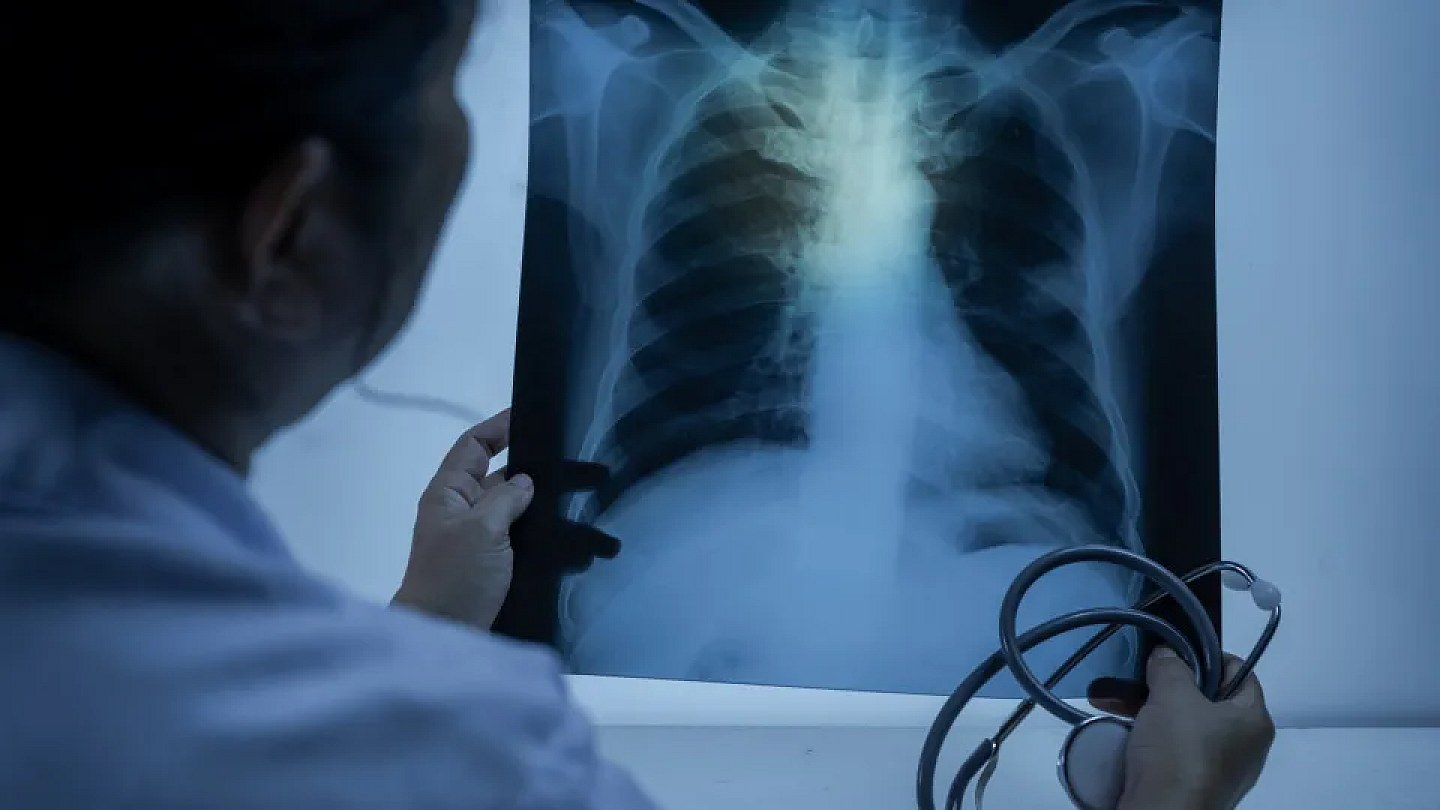
Pneumonia is an infection that affects the lung alveoli, structures responsible for oxygen exchange. When they accumulate secretions and defense cells, breathing can be compromised. Fever, cough, phlegm, chest pain and shortness of breath are among the most common symptoms. Diagnosis begins with medical evaluation and may include tests such as chest X-ray. In specific situations, tomography and blood tests may also be requested.
"The history of symptoms and physical examination usually raise a strong suspicion of pneumonia, especially when the patient presents with fever, cough, phlegm and changes in the auscultation of the lungs. But it is important to clarify that there is no 'pneumonia principle': the person either has pneumonia or does not have it. When there are still doubts about the diagnosis, the way forward is to monitor the progress of the condition, reevaluate the patient and, if necessary, request additional tests to confirm or rule out the disease", explains the pulmonologist at São Bernardo Samp.
When to seek care
Most respiratory infections improve as the days go by, but some signs indicate that medical evaluation should not be delayed. Shortness of breath, chest pain when breathing, persistent high fever or fever that returns after a period of improvement, mental confusion, excessive drowsiness, purple lips or fingertips and difficulty eating or hydrating are warning signs.
"A cough that does not improve or is accompanied by a worsening of the general condition also deserves attention. In young children, the elderly, pregnant women and people with chronic illnesses, these signs may appear more discreetly. In these groups, it is always better to seek care sooner than wait for the condition to worsen", says Smiderle.
Prevention also helps reduce the risk of complications. Keeping your vaccinations up to date, especially against flu and pneumococcus, washing your hands frequently, not smoking and adequately controlling chronic diseases are important measures.
The recommendation is to observe the evolution of symptoms and not wait for the condition to worsen before seeking help. After all, when it comes to pneumonia, identifying the signs and starting the evaluation early can make all the difference.
"Pneumonia can indeed be a serious illness, especially in the elderly, young children, pregnant women, people with chronic illnesses or compromised immunity. But this does not mean that all pneumonia is serious. When diagnosed early and treated appropriately, most patients progress very well", concludes the doctor.
Source: Noticias ao Minuto
Next recommended read
This story was originally published by Noticias ao Minuto. Visit the original publication for further details.
Open original publication