SÃO PAULO, SP (FOLHAPRESS) - A bomb cyclone could form in the southern region of Brazil this Thursday (6) and cause winds of up to 100 km/h.
Understand what a bomb cyclone is
SÃO PAULO, SP (FOLHAPRESS) - A bomb cyclone could form in the southern region of Brazil this Thursday (6) and cause winds of up to 100 km/h. The Civil Defense of the state of São Paulo installed a crisis office to...
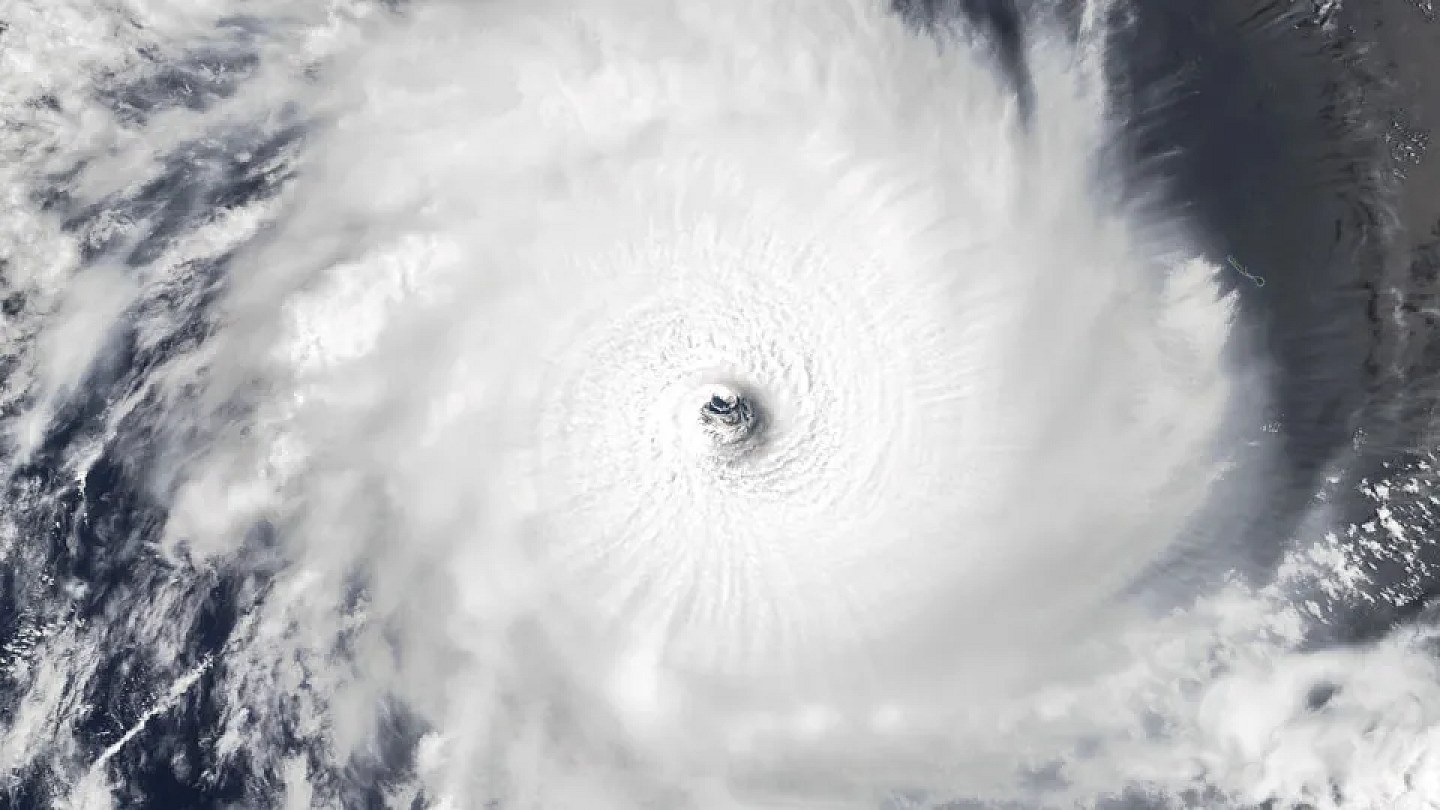
The Civil Defense of the state of São Paulo installed a crisis office to monitor the phenomenon and its effects.
The office should be open until Saturday (8). According to the CGE (Climate Emergency Management Center), in addition to the strong winds, the bomb cyclone - characterized by intense winds and approaching the continent - is expected to bring moderate rains on Friday (7) and over the weekend.
The gusts should start this Thursday, with an orange alert forecast.
BUT WHAT IS A BOMB CYCLONE?
Scientist Micael Cecchini, professor at the Astronomical and Geophysical Institute at USP, explains that a cyclone is a large-scale meteorological system, hundreds or thousands of kilometers long, which is characterized by rotation in the same direction as the Earth's rotation.
This means that in the Southern Hemisphere these systems rotate clockwise when observed from above, while in the Northern Hemisphere they rotate counterclockwise. “Any system that rotates in this way is called a cyclone,” he explains.
There are different types of cyclone, according to the professor. Tropical cyclones happen in the tropics and can give rise to hurricanes.
Hurricane and typhoon, in turn, are terms for the same phenomenon. The difference is only in the region where they occur. The term typhoon is used for events that occur in the region of Japan and the northwest Pacific, while hurricane is the name most used for events in the Atlantic, says Cecchini.
Extratropical cyclones occur at higher latitudes, while subtropical cyclones form between tropical and extratropical regions.
Both types arise from the encounter between hot and cold air. This temperature difference creates strong winds in the highest layers of the atmosphere, which reduces air pressure near the ground and gives rise to the phenomenon, explains the scientist.
He says that what differentiates a common cyclone from a bomb cyclone is the intensity of this phenomenon.
If the temperature difference between these masses is more drastic, this air current at high levels will be even stronger, causing the pressure at the surface to decrease more quickly.
To define an extratropical bomb cyclone, the scientific community agreed that there must be a drop of 24 millibars (a measure of atmospheric pressure) in 24 hours.
"In practice, when we talk about a bomb cyclone, this indicates that a much colder air mass is advancing beneath a much warmer air mass. This situation generates more intense storms at the interface between these air masses, because the cold air, being denser, pushes the hot air upwards", explains the professor.
This rise of hot air favors the formation of clouds and storms.
The colder the cold air and the hotter the hot air, the more intense this process tends to be, increasing the occurrence of severe storms, with hail.
After the system passes, there is a very rapid drop in temperatures.
The system is not a common phenomenon, says the professor. Therefore, it has a specific definition. "This classification serves precisely to identify events that require special attention", he says.
Source: Noticias ao Minuto
Next recommended read
This story was originally published by Noticias ao Minuto. Visit the original publication for further details.
Open original publication