MAELI PRADO, MARIANA CUNHA, NATÁLIA SANTOS AND NICHOLAS PRETTOSÃO PAULO, SP (FOLHAPRESS) - Ceará, Espírito Santo and Santa Catarina are the entities of the federation with total exports most affected by Donald Trump's tariffs, shows a survey carried out by Folha based on 2025 data from Mdic (Ministry of Development, Industry, Commerce and Services).
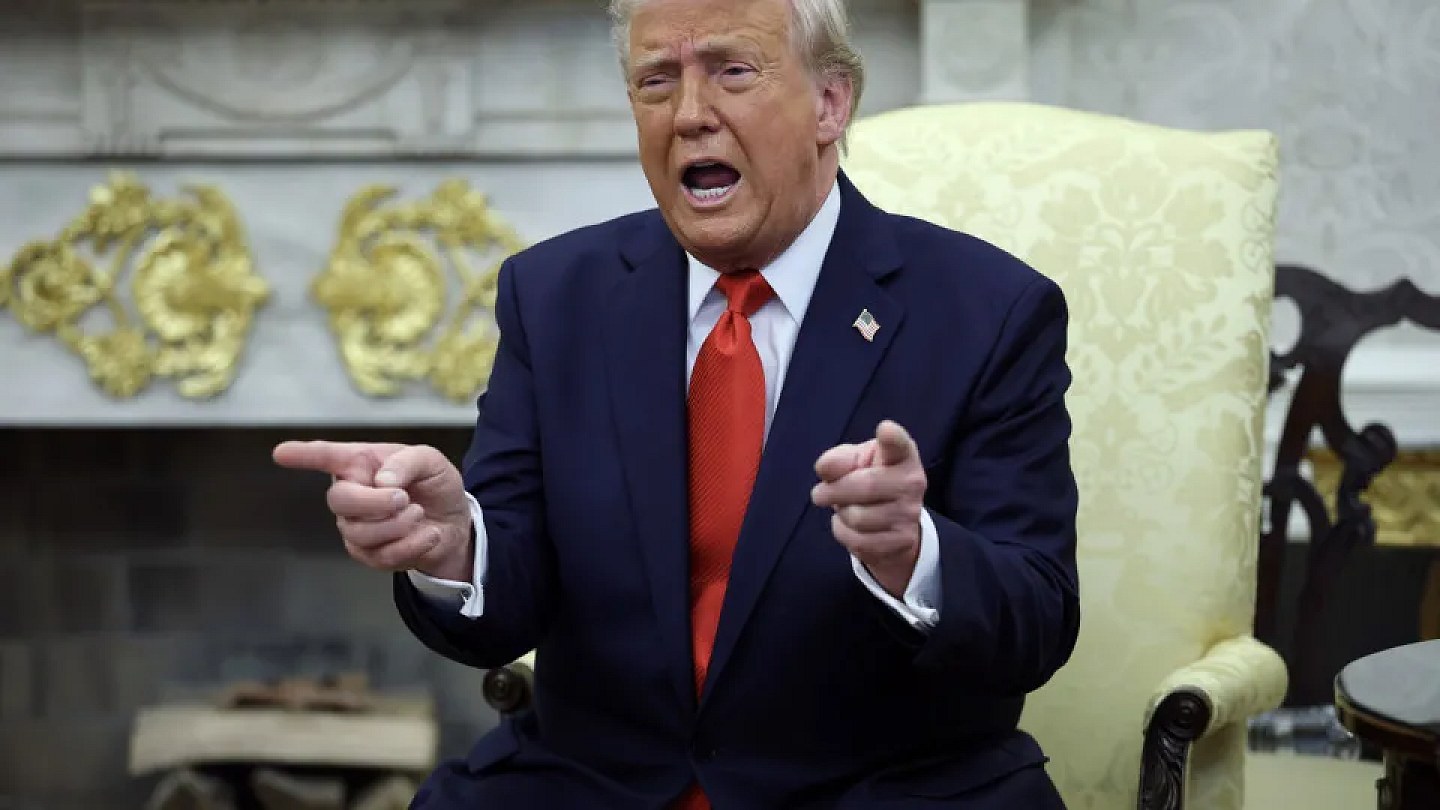
Trump tariffs impact up to 42% of exports from Brazilian states to the USA
MAELI PRADO, MARIANA CUNHA, NATÁLIA SANTOS AND NICHOLAS PRETTOSÃO PAULO, SP (FOLHAPRESS) - Ceará, Espírito Santo and Santa Catarina are the entities of the federation with total exports most affected by Donald Trump's...
When considering the impact on state economies as a whole, these states also tend to be more affected, as they either have greater dependence on foreign trade (such as ES and SC) or a complex production chain, with a greater chance of transmitting the effects of surcharges to other sectors (in the case of CE).
On July 23, the United States imposed a new charge of 12.5% on products from Brazil, under the justification that the country imports products from countries with forced labor. In many cases, the additional percentage is in addition to the 25% Section 301 investigation of unfair business practices.
One of the most worrying scenarios is that of Ceará, which sends 46% of its foreign sales to the USA and has 91.3% of its trade with Americans affected by surcharges. About 42% of all exports from the state are now subject to tariffs.
"Ceará has been greatly affected since the start of the tariffs because a large part of its exports is from the steel industry, taxed under section 232. Furthermore, the exports are very concentrated in the USA", says João Mário de França, researcher at FGV Ibre.
In addition to semi-manufactured steel products, the main items exported by the state on which surcharges are levied are honey, granite and rubber shoes, among others. Americans are the main buyers from Ceará, followed by Mexicans, with 7.1% of exports.
Despite this, the degree of openness of Ceará's economy (i.e., exports plus imports in relation to the state's GDP) is only 9.8%, according to data from a 2024 study by researchers Carlos Nathaniel Rocha Cavalcante and Rodrigo De-Losso published by Fipe (Fundação Instituto de Pesquisas Econômicas).
In other words, the economy as a whole is less dependent on foreign trade. Even so, Cavalcante makes the reservation that steel products, which are widely exported by the state, have a complex production chain.
"As the steel industry mobilizes energy, logistics, inputs, specialized services and employment throughout the chain, a shock on steel exports is hardly restricted to the value sold abroad. It can spread to suppliers, workers and activities linked to industrial and port operations", notes he, who is a researcher at Fipe and a master's degree in economics from USP (University of São Paulo).
Another case of attention is Espírito Santo: data from the Fipe study shows that the state is the one with the highest degree of openness among the federation units, with its exports and imports representing 62.7% of GDP. In the state of Espírito Santo, tariffs impact 68.6% of exports to the USA, and the country represents 27% of all foreign sales. In this case, 18.5% of total exports are subject to tariffs.
"Espírito Santo's commercial openness is practically double the Brazilian average, and there are products with a lot of weight in the export basket. Tariffs have a major impact on our economy", says Antônio Ricardo Freislebem da Rocha, general director of the Jones dos Santos Neves Institute, a government body in ES that carries out economic studies.
The main surcharged items in the case of ES are semi-manufactured iron or steel products, followed by stonework and chemical wood pastes. "But the impact of tariffs is not synonymous with closing the market", says Rocha. "There may be diversification to other countries or the Americans may remain as buyers, since for certain products we are the only suppliers."
It's the same assessment as Cavalcante, who points out that the effects of surcharges also vary depending on the characteristics of the products sold. "Products whose demand changes little when the price varies, which have little external competition or few available substitutes tend to suffer less, because the American buyer can continue to demand the good even with the tariff", he observes.
Santa Catarina, which exports 12.1% of its products to the USA and which has 80.7% of exports taxed, appears in third place in the ranking of the most affected entities of the federation, with 9.7% of total sales impacted. The list of surcharged exports from the state includes wood and items for motor vehicles, such as body accessories and brakes. The degree of openness of the Santa Catarina economy is also significant, at 45.3%.
Alagoas has 98.4% of its trade affected by surcharges. The most exported item to the United States is cane sugar, taxed on the 25% list, but exempt on the 12.5% ??list. Last year, US$65.6 million were sold with products in this category alone.
São Paulo is the state with the largest volume of exports to Americans and has 41.5% of sales to the world's largest economy affected by tariffs. In the case of São Paulo, benefiting from the exemption for products from the aeronautical industry and orange juice, 7.7% of the state's sales are surcharged, and its dependence on foreign trade is 21.7%.
Mato Grosso do Sul, Goiás and Mato Grosso are among the least impacted states, with weights of 1.4%, 1.2% and 0.2% of tariffed products in total sales, respectively. Despite having high degrees of openness, these states benefit because meat exports, the main item destined for the USA, are exempt.
"There is a lot of talk about Brazil's losses, but looking regionally, we see significant differences. There are regions that suffered less, such as the Central-West, and others that were more affected, such as the Northeast", says França.
For FGV Ibre economist, the unequal impact shows the need for the most affected states to redouble efforts to diversify their export agenda and commercial destinations.
Folha's analysis classified as "taxed
Source: Noticias ao Minuto
Next recommended read
This story was originally published by Noticias ao Minuto. Visit the original publication for further details.
Open original publication