The President of the United States (USA), Donald Trump, signed two decrees this Thursday (6), in a new attempt to restrict birthright citizenship in the country. The measures are a new attempt by Trump, after the Supreme Court rejected his previous initiative.
Trump signs decrees and restricts citizenship by birth
The President of the United States (USA), Donald Trump, signed two decrees this Thursday (6), in a new attempt to restrict birthright citizenship in the country. The measures are a new attempt by Trump, after the...
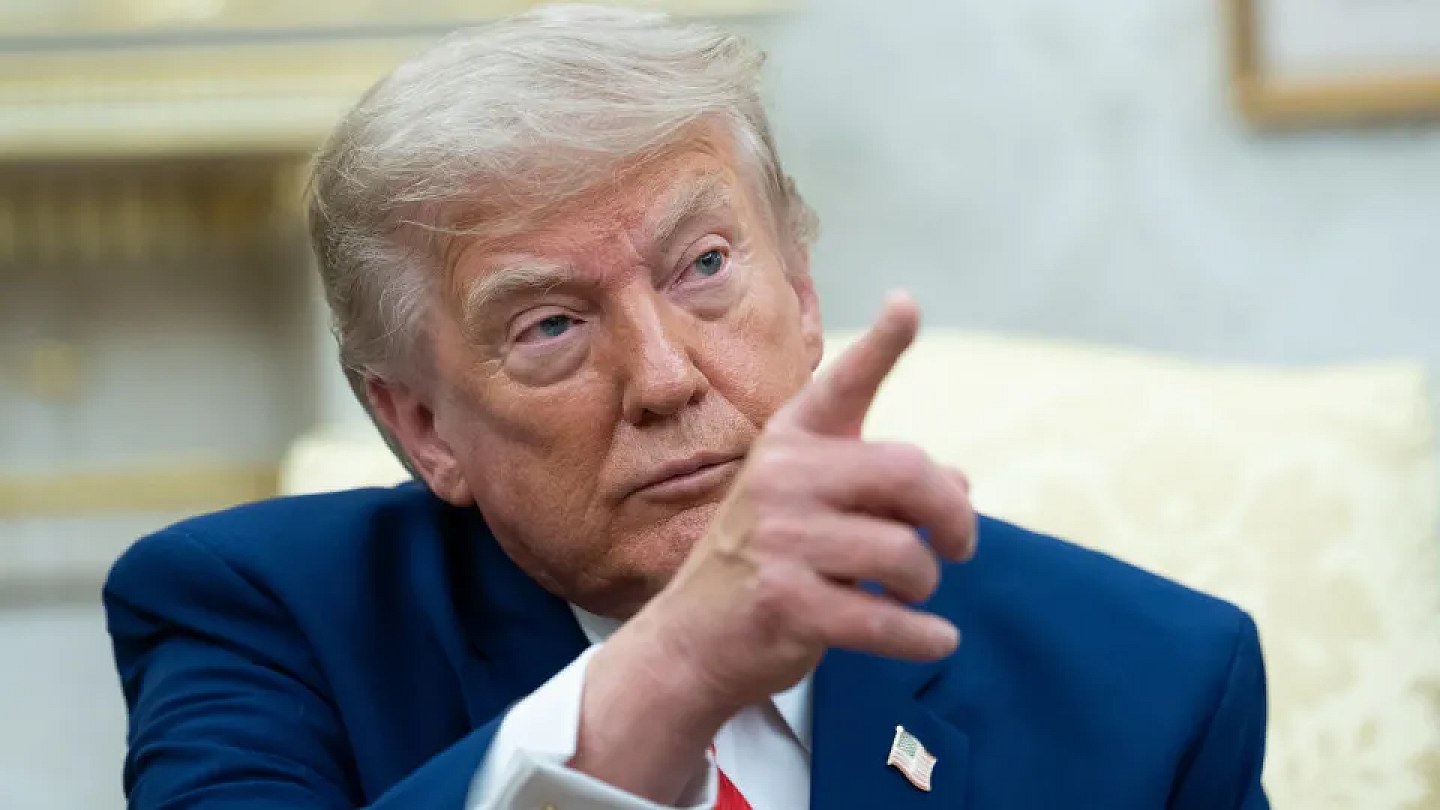
Delimiting citizenship by birthright has been a top priority in the Republican president's crackdown on immigration, with the White House taking particular aim at what it calls "birth tourism," in which pregnant foreigners travel to the U.S. to give birth.
After the June 30 defeat at the Supreme Court, Trump called on Congress to act, but this Thursday he opted for decrees, which define policies but are not legally binding. The Supreme Court found Trump's previous attempt to restrict birthright citizenship unconstitutional.
The government argues that the new directive does not fall within the limits of the Supreme Court ruling, allowing it to expand the range of people considered ineligible for birthright citizenship, including those who would arrive for the purpose of practicing “birth tourism”. The categories, according to Trump's decree, “do not fall under the rule of birthright citizenship, as announced by the Supreme Court.”
"This practice of birth tourism is, as of the signing of this decree, prohibited. This means that no one in the world is anymore allowed to obtain a visa for this fraudulent purpose," said White House advisor Stephen Miller at the signing ceremony, this Thursday in the Oval Office.
The Center for Immigration Studies, which advocates for lower levels of foreign entry into the US, estimated in a 2020 analysis that between 20,000 and 25,000 mothers entered the country for birth tourism over a one-year period from 2016 to 2017. There were 3.6 million births in the US in 2025.
The decrees also limit the rights of children born to foreign government officials in the U.S. and children of people classified as enemy aliens.
The decrees could also affect people born in US territories, if Congress passes a bill to end automatic citizenship there.
It is likely that Trump's new decrees will be challenged in court.
Unfortunate decision
"We had a very unfortunate decision at the Supreme Court regarding birthright. It was close, but it was a very, very unfortunate decision," Trump said of the 6-3 vote. "People are building businesses around it," he added. "That's not how it's supposed to work. It's a disgrace. They're buying their way in, and we're not going to let that happen," he added.
Trump's previous executive order, issued on his first day in office in 2025 as part of a suite of policies to crack down on immigration, mandated that US agencies not recognize the citizenship of children born in the United States if neither parent was a US citizen or legal permanent resident – ??also called a green card holder –, excluding babies of immigrants who were in the US illegally or temporarily.
The 14th Amendment has long been interpreted as guaranteeing citizenship for babies born in the U.S., with only narrow exceptions, such as children of foreign diplomats or members of an enemy occupying force.
"This was done for a different reason. It was done right after the Civil War. It was for slave babies, and what's happening now?" Trump asked in his speech at the White House this Thursday.
There are no official numbers that account for the number of foreigners who come to the U.S. with the explicit purpose of giving birth and obtaining citizenship for their children, nor the cost to taxpayers.
In any case, Chief Justice John Roberts wrote in the Supreme Court decision that the framers of the 14th Amendment extended that promise to every free-born person in the country.
"Citizenship, then as now, was the right to have rights – to participate freely in our political community. We keep that promise today," Roberts wrote.
The provision of the 14th Amendment known as the Citizenship Clause states that “all persons born or naturalized in the United States, and subject to the jurisdiction thereof, are citizens of the United States and of the State in which they reside.”
No U.S. law openly prohibits birth tourism, but a federal regulation implemented in 2020, during Trump's first term, prohibits the use of temporary tourism and business visas for the primary purpose of obtaining U.S. citizenship for a newborn.
People who engage in birth tourism schemes may be prosecuted for fraud or other related crimes.
*Reproduction of this content is prohibited
Source: Noticias ao Minuto
Next recommended read
This story was originally published by Noticias ao Minuto. Visit the original publication for further details.
Open original publication