SÃO PAULO, SP (FOLHAPRESS) - The stock market advances this Tuesday (4), with negotiations involving the war in the Middle East increasing investor appetite.
Stock market and dollar rise with war in the Middle East and Copom meeting on the radar
SÃO PAULO, SP (FOLHAPRESS) - The stock market advances this Tuesday (4), with negotiations involving the war in the Middle East increasing investor appetite. The monetary policy decision of the Copom (Monetary Policy...
The monetary policy decision of the Copom (Monetary Policy Committee, of the BC (Central Bank), scheduled for this Wednesday (5), also remains on analysts' radar.
At around 11:40 am, the Ibovespa, the reference index for the Brazilian stock market, rose 0.43%, in line with foreign exchanges. In the USA, for example, the S&P500, Dow Jones and Nasdaq indexes rose by up to 1.58%.
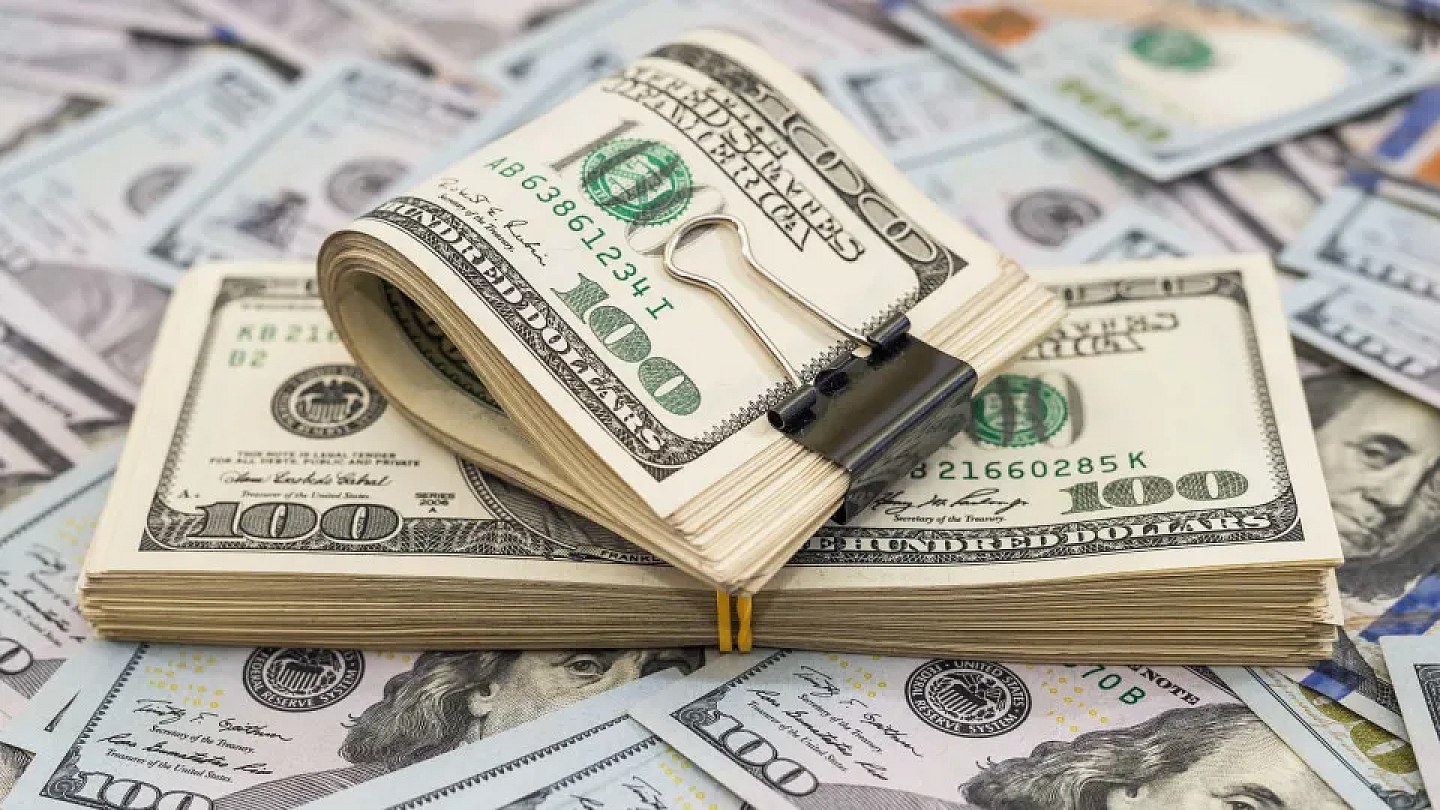
At the same time, the dollar also advanced. The North American currency rose 0.37%, to R$5.106.
On Monday (3), US President Donald Trump said that negotiations between Washington and Tehran "are taking place". American Treasury Secretary Scott Bessent said something similar.
"We are in negotiations with the Iranians and I believe there are chances of reaching an agreement today or tomorrow to open the strait and move towards a more normalized position in this conflict," said Bessent, in an interview with CNBC this Tuesday (4).
Asked whether an agreement would allow Iran to charge tolls on ships, the secretary replied: "I believe there would be freedom of movement."
The statements contradict Tehran's version, which, on Monday, denied there were ongoing negotiations with Washington.
Over the weekend, according to Trump, the US had already suspended new attacks on Iran in search of an agreement to stop Tehran's nuclear ambitions and reopen the Strait of Hormuz, a maritime route responsible for 20% of all oil and natural gas produced in the world.
For the Republican, this is "the last chance" for Iran to sign an agreement to end the conflict. The American president accuses the country's leaders of acting in a contradictory manner by requesting meetings and then denying dialogue with the Americans.
The Persian country has publicly rejected any talks with Washington since a memorandum of understanding signed in June, aimed at ending the conflict, failed, with the resumption of offensives last month.
Despite the conflict of versions, the prospect of a possible agreement encourages investors. This Tuesday, Brent oil, the global commodity reference, fell 4.8% in the October contract, to US$ 79.71.
"The movement is mainly driven by the flow of news indicating a reduction in tensions in the Middle East. As a result, we end up seeing a return in risk appetite, which supports this rally in global stock markets", says Bruno Yamashita, allocation and intelligence coordinator at Avenue.
Leonel Oliveira Mattos, market intelligence analyst at StoneX, highlights that the drop in oil also puts pressure on the performance of the real.
"As Brazil is a net oil exporter, this drop ends up harming the country's commercial revenue. In other words, it means a smaller inflow of dollars via exports, which puts pressure on the exchange rate and reduces the supply of dollars in the domestic market."
On the domestic agenda, the highlight is the Copom meeting, which will define the Brazilian basic interest rate, the Selic. The collegiate meeting starts this Tuesday and ends on Wednesday.
Currently the Selic is at 14.25% per year. Analysts consulted by Bloomberg project a reduction to 14% this Wednesday.
Earlier, the IBGE (Brazilian Institute of Geography and Statistics) reported that industrial production fell 1.8% in June compared to May, more than the 0.8% decline projected by economists interviewed by Reuters. The result is the most recent suggesting a slowdown in economic activity in Brazil.
"It is a negative result, which reflects the Copom's contractionary monetary policy. This weaker data ends up corroborating the expectation of a cut of 0.25 percentage points", says Daniel Teles, partner at Valor Investimentos.
The data reinforces a trend observed in other activity and inflation indicators. At the end of July, the July IPCA-15 (Extended National Consumer Price Index 15) showed a slowdown in the rise in prices in Brazil. Inflation measured by IPCA-15 slowed to 0.06%, compared to the median of 0.22% of economists consulted by Bloomberg.
In last Monday's Focus bulletin, economists reduced their projection for the basic interest rate at the end of this year. Now, the expectation is that the Selic will end 2026 at 13.75%, a drop of 0.25 percentage points compared to last week's survey.
If the Selic cut is confirmed, the attractiveness of the "carry trade" strategy will fall - in which investors raise funds in economies with low rates, such as the American or Japanese, to invest them in markets with higher interest rates, such as Brazil, benefiting from this difference.
"Lower interest rates reduce the relative attractiveness of Brazilian assets for foreign investors, which also contributes to the weakening of the real", says Leonel Oliveira Mattos, from StoneX.
Source: Noticias ao Minuto
Next recommended read
This story was originally published by Noticias ao Minuto. Visit the original publication for further details.
Open original publication