The scale can be a useful tool for monitoring changes in the body, but it should not be the only parameter when losing weight, gaining muscle mass or maintaining weight.
Scales can be misleading during weight loss; understand three reasons
The scale can be a useful tool for monitoring changes in the body, but it should not be the only parameter when losing weight, gaining muscle mass or maintaining weight. The number displayed represents the total weight...
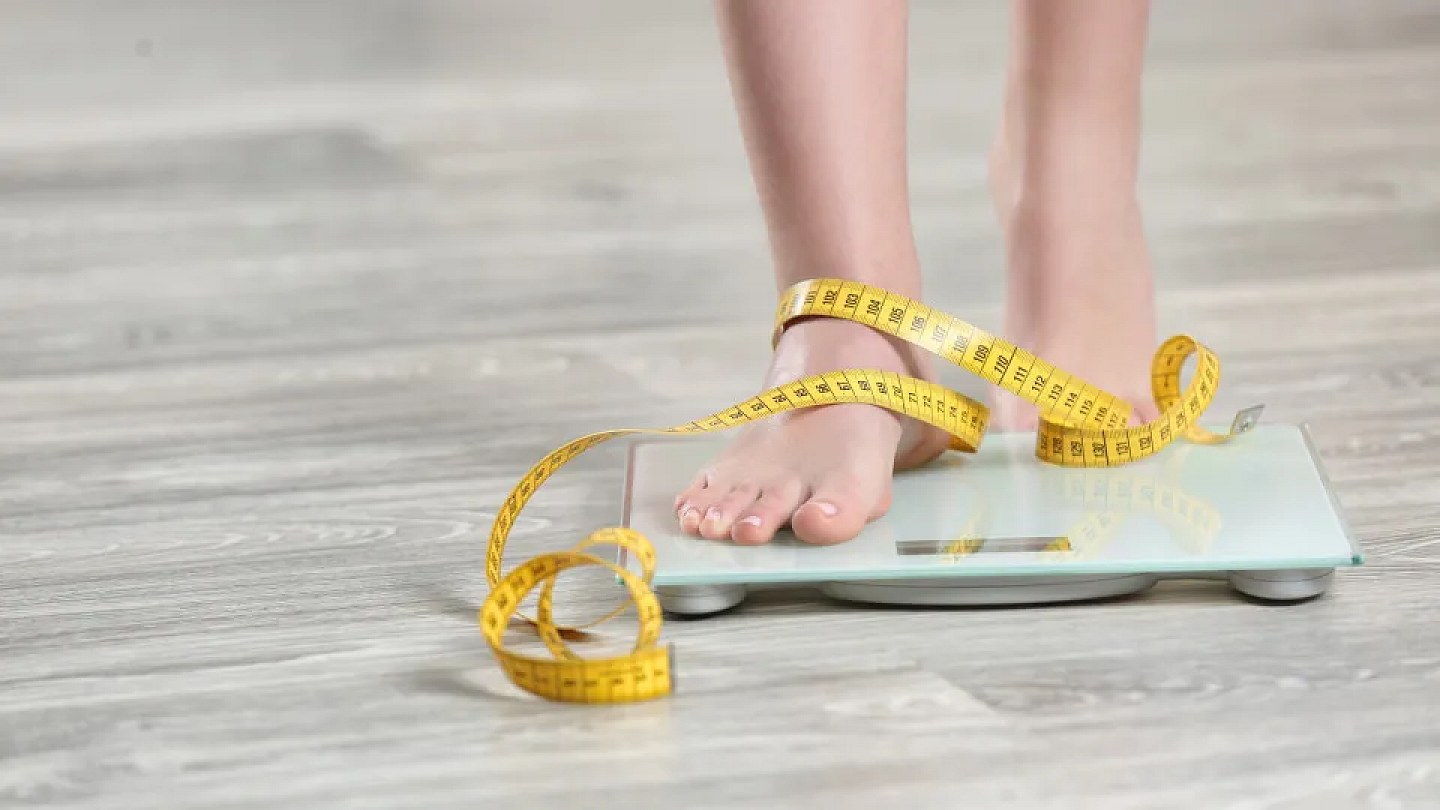
The number displayed represents the total weight of the body, without distinguishing fat, muscles, bones, organs, liquids and even food still in the process of digestion. Therefore, a single measurement can lead to misinterpretations about physical evolution.
Wellnooks experts highlight three factors that help explain why weight can vary even when diet and exercise are being followed correctly.
The scale does not differentiate fat from muscle mass
Body weight brings together different components. The common scale cannot tell you how much of that value corresponds to fat, muscle mass, water or bone structure.
This limitation also appears in the Body Mass Index, the BMI. The indicator relates weight and height, but does not directly measure body fat nor differentiate muscles from adipose tissue.
Two people with the same weight, therefore, can have completely different body compositions and physical conditions.
Anyone who starts bodybuilding, for example, can lose fat and gain muscle mass without seeing a significant drop on the scale. In some cases, weight may even increase, despite improvements in body composition.
Weight may fluctuate throughout the day
Daily variations are common and, most of the time, are related to the amount of fluid in the body, diet, digestion, exercise and hormonal changes.
A larger meal, water consumption or fluid retention can temporarily increase the number shown on the scale, without fat gain occurring.
Psychologist Leslie Heinberg, from the Cleveland Clinic, states that the scale is not a good instrument for evaluating short-term changes in behavior. A person can maintain healthy habits and still weigh more the next day.
Therefore, isolated measurements are of little use. The best option is to observe the trend recorded over several weeks.
Exercise, salt and hormones change the result
Intense training can cause minor muscle inflammation during the recovery process. In response, the body temporarily retains fluids, which can increase weight.
Excess sodium also favors water retention. Hormonal changes, especially during the menstrual cycle, can produce the same effect.
These factors can cause the scale to rise from one day to the next without any significant change in the amount of body fat.
How to use the scale more reliably?
The scale does not need to be abandoned, but it must be used regularly and under similar conditions.
The ideal is to weigh in at the same time, preferably in the morning, after going to the bathroom and before eating or drinking. It is also recommended to always use the same equipment and avoid comparing results obtained at different times of the day.
Other indicators can help monitor progress, such as body measurements, clothing fit, exercise performance, periodic photographs and assessment of body composition carried out by a professional.
More important than the number of a single day is the trend observed over time.
Slimming pens could have a new effect on your face, doctors say
Doctors report loss of volume on the sides of the face among patients who lost weight quickly using GLP-1 class drugs. Change is not exclusive to pens and can occur after any marked weight loss
Source: Noticias ao Minuto
Next recommended read
This story was originally published by Noticias ao Minuto. Visit the original publication for further details.
Open original publication