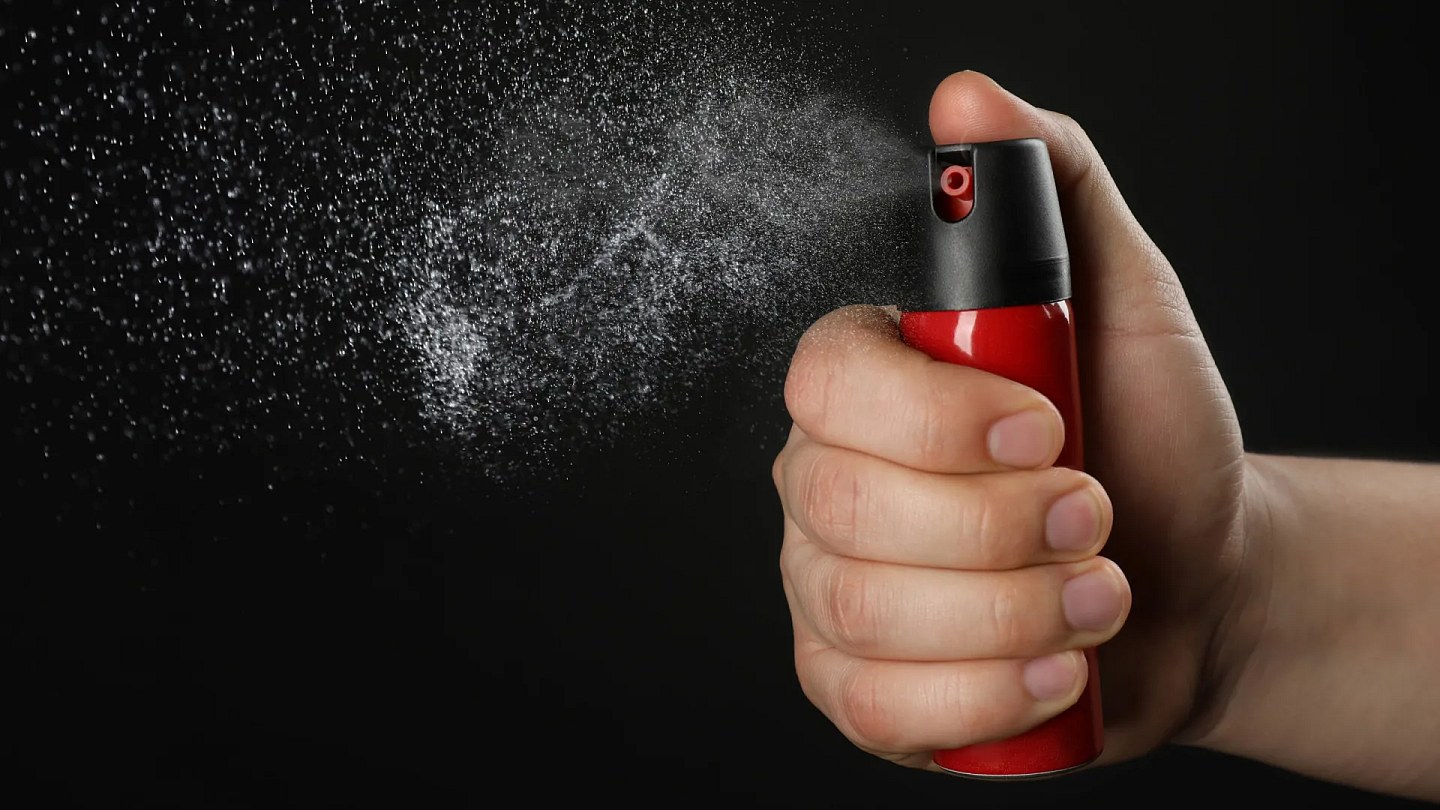
The approval of the bill that authorizes the sale, purchase and possession of pepper spray for women over 16 years of age throughout the country as a measure of personal defense is only a palliative measure and not a real or safe public safety policy.
Pepper spray for women is a palliative measure, says prosecutor
The approval of the bill that authorizes the sale, purchase and possession of pepper spray for women over 16 years of age throughout the country as a measure of personal defense is only a palliative measure and not a...
The statement comes from the prosecutor of the São Paulo Public Ministry (MPSP) and president of the Pró-Vítima Institute, Celeste Leite dos Santos.
The text will be approved by the President of the Republic, Luiz Inácio Lula da Silva. From the age of 18, women can purchase the spray freely, but must present an official document with a photo, proof of residence and a certificate that they have no criminal record.
The maximum volume of the bottle will be 50 ml and accredited stores must record the purchase details and issue an invoice to control the product. The text says that the spray can be used in a “moderate” way to repel “unjust, current or imminent” aggression. In case of theft or theft of the spray, the owner must file a police report within 72 hours.
"This is a measure of "criminal populism", which creates a false sense of security among the population without considering the practical consequences. The use of the spray creates the illusion that women can easily defend themselves, but its handling is not simple and requires specific training", he said.
She explained that, if fired against the wind, the product could return against the woman herself, making her even more vulnerable. If used less than one meter away, the attacker can take the spray from the victim. Furthermore, the type of spray, which can be jet or mist, changes the way it is used. And in closed environments, its use is inadvisable, as it can harm the user and third parties.
The prosecutor also warns of the risk of role reversal, with the victim potentially being punished if they use the spray disproportionately or hit third parties.
"In these cases, she may be subject to an administrative penalty with the payment of fines of one to ten minimum wages. She may also be held liable in the civil sphere for the damages caused, or in the criminal sphere, for bodily injury or disproportionate response," he said.
For Celeste, in addition to the documents required at the time of purchase, the buyer must present, obligatorily, a certificate of completion of specific technical training for handling the spray. She criticizes the fact that the government releases the sale without defining who will provide this training.
Although she explains that the spray must be strictly for self-defense (reaction to an unjust, current or imminent attack), especially in remote places, where the intention of rape or robbery is clear, the prosecutor emphasizes that there are other forms of self-defense, including preventive ones.
"Maintaining a safe posture, observing street traffic before entering the house or car is also a form of defense. Adopting a firm body posture on the subway or public transport, with your head up, direct gaze and body base ready to escape or react, for example, demonstrates attention and inhibits the approach of aggressors indirectly. But there are also self-defense techniques that allow you to free yourself from the aggressor", he stated.
Celeste highlighted that when it comes to meeting women's demands for safety, the Three Powers have failed.
“The Legislature fails because it does not make progress in guaranteeing equality; the Judiciary because it is often not prepared to deal with victims, generating revictimization; and the Executive because it does not implement structured public prevention policies”, he concluded.
Read Also: Thiago Brennand: businessman is convicted of forcing his ex-girlfriend to tattoo initials of his name
Source: Noticias ao Minuto - Ultima Hora
This story was originally published by Noticias ao Minuto - Ultima Hora. Visit the original publication for further details.
Open original publication