MARCOS HERMANSON AND NATHALIA GARCIABRASÍLIA, DF (FOLHAPRESS) - The government of Luiz Inácio Lula da Silva (PT) announced this Thursday (16) a reinforcement of the Brasil Soberano program, which offers credit lines to businesspeople affected by American tariffs.
Lula government estimates that tariffs will reach 18% of exports to the USA and announces help for businesspeople
MARCOS HERMANSON AND NATHALIA GARCIABRASÍLIA, DF (FOLHAPRESS) - The government of Luiz Inácio Lula da Silva (PT) announced this Thursday (16) a reinforcement of the Brasil Soberano program, which offers credit lines to...
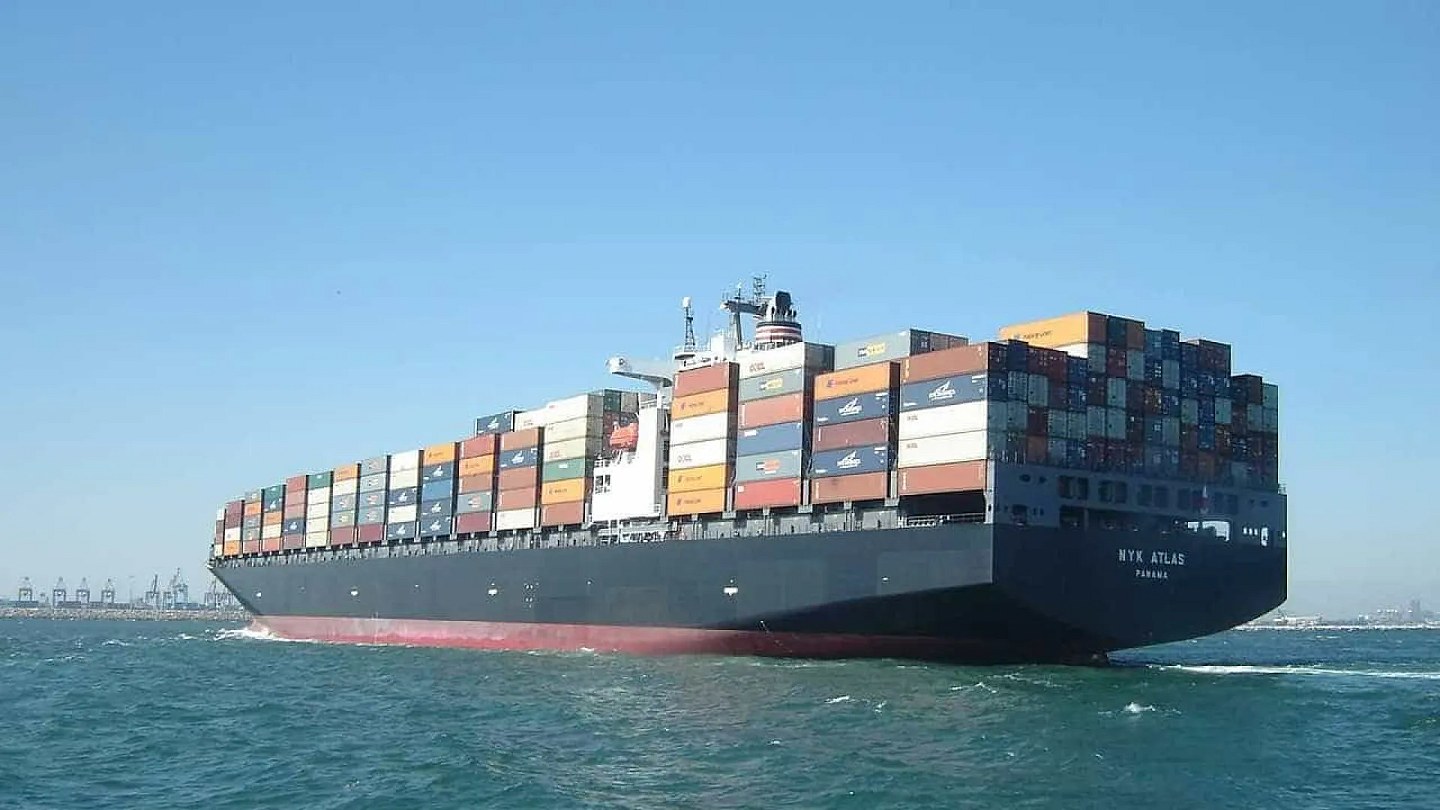
The measure is a response to the 25% surcharge announced by the Donald Trump government, which should be implemented from next Wednesday (22). There are still no details on the value of the aid or the conditions of access for Brazilian exporters.
According to the government, the tariff announced on Wednesday night (15) affects 18% of Brazilian exports to the USA, or around US$7.4 billion (R$38 billion), considering data from 2024.
"If we consider 2025, the share of these sectors affected by this undue tariff drops to 15% or US$5.8 billion (almost R$30 billion)", added Minister Márcio Elias Rosa (Industry, Commerce and Services).
Other institutions calculated different values. The CNI (National Confederation of Industry) states that the new round will put at risk the equivalent of 26% of Brazilian exports to the USA. MB Associados estimates that US$9.51 billion, or 25.2% of the value exported to American territory, is exposed to tariffs, based on figures from 2025. Machinery and equipment, wood and furniture and rubber and tires are the sectors most affected, according to MB.
In addition to Elias Rosa, ministers Dario Durigan (Finance), Mauro Vieira (Foreign Affairs) and João Paulo Capobianco (Environment) participated in the announcement. Also present were vice-president Geraldo Alckmin (PSB), the president of the Central Bank, Gabriel Galípolo, and the national secretary of Justice, Maria Rosa Guimarães.
Alckmin described the measure announced by the US as "unfair and unreasonable" and repeated arguments already used by Brazil in the tariff discussion, remembering that the US has a trade surplus with Brazil, and that Pix, one of the US targets, did not harm credit card companies.
"This is undue external interference," said the Finance Minister, accusing the opposition of using the new tariffs as an "electoral crutch." Durigan stated that the government will reinforce Brazil Soberano, a line of credit for exporters affected by tariffs and the war in Iran, and stated that ministers will take the option for the Reciprocity Law to President Lula, who will make the final decision.
He did not give details about the amount that will be allocated to the plan, although he said that he expects a lower amount than was allocated in previous versions. In August 2025, the government offered R$30 billion, and in March of this year, R$15 billion remaining from the first line.
“We will quickly listen to the [economic] sectors and reinforce the existing lines of the Sovereign Brazil Plan,” said Durigan.
The authorities present sought to deconstruct the arguments mobilized by the USA to justify the application of tariffs against Brazil. The national secretary of Justice classified the allegations about combating corruption used in the USTR report as "false and unfair".
"I would like to highlight that [the American dossier cites] the 2023 OECD (Organization for Economic Cooperation and Development) report, which actually deals with data from the previous government, when we already have the 2026 OECD report, which recognizes Brazil's relevant advances in strengthening policies to combat corruption, money laundering and organized crime," he stated.
Minister João Paulo Capobianco, of the Environment, highlighted the government's efforts to combat deforestation and reduce deforestation rates since 2023 - although he implemented an anti-environmental agenda at the head of the government, the Trump administration accused Brazil of not doing enough to combat deforestation.
"Realizing that it would be impossible to continue accusing Brazil of increasing deforestation in an uncontrolled manner, they came up with new information, this one even more false: that Brazil was deforesting illegally and flooding the international market with wood of illegal origin," said the minister. "That is absolutely untrue."
For the president of the Central Bank, the arguments against Pix are the most "blatant" case of excuses given by Americans to apply tariffs against Brazil. In the investigation, Donald Trump's government accused the monetary authority of favoring the system in an unfair and discriminatory way in relation to other means of payment.
In his speech, Galípolo highlighted that, since the implementation of Pix, the credit card market has grown 150% and that it was checks and physical cash that lost space.
He also highlighted Pix as an international reference and said that the BC has already signed some type of technical cooperation with more than 47 central banks for the transfer of technology for the development of instant payment systems.
"On the Central Bank's side, we will always continue to provide Pix as something free, safe and instantaneous and continue the technical evolution of Pix in cooperation with other central banks so that more and more of the Brazilian population can have access to financial services in a safer, faster and with greater financial inclusion", he said.
After the American government's decision, Secretary of State Marco Rubio blamed President Lula for the new sanction on the country on the grounds that the Chief Executive and the Brazilian government did not negotiate with the USA in good faith.
"His economic policies are bad for Americans and bad for Brazilians. Over the last year, Lula has put his own ego ahead of making a deal for the well-being of the Brazilian people, and these tariffs are the price for that," Rubio wrote.
The ministers defended the Brazilian government's stance throughout the negotiations. According to Chancellor Mauro Vieira, there were more than 30 meetings, including virtual and in-person conversations at presidential, ministerial or technical levels.
"A person acts in good faith based on the
Source: Noticias ao Minuto - Ultima Hora
This story was originally published by Noticias ao Minuto - Ultima Hora. Visit the original publication for further details.
Open original publication