SÃO PAULO, SP (FOLHAPRESS) - Iran attacked again on Monday night (20) a water desalination plant in Kuwait, raising fears of a supply crisis for the approximately 60 million inhabitants of the six countries that make up the Gulf Cooperation Council.
Iran attacks threaten water supplies in the Gulf
SÃO PAULO, SP (FOLHAPRESS) - Iran attacked again on Monday night (20) a water desalination plant in Kuwait, raising fears of a supply crisis for the approximately 60 million inhabitants of the six countries that make up...
According to the Kuwaiti government, the installation operated in conjunction with an electrical power plant, as is common in the region. There were fires, which were only controlled this Tuesday (21), when the country was bombed again, this time with Tehran targeting military bases used by the Americans.
The risk to infrastructure, present since the United States and Israel attacked Iran on February 28, is part of the theocracy's strategy in the current phase of the war, restarted in a more restricted form by Donald Trump in response to Iranian attacks on oil tankers.
The American's decision ended the 60-day truce agreement signed a month ago, but the conflict is progressively escalating, without a return to the original five weeks of war, with widespread attacks.
Last week, Trump went up another notch, bombing bridges and an airport in his rival, although he did not fulfill his promise of widespread destruction.
Tehran then began carrying out specific attacks like the one on Monday, which, according to the Revolutionary Guard, also hit facilities belonging to the e-commerce giant Amazon in Bahrain. Last week, it had already hit a Kuwaiti desalination plant.
Water supply infrastructure is especially sensitive in the desert region. According to the most recent data from the Middle East and North Africa Desalination Forum, the dependence on Gulf countries is enormous.
In Kuwait, for example, 90% of drinking water comes from desalination, a figure that reaches 100% in Bahrain and Qatar. In Saudi Arabia, which has the largest production in the area, it is around 50%. When analyzing the total dependence on water, including that used not for drinking, the rate drops a little.
Today, 60% of the world's installed capacity for desalination is in the Gulf, with around 400 plants. Iran has some to serve more remote regions and islands, but in general it does not depend on technology.
The violence continued from Monday to Tuesday night. Promising revenge for the deaths in combat of four soldiers over the weekend, the US has resumed bombing regions in southern and western Iran.
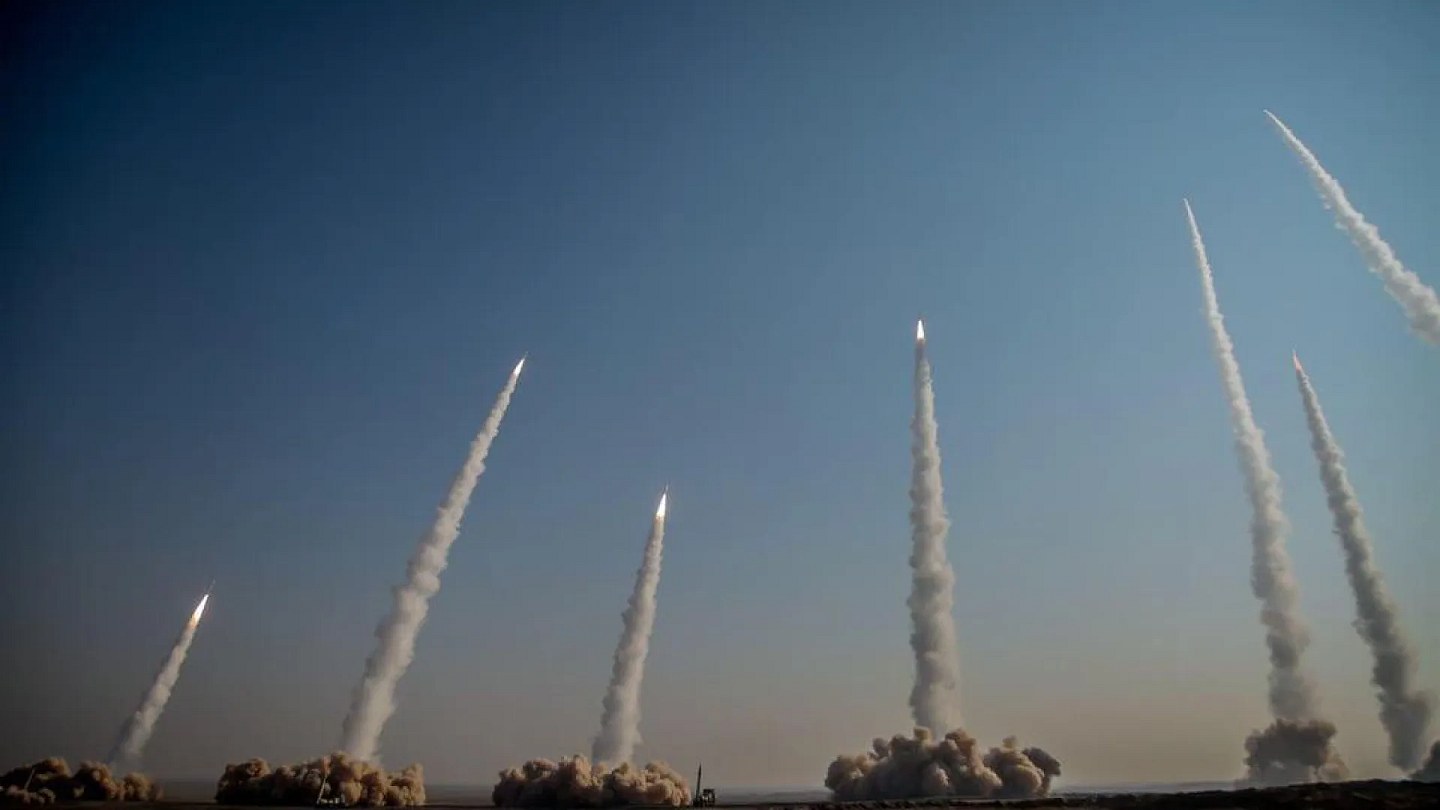
The theocracy has already hit another oil tanker in the Strait of Hormuz, a strategic route through which a fifth of the world's production of oil and liquefied natural gas passed before the war. Missiles were also launched again against the main American tactical base in the war, which is in the most distant Jordan.
Hormuz is the central object of hostilities, with Tehran promising to establish control via tolls on transit cargo. The US continues its naval blockade of Iranian ports, while regional mediators are still trying to establish a ten-day ceasefire in the region.
OIL TANKERS TURN NEAR YEMEN
On the western side of the Arabian peninsula, in turn, pro-Iran rebels in Yemen issued statements this Monday to maritime transport companies asking them not to use Saudi ports in the Red Sea, under penalty of seeing their vessels attacked.
At least two oil tankers have turned around in the region since Monday, according to maritime traffic monitors. One of them came from Oman and the other left the Red Sea after being loaded at the Saudi port of Yanbu.
It is the first detail of the naval embargo imposed by the Houthi rebels. This Tuesday, Trump stated that the US will respond if necessary. If there are any attacks on merchant ships, he said, "we will have to take care of the matter."
The rebels have dominated the western region of the country with Iranian support since 2014, in opposition to the ousted government in the capital Sanaa, which is supported by Riyadh.
The Houthis have a vast arsenal of drones and missiles that can cause considerable damage to world trade, as they proved by supporting Hamas terrorists against Israel in the 2023 to 2025 conflict, quintupling freight rates due to diversions to avoid the Red Sea.
The node is another strait, Bab el-Mandeb (or Bab al-Mandab, which means Gate of Tears in Arabic), which divides the Yemeni and Djibouti coasts and connects the sea to the Indian Ocean. Between 9% and 12% of the world's oil passes through there, being the alternative route used by the Saudis due to the closure of Hormuz since the beginning of the war.
Since then, Riyadh has quadrupled the amount of oil in the region to almost 4 million barrels/day. Last week, Yemen's overthrown government began an air blockade of Sanaa airport with support from Saudi fighter jets, prompting the Houthis to radicalize their position.
Since 2022, both sides have frozen the civil war in the Arab country, which has now become a new front in the larger context of the war between the US and Iran.
Read Also: Protests pressure Zelenski to fire head of the Armed Forces
Source: Noticias ao Minuto - Mundo
This story was originally published by Noticias ao Minuto - Mundo. Visit the original publication for further details.
Open original publication