SÃO PAULO, SP (UOL/FOLHAPRESS) - The small island of Greater Tunb, in the Persian Gulf, returned to the center of international attention after being the target of attacks from the United States today. Although it is only around 10 square kilometers and has a small population, the territory occupies a position considered one of the most strategic in the Middle East as it is at the entrance to the Strait of Hormuz.
What the Greater Tunb Island, target of US attack, is like and why it is strategic
SÃO PAULO, SP (UOL/FOLHAPRESS) - The small island of Greater Tunb, in the Persian Gulf, returned to the center of international attention after being the target of attacks from the United States today. Although it is...
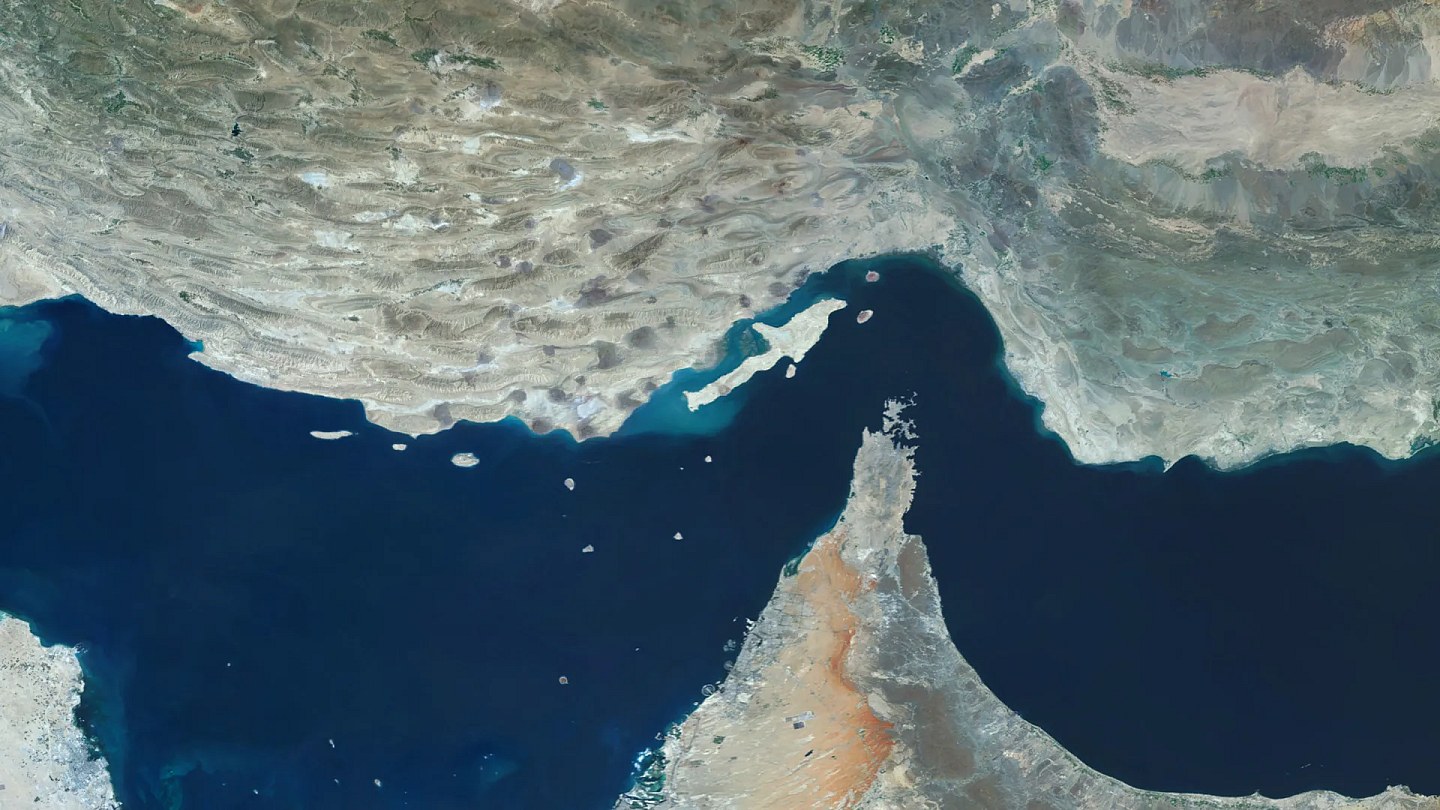

At first glance, Greater Tunb looks like an ordinary Persian Gulf island. The territory is arid, rocky, has little vegetation and has practically no natural sources of fresh water. Located about 20 kilometers south of the Iranian island of Qeshm, it is part of, alongside Abu Musa and Lesser Tunb, a group of islands disputed between Iran and the United Arab Emirates.
Experts say that its importance lies much more in its location than in its natural characteristics. The island is home to a permanent presence of the Iranian Armed Forces and is part of the defensive structure built by Tehran to monitor naval movements in the region.
The answer is on the map. Greater Tunb is practically at the entrance to the Strait of Hormuz, a passage that connects the Persian Gulf to the Gulf of Oman and the Indian Ocean. Approximately a fifth of all the oil sold on the planet passes through this narrow maritime strip, making the region one of the most sensitive points in the world economy.
Controlling islands close to the strait allows you to install radars, surveillance systems and coastal missile batteries. It also allows you to monitor practically all the movements of commercial and military vessels entering or leaving the Persian Gulf.
A study of Iranian defensive architecture in the Strait of Hormuz claims that these islands function as "the eyes of the system." In doing so, they enable continuous surveillance, early warning and support for military operations in one of the most strategic maritime routes in the world.
Greater Tunb is also the subject of a long-standing territorial dispute. Iran has controlled the island since November 1971, when it occupied Greater Tunb and Lesser Tunb shortly before the creation of the United Arab Emirates. Since then, Abu Dhabi has claimed sovereignty over the islands, saying they historically belonged to the emirates of Ras al-Khaimah and Sharjah. The controversy remains unresolved and continues to be discussed in international organizations.
The United States reported that it bombed military positions in the Greater Tunb during a new offensive against Iran. According to the American Central Command, depots and missile launch systems were hit, as well as coastal defense structures.
The operation lasted around 90 minutes. And, according to Washington, it aimed to reduce Iran's ability to attack vessels transiting the Strait of Hormuz. After the attacks, the Revolutionary Guard once again stated that it will keep the Strait of Hormuz closed while US military operations continue.
Read Also: US launches attacks on Iranian bases that threaten flow in Hormuz
Source:
Noticias ao Minuto - Mundo