(FOLHAPRESS) If Donald Trump's government confirms a new tariff against Brazilian products, members of the government should recommend to President Luiz Inácio Lula da Silva (PT) the adoption of reciprocal measures against the United States.
Government studies reciprocity against Trump's tariffs, and ministers will take proposal to Lula
(FOLHAPRESS) If Donald Trump's government confirms a new tariff against Brazilian products, members of the government should recommend to President Luiz Inácio Lula da Silva (PT) the adoption of reciprocal measures...
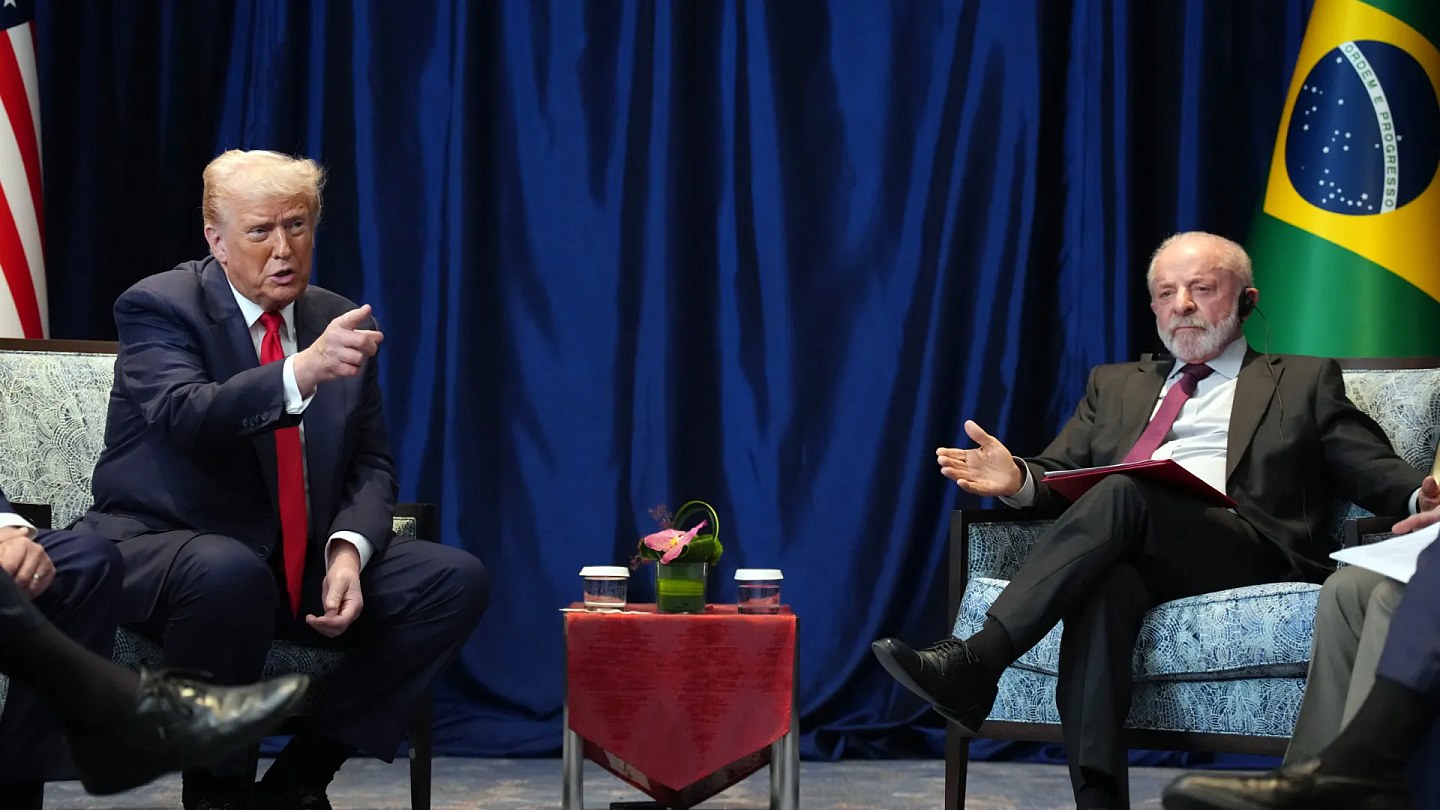

The federal government can respond to surcharges based on a law approved by the National Congress in 2025, when the American president began a new cycle of increasing import tariffs.
The possibility was mentioned this Tuesday (14) by the Minister of Finance, Dario Durigan.
"The reciprocity process was started in the past. We even suspended the process, following the law of the National Congress, when there was a kind of retreat in tariffs. Now, I think it is likely that, after consulting President Lula, we will resume the reciprocity process", he declared.
The Trump administration is expected to announce by this Wednesday (15) whether it will apply new tariffs against Brazil, following an investigation into Brazilian trade practices.
Lula's entourage believes that the procedure was introduced only to pave the way for surcharges and considers the adoption of the measure to be practically certain. American authorities suggest applying 25% tariffs on Brazilian products.
Brazilian rules allow raising taxes on imports, suspending agreements and, in exceptional cases, blocking patents and royalties in response to commercial measures considered harmful to the country.
Also this Tuesday, Brazilian and American authorities held a new meeting to discuss the matter. Representatives of the Lula government reiterated their criticism of the tariff, but the conversation did not change the expectations of the Executive leadership.
The adoption of reciprocity measures had already been studied last year, when Trump announced the first round of tariffs, but they were never implemented.
"What will matter most is the following: we have the Reciprocity Law, approved by the National Congress. And have no doubt. First, we will try to negotiate. But, if there is no negotiation, the Reciprocity Law will be put into practice. If he charges 50% from us, we will charge 50% from him", said Lula at the time.
At the time, the government's opinion prevailed that taxing American products could increase inflation in Brazil and reduce the competitiveness of national industry, since part of the components used in Brazilian production comes from the United States. Furthermore, negotiations managed to reverse part of the tariffs.
Trump's tariffs have also become a topic of domestic politics and are expected to appear frequently in this year's election campaign. The reason is the proximity of Bolsonarism, Lula's opposing political force, to the President of the United States.
In 2025, when announcing the first surcharges, Trump linked the measure to the trial that later convicted former president Jair Bolsonaro (PL) of an attempted coup.
Furthermore, former congressman Eduardo Bolsonaro moved to the United States, where he works to increase pressure from the American government on the Lula administration.
The scenario allowed the Brazilian president to gain popularity by adopting a speech defending national sovereignty. Lula's allies associate Trump's tariffs with Senator Flávio Bolsonaro (PL-RJ), pre-candidate for President against the PT member.
Government officials started calling the senator “Tarifflávio” and trying to present him to public opinion as submissive to the American government.
Throughout this Tuesday, PT members and members of the government base discussed how to approach the issue if the new tariffs are confirmed. The strategy is to maintain criticism of Flávio and expand the campaign on social media and in public statements.
Although they consider the adoption of the surcharges to be practically certain, Lula's allies also debated what tone to use if the United States makes a different decision.
Another possibility, considered remote, would be a postponement of the announcement. In this scenario, Flávio Bolsonaro could try to claim merit, as he asked the American government that the tariffs not be implemented.
The government camp's response would be to state that the United States is trying to interfere in the Brazilian election and favor Flávio, in addition to accusing the Bolsonaro family of putting political interests above the country's interests.
Source:
Noticias ao Minuto - Ultima Hora