BERLIN, GERMANY (FOLHAPRESS) - The Labor Party's most popular figure, Andy Burnham was elected leader of the party this Friday (17), in London, and will become Prime Minister of the United Kingdom next Monday. In his inauguration speech, he thanked his colleague Keir Starmer for the "biggest rebalancing of social justice" ever carried out in the country and promised a "less toxic" policy.
Future Prime Minister Andy Burnham promises less toxic policy in the UK
BERLIN, GERMANY (FOLHAPRESS) - The Labor Party's most popular figure, Andy Burnham was elected leader of the party this Friday (17), in London, and will become Prime Minister of the United Kingdom next Monday. In his...
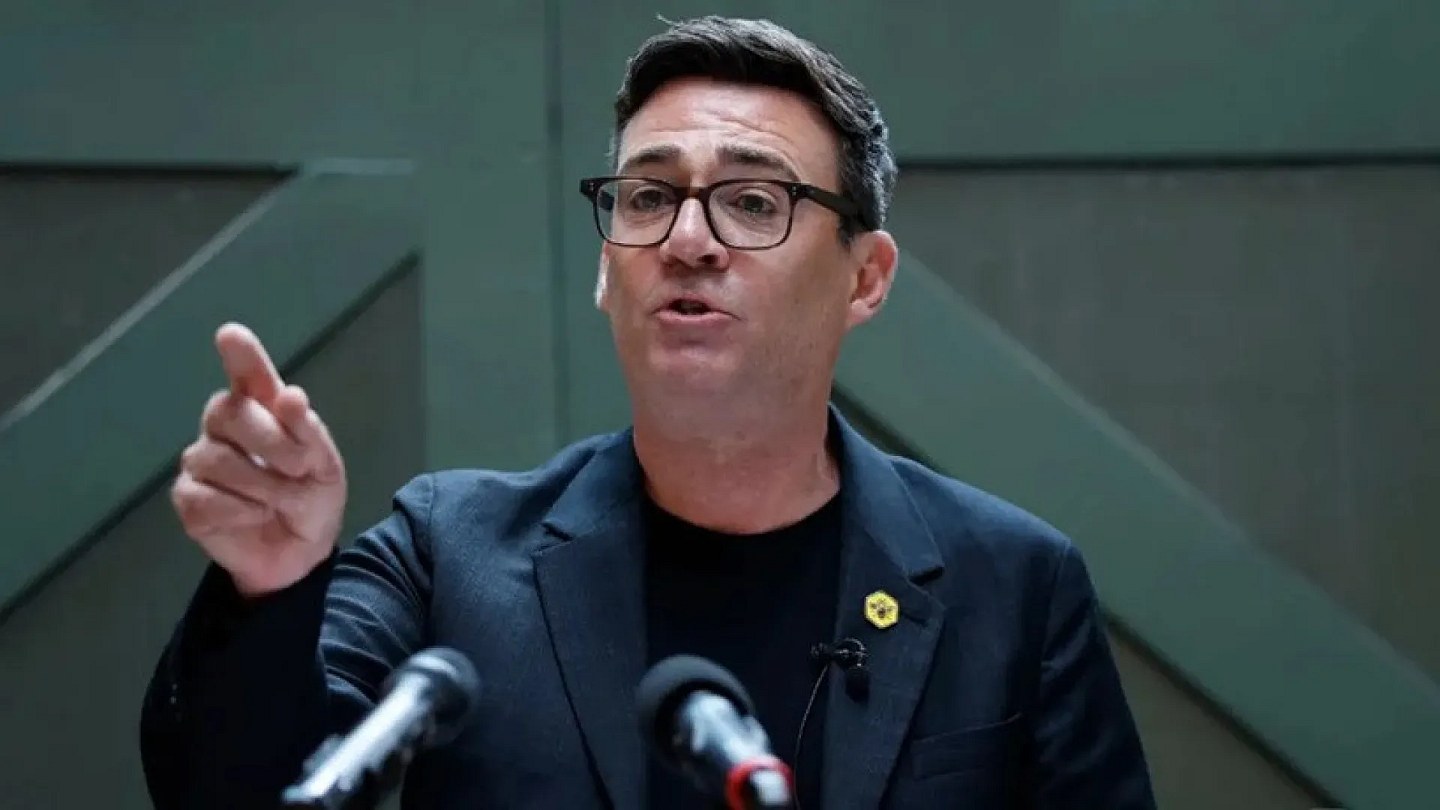
"We may find that our political discourse in this country becomes a little less toxic, and we must strive to achieve that," declared the former mayor of Manchester, in a clear reference to Labor's biggest challenge since its landslide victory in 2024: showing that the party can make a difference in power.
Starmer capitulated, despite reforms and the country's careful navigation through a turbulent period, especially abroad. Burnham, in turn, promises an administration closer to the population, as in his time as mayor. "I'm not going to change. I have a style, it's my style, and I will always remain grounded, close to people."
This week, in Cardiff, Wales, Burnham sat on a bench on a shopping street in the city and answered questions from passersby. The conversations were recorded and published on his social networks - until now, he has dedicated little time to the professional press. When asked about health services, for example, he stated that his father has Alzheimer's and that he knows the limitations of the sector well.
The future prime minister sought the roots of the current state of the United Kingdom in Thatcherism and the successive conservative administrations that led to Brexit.
"I am certain that the UK took a series of wrong turns in the 1980s. Political power was centralized and economic power was privatized. The country gave up control of essential services, housing, water, energy, transport, and left the population exposed to higher costs."
According to Burnham, this generates concentration of wealth and power in a limited number of regions. “Slowly, sometimes imperceptibly over four decades, political and economic power has been drained from our communities.”
"If local authorities don't control something as basic as a bus service, how can they connect people to opportunities and reverse this situation?" asked the former mayor, who took back control of public transport in the Manchester region, one of the political facts that made him popular to the point of being called "king of the North".
"And if we don't have sufficient public control over the cost of essential items, how can we have control over inflation, public spending and the rest of the economy?
The right uses the expression 'regain control', but they were the ones who gave it up in the first place."
The speech does not deviate from Burnham's history, which sent shivers through analysts and sectors of the market when he moved to return to Parliament and make his candidacy for Prime Minister viable last month.
With effective control over his own communication, he smoothed out rough edges until he got headlines about "relieved markets" this week, with the possible formation of his cabinet. The team will only be announced on Monday (20).
"I will be a pro-business leader of the Labor Party, just as I was a pro-business mayor of Greater Manchester. Together we transform the region. We will take this across the country," he said. Burnham even called his politics “Manchesterism”.
Central to it is decentralization, "devolution", returning varied responsibilities, from tax collection to health administration, to local governments. The new leader reiterated his intention to create a branch of Downing Street, the traditional seat of the British government, in Manchester, responsible for carrying out this redistribution of power.
Burnham was nominated as Labor leader by 379 of the party's MPs and 23 affiliated organisations. His ambitious reform plan needs to make sense for the population by 2029, the date of the next general elections. So far, the populism of Nigel Farage, the main face of the ultra-right in the country, dominates opinion polls.
Read Also: Vance says Israel tried to influence US against Iran deal
Source: Noticias ao Minuto - Ultima Hora
This story was originally published by Noticias ao Minuto - Ultima Hora. Visit the original publication for further details.
Open original publication