SÃO PAULO, SP (UOL/FOLHAPRESS) - A 72-year-old woman was admitted and intubated in the ICU after eating a fish moqueca in Natal; ciguatera poisoning is suspected, and two other people who attended the lunch also needed intensive treatment.
Elderly woman is intubated after eating fish in RN; suspected ciguatera
SÃO PAULO, SP (UOL/FOLHAPRESS) - A 72-year-old woman was admitted and intubated in the ICU after eating a fish moqueca in Natal; ciguatera poisoning is suspected, and two other people who attended the lunch also needed...
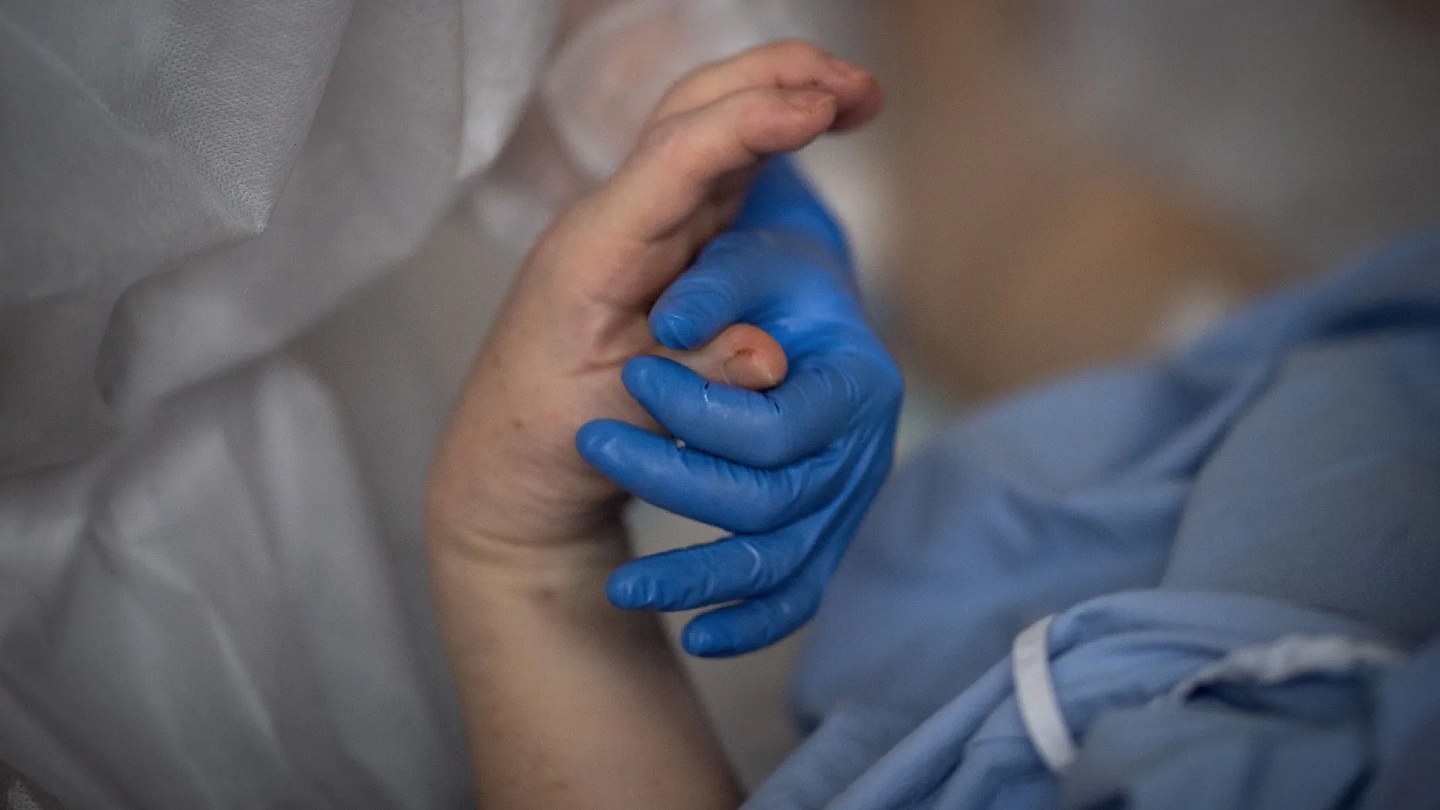

Fátima Santos ate a moqueca prepared with red snapper during lunch at a friend's house. The meal took place on June 27th. About 40 minutes later, she, retired teacher Mirian Carvalho and lawyer Cíntia Carvalho began to feel sick.
The three women needed to be admitted to the ICU. Mirian and Cíntia were discharged and recovering at home, but Fátima remained hospitalized and intubated in a private hospital in Natal, according to TV Ponta Negra, an SBT affiliate. "It was the scariest experience I've ever had in my life. Not only for me, but also seeing my mother by my side suffering a lot," Cíntia told the broadcaster.
The lawyer reported a sharp drop in blood pressure and a weak heartbeat. She also had vomiting, diarrhea, body pain and itching, tiredness and a burning sensation in her hands, feet and mouth.
Mirian bought the frozen snapper at a fishmonger in the neighborhood where she lives. According to her, the food had no changes in smell, appearance or flavor before being prepared. "The fish was delicious, everything was perfect, the aroma was perfect and, 40 minutes later, we were already experiencing symptoms of vomiting and diarrhea", said Cíntia.
Fátima would also have presented neurological changes. Mirian stated that her friend's daughter reported episodes of forgetfulness and changes in behavior. The information was not confirmed by the hospital.
Ciguatera poisoning is suspected. The condition is caused by the consumption of fish contaminated by ciguatoxins, substances produced by marine microalgae and accumulated in the food chain.
The toxin is not eliminated by cooking, freezing or salting. It also does not change the smell, taste or appearance of the fish, which makes it difficult to identify contamination before eating.
Rio Grande do Norte recorded an increase in ciguatera notifications in 2026. As of June 11, the state had recorded 141 occurrences, compared to 88 in the entire year 2025, an increase of 60.2%. Since 2022, there have been 259 notifications, 113 confirmed cases and two deaths, according to Sesap.
Part of the increase may be related to the adoption of compulsory notification this year. Diana Rêgo, Health Surveillance coordinator at Sesap, explained to Bom Dia RN, on Inter TV Cabugi, that the change increased the identification of episodes by health professionals. "This is also a factor that causes us to have this increase in cases, because we sensitize health professionals", said Diana.
Sesap has been monitoring poisonings since 2022 and intensified actions in 2025. The secretariat held meetings with representatives of agriculture and fishing, researchers from universities and fishing colonies to study the occurrence of the toxin on the coast of Rio Grande do Norte.
The first semester usually concentrates the largest number of cases. Among the species most frequently linked to poisoning are the weevil, also known as barracuda, the Arabaiana, the dorado, the red snapper, the white hake, the black grouse, the snapper and the crab.
Natal concentrates more than half of the registrations in the state. The capital accounts for 52.21% of cases, followed by Touros, Ceará-Mirim, Nísia Floresta, Parnamirim and Extremoz.
The first symptoms may appear minutes or up to 48 hours after consuming the fish. Abdominal pain, nausea, vomiting and diarrhea are among the most common gastrointestinal manifestations.
Intoxication can also cause neurological and cardiovascular changes. Itching, numbness, weakness, dizziness, headache and the so-called thermal inversion - when hot appears cold and vice versa - are among the reported signs. Severe cases can cause low blood pressure and reduced heart rate.
Sesap's guidance is to seek medical attention if you experience symptoms after consuming fish. The patient must inform health professionals which fish was consumed and, when possible, preserve frozen leftovers for analysis by the Health Surveillance.
UOL contacted Hospital do Coração and the Health Department of Rio Grande do Norte to update Fátima's situation and confirm the investigation into the episode. The text will be updated if there is a response.
Read Also: Police investigate whether technician had help when trying to kidnap baby in Piauí
Source:
Noticias ao Minuto - Ultima Hora