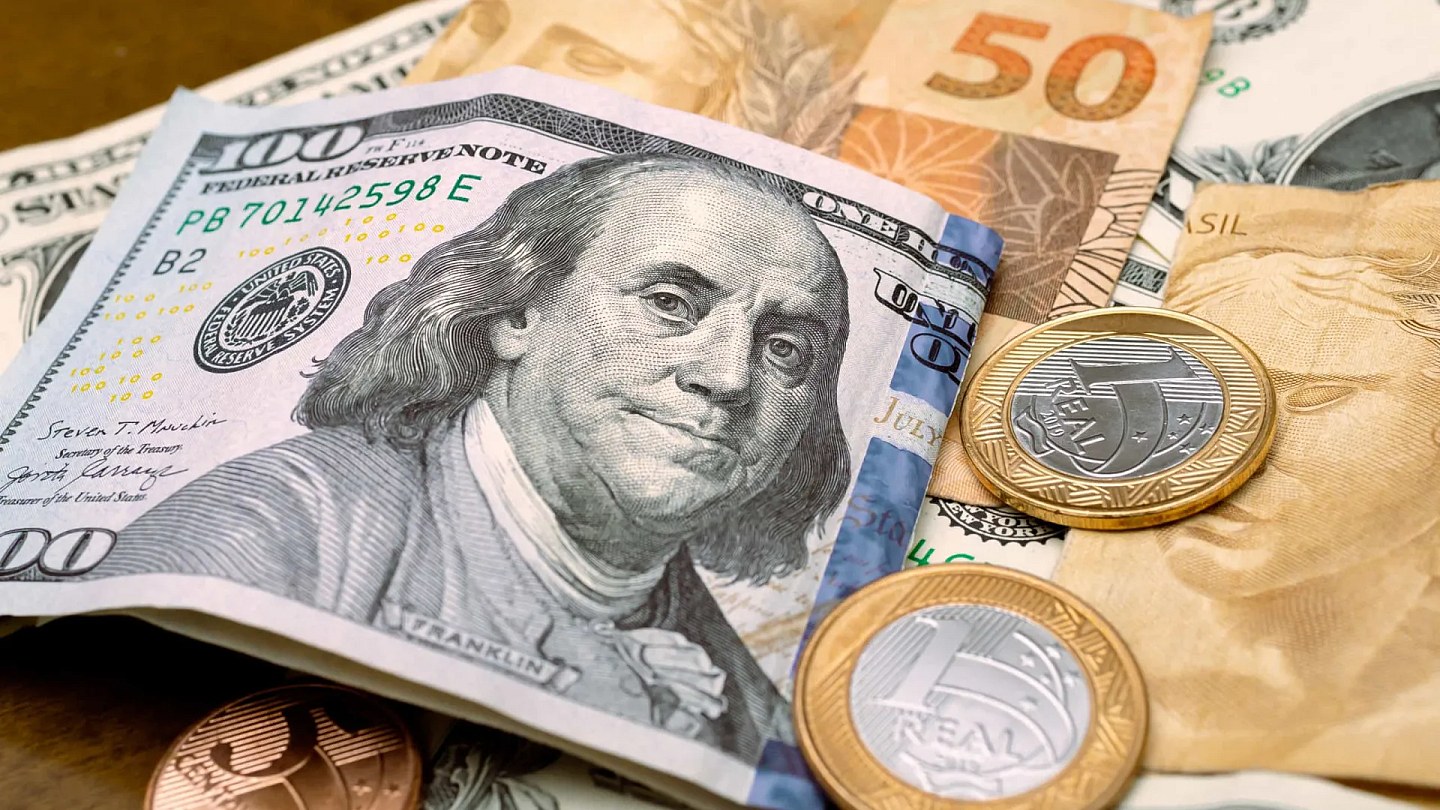
SÃO PAULO, SP (FOLHAPRESS) - The dollar is falling sharply this Tuesday (14), after the release of the CPI (Consumer Price Index), an inflation indicator in the United States, which was lower than expected. The result reinforced the perception that the Federal Reserve (Fed, the American central bank) will have less pressure to raise interest rates in the short term. At 1:42 pm, the US currency fell 1.12%, quoted at R$5.072. The Stock Exchange rose 0.3%, to 176,269 points.
Dollar falls sharply and stock market advances with US inflation below expectations
SÃO PAULO, SP (FOLHAPRESS) - The dollar is falling sharply this Tuesday (14), after the release of the CPI (Consumer Price Index), an inflation indicator in the United States, which was lower than expected. The result...

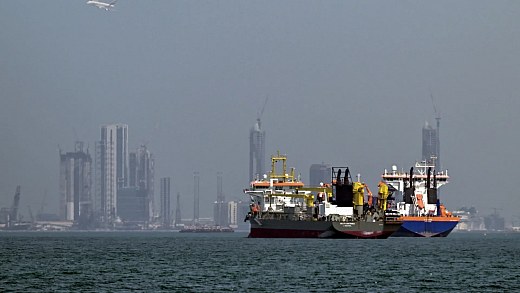
Investors also continue to monitor the effects of the new blockage in the Strait of Hormuz, a maritime route through which around 20% of the world's oil and gas production passes. With the resumption of the conflict between the USA and Iran, oil rose again by more than 5% and has already risen to US$10 this week.
The US CPI fell 0.4% in June, above market expectations, which projected a fall of 0.1%. According to Otávio Araújo, senior consultant at ZERO Markets Brasil, the index slowed down in both the monthly and annual comparisons, approaching 3%, while core inflation (which excludes food and energy) also advanced less than expected.
For the expert, the data indicates that the monetary tightening promoted by the Fed is having an effect, despite the pressure on energy and oil prices.
Araújo states that, for Brazil, the result tends to reduce pressure on the dollar against the real, alleviating local inflation and allowing the Copom to maintain the Selic cuts path.
The result of American inflation also reduced bets on a short-term interest rate hike by the Fed. At the last monetary policy meeting, the central bank maintained the reference rate in the band of 3.5% and 3.75%, but the communication that followed the decision raised fears about the next moves.
The new Fed president, Kevin Warsh, eliminated guidance on the direction of monetary policy, although he reinforced that combating inflation will be a priority. Furthermore, half of the directors of the central bank revealed that they envisage at least one interest rate hike this year.
This Tuesday, in testimony before the Financial Services Committee of the US House of Representatives, Warsh once again stated that he is as committed to the employment mandate as he is to controlling inflation. He also promised to "do his job" if challenged by President Donald Trump — his most direct comment yet on how he would handle the kind of pressure his predecessor, Jerome Powell, faced for much of his term.
With the relief in inflation, the market sees a possible monetary tightening as less urgent. This also reduces the prospect of higher returns on US Treasury bonds, which tends to weaken the dollar against other currencies.
Vitor Kayo, senior economist at Nomad, states, however, that the slowdown in American inflation is mainly due to the one-off drop in energy prices in June, favored by the truce in the conflict in the Middle East. This movement, however, has already begun to reverse with the new escalation of the war and the rise in oil prices.
"The June relief appears to have been temporary, and inflationary pressure should resume in the next readings. The Fed itself had already signaled this caution by pointing to the conflict in the Middle East, the strong demand for investments in artificial intelligence and the effects of trade tariffs as the main factors behind inflationary pressure", he says.
As a result, investors still see a scenario of uncertainty for American monetary policy. Without exact indications about the Fed's next steps regarding interest rates, the expectation is for greater volatility in the markets and more intense fluctuations around the central bank's decisions.
In this scenario, borrowing costs in the United States could also rise, as investors demand a higher premium to compensate for uncertainty about the path of interest rates.
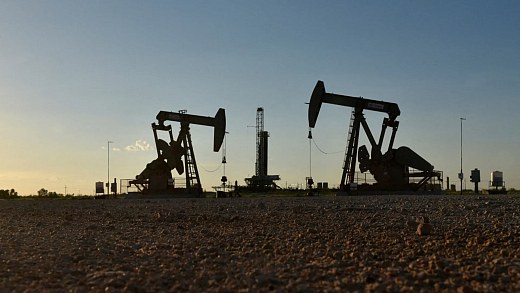
In oil, during the early afternoon, the most traded Brent contract rose around 1.81%, trading at around US$85 per barrel. StoneX Market Intelligence analyst, Bruno Cordeiro, says that the movement reflects the continuity of geopolitical tensions in the Middle East.
During the renewed exchange of attacks with Iran around the Strait of Hormuz, President Donald Trump stated that the United States will resume the blockade of Iranian ships in the sea and that he intends to charge a toll to maintain traffic in the region.
The futures interest rate market also reacted to the CPI, with a drop in part of the curve. The DI rate for January 2028 dropped to 13.96%, down 0.05 percentage points. At the long end of the curve, the DI for January 2035 fell to 14.305%, a drop of 0.08 points.
Read Also: I welcome with optimism the increase in the percentage of ethanol in gasoline to 32%, says Hugo Motta
Source:
Noticias ao Minuto - Ultima Hora