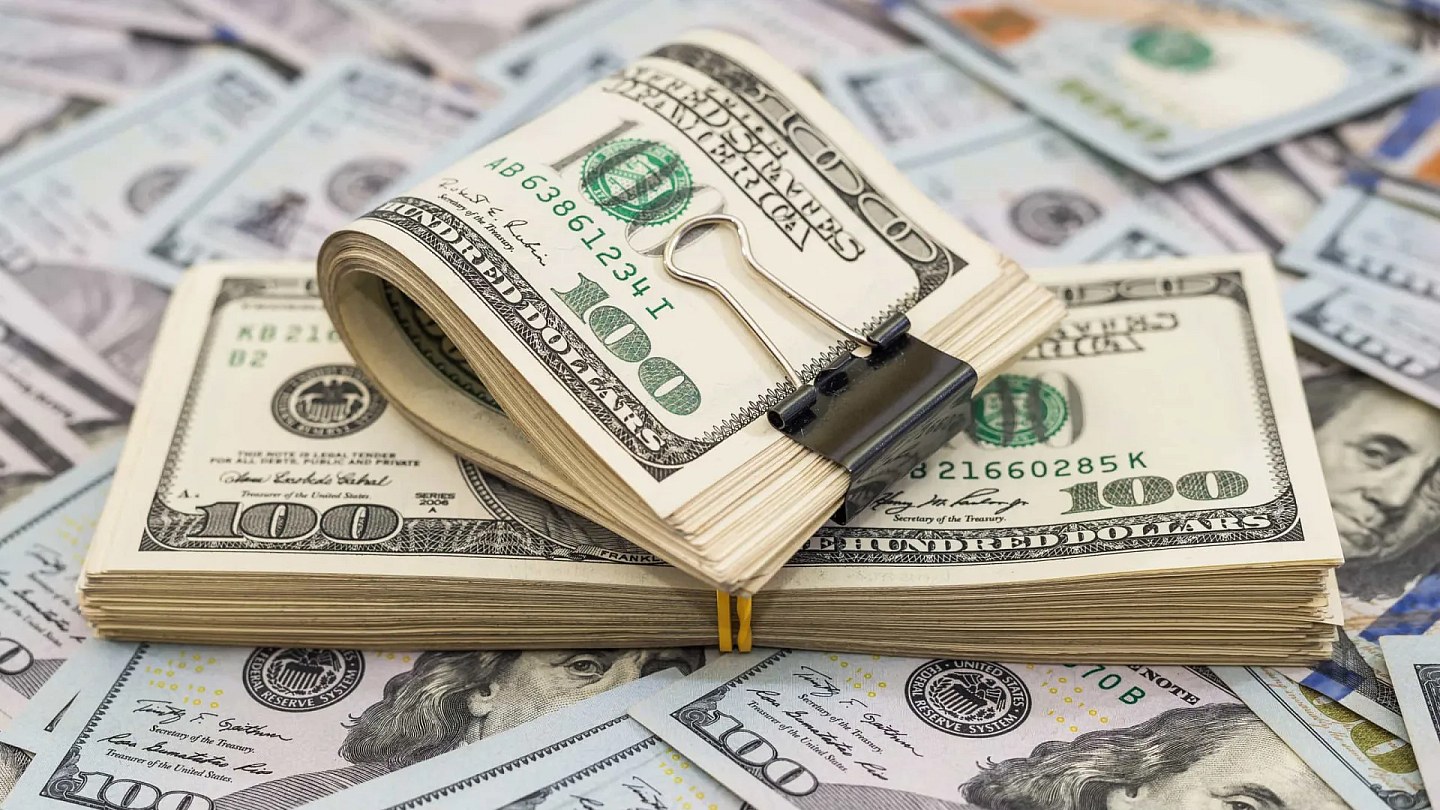
SÃO PAULO, SP (FOLHAPRESS) - The dollar is falling slightly this Tuesday (21), with investors following developments in the conflict in the Middle East and signs of a possible resumption of negotiations between the United States and Iran. At 1:19 p.m., the North American currency fell 0.24%, quoted at R$5.075.
Dollar falls and stock market fluctuates with tension in Iran on investors’ radar
SÃO PAULO, SP (FOLHAPRESS) - The dollar is falling slightly this Tuesday (21), with investors following developments in the conflict in the Middle East and signs of a possible resumption of negotiations between the...
A new exchange of attacks between the two countries keeps markets under pressure. On the other hand, the prospect of mediation and resumption of negotiations helps to reduce risk aversion. In the early afternoon, Brent oil rose 2.01%, trading at US$91 per barrel.
The Ibovespa registered a drop of 0.32%, at 172,806 points. For Otávio Araújo, senior consultant at ZERO Markets Brasil, this Tuesday's session will be guided mainly by geopolitical risk, expectations surrounding the release of Vale's production and sales data for the second quarter and the reading on interest rates, factors that make the Ibovespa more sensitive to changes in mood.
In a trading session devoid of economic indicators, Ibovespa should react mainly to the flow of news and the performance of Petrobras, Vale and banks, which tend to concentrate a large part of the traded volume and help define the direction of the market. According to Araújo, Vale's production and sales data could adjust expectations for the company's balance sheet, scheduled for next week.
At 1:21 pm, the company's shares had an increase of 0.66%.
The expert says that the market expects a strong second quarter for the mining company, although the outlook for the coming months is less favorable due to the expectation of a slowdown in iron ore prices, mainly due to China.
"This has put some pressure on the company's share price, which went from the R$90 per share level to the R$70 range. But, again, the next report should bring positive production numbers", he states.
Regarding the latest events in the Middle East, Iran's Revolutionary Guard stated on Monday (20) that it had struck American military targets in different parts of the region, after another night of US bombings against Iranian cities.
Monday marked the ninth consecutive day of attacks between the two countries. The offensives ended last month's ceasefire, which had provided temporary relief to markets.
The new phase of the conflict has shifted the focus to the sea, especially the Strait of Hormuz, through which around a fifth of the oil consumed in the world passes. Still on Monday, both the United States and Iran signaled their willingness to resume negotiations in search of a truce in the conflict.
A high-ranking Iranian official told Reuters that mediators presented Tehran with a proposal that provides for a ten-day ceasefire so that the parties can try to return to the provisional agreement reached last month.
Donald Trump's administration has also signaled a cautious willingness to begin new negotiations. Washington's head of diplomacy, Marco Rubio, told reporters on Sunday night (19) that "if that door opens, we will be happy to see it open." However, he added that Iran's "behavior needs to change for ours to change as well."
Despite signs of resumption of negotiations, the war continues to expand. Yemen's Houthis, an Iran-aligned group, said they have imposed a naval blockade on Saudi Arabia. The measure opens a new front in the conflict and increases the risks to global energy supplies beyond the Gulf region.
In Brazil, investors are also following the 25% tariff imposed by the United States on Brazilian products, which should come into force this Wednesday (22).
Furthermore, Trump is expected to announce new tariffs on dozens of countries later this week, replacing the 10% global rate that expires at the end of this week. The decision comes despite warnings from his advisors about the economic risks of a new escalation of the trade war.
According to Otávio Araújo, in the domestic scenario the market is also closely following new statements from monetary authorities, looking for signs about the Selic's trajectory, as the next steps of monetary policy could influence both the Stock Exchange and the interest curve.
At 1:35 pm, the DI rate for January 2028 remained stable and was at 14.110%. At the long end of the curve, the DI rate for January 2035 increased 0.03 percentage points, to 14.635%.
At the same time, the ten-year Treasury yield - a global reference for investment decisions - increased by 0.75%, to 4.626%.
On Wall Street, the main indices advanced, indicating a recovery after accumulating losses in the previous three trading sessions, amid uncertainty about investments in artificial intelligence and the conflict in the Middle East.
At 12:25 pm, the Dow Jones rose 0.91%, the S&P 500 advanced 0.84% and the Nasdaq registered an increase of 1.29%.
Read Also: FGTS should distribute R$13 billion in profits to workers; understand who will be entitled
Source: Noticias ao Minuto - Ultima Hora
This story was originally published by Noticias ao Minuto - Ultima Hora. Visit the original publication for further details.
Open original publication