The Chamber of Deputies indicated 1,341 committee amendments totaling R$ 1.3 billion without transparency, similar to the secret budget, about who is the real author only in 2025, according to a report released by Transparência Brasil released this Monday, 13.
Chamber indicates R$ 1.3 billion in amendments similar to the secret budget without citing the author, says study
The Chamber of Deputies indicated 1,341 committee amendments totaling R$ 1.3 billion without transparency, similar to the secret budget, about who is the real author only in 2025, according to a report released by...
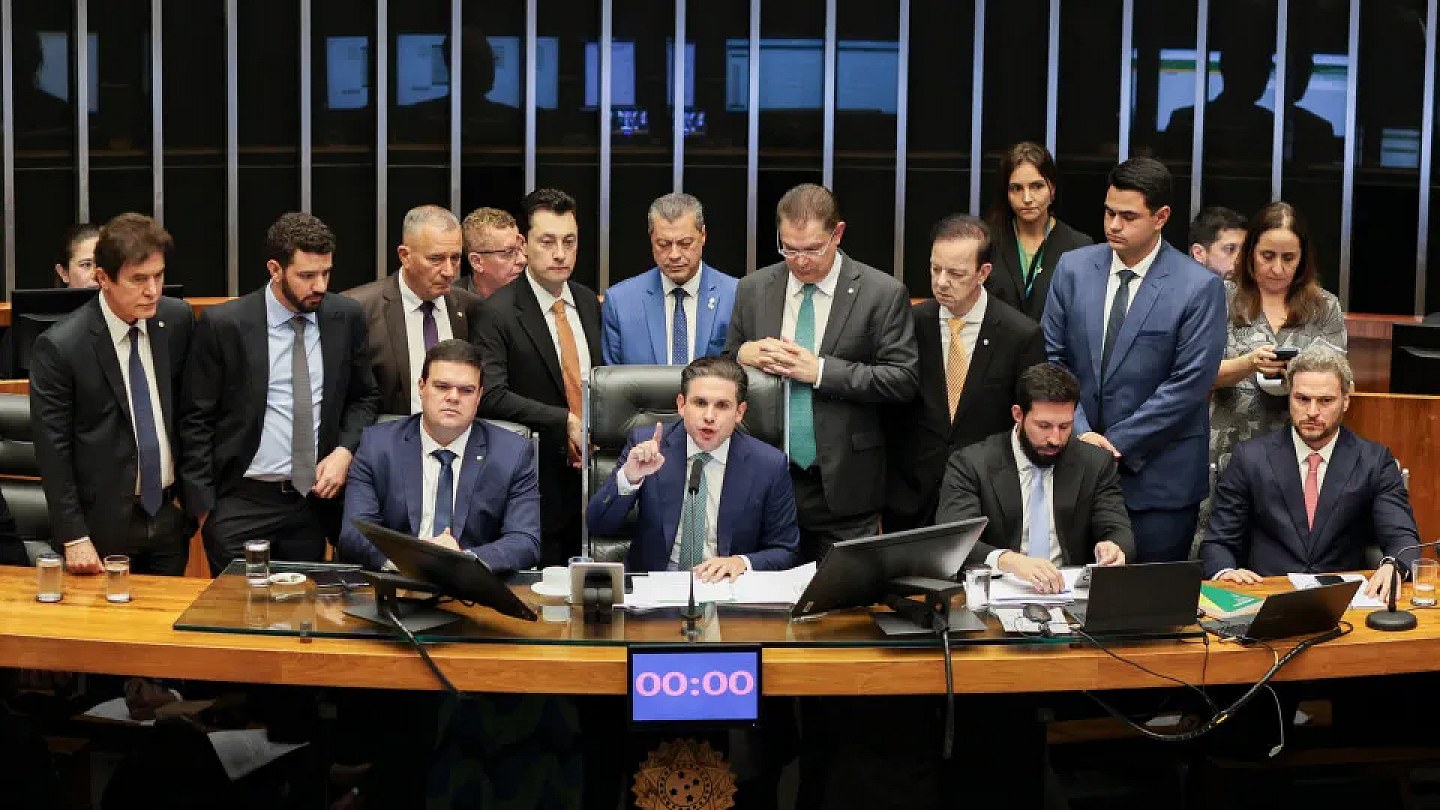

This transfer is reported in the minutes of the party bench meetings - these minutes, however, are unavailable for public access, in contravention of what is provided for in Brazilian legislation.
These amendments without an author receive the signature of the party leadership, without further information about who actually made the nomination. Seven parties made such nominations: PP, União Brasil, Republicans, PL, Avante, Podemos and Solidariedade. The amount is equivalent to 16% of the total commission amendments.
A large part of these so-called "leadership amendments" (R$818.1 million) came from the Health Commission, dominated by the PL, a party chaired by Valdemar Costa Neto, who has no mandate as either a deputy or a senator.
Valdemar is accused of participating in a suspected scheme of embezzling R$119 million in amendments and had this same amount blocked in assets by order of the Minister of the Federal Supreme Court (STF) Flávio Dino.
According to the Federal Police investigation, the PL leader had used employees from the Chamber of Deputies to direct resources inherited from the secret budget to himself, a case revealed by Estadão in May 2021.
Estadão showed that three PL parliamentarians appear as authors of the suspicious parliamentary amendments: Sóstenes Cavalcante (RJ), leader of the party in the Chamber, Luiz Carlos Motta (SP) and Captain Alden (BA).
On Sunday, the 12th, Dino ordered the blocking of former deputy Eduardo Cunha's assets up to the limit of R$6 million, an amount that, according to the PF, the former parliamentarian would have allocated, through 21 parliamentary amendments, to municipalities in Minas Gerais, even without a mandate.
In 2026, with the exception of Solidariedade, all parties indicate the so-called "leadership amendment", including the PT, by President Luiz Inácio Lula da Silva. To date, there have been R$378.8 million in amendments without identifying the real authors.
The same study also identified that the process of executing commission amendments (whether they are authored by duly identified parliamentarians or by the party) makes it impossible to fully trace the resources, from indication to execution, due to the absence of a unique identifier for each indication of final beneficiary.
As a result of the lack of transparency, the study was unable to identify the entities or social organizations that would benefit from R$821 million in commission amendments committed in 2025.
A large part of these R$821 million in amendments was directed to direct execution, mostly to the Companhia de Desenvolvimento dos Vales do São Francisco and Parnaíba (Codevasf), the National Department of Works Against Droughts (Dnocs) - these two calls that the study points out are known as "Centrão state-owned companies" - and the regional superintendencies of the Ministry of Agriculture and Livestock.
Committee amendments are resources indicated by the House and Senate committees in the Union Budget. After the end of the secret budget, they grew and inherited the scheme. The government releases the money, but the name of the parliamentarian who indicated the funds does not appear.
At the end of 2024, minister Flávio Dino ordered the blocking of committee amendments and the adoption of transparency rules, including the mandatory identification of the names of parliamentarians responsible for each nomination.
In the most recent decisions, Dino reinforced that the indication of an amendment can be presented by a party leadership, but this formality does not exempt the Chamber from identifying who is the parliamentarian responsible for each transfer.
The minister stated that Congress must register, individually, the name of the deputy who negotiated and requested the sending of the funds, and not just that of the leadership who filed the nomination.
The Transparência Brasil study, however, indicates that the commission amendments continue to work with "similar logic" to the secret budget.
"The findings of this study demonstrate that a high degree of opacity regarding commission amendments still persists and that, among these resources, the indications linked to leadership operate with a logic similar to the extinct secret budget. It is noteworthy that in 2022 the Federal Supreme Court considered the amendments of the general rapporteur of the budget unconstitutional, and from then until 2025 the volume paid in commission amendments grew 68 times", he says.
The entity recommends the creation of a unique ID for each indication of commission amendments and their registration in the Union's budget execution systems and the extinction of "leadership amendments", "because they reproduce practices already recognized as unconstitutional in the secret budget, with immediate interruption of payments until the real authors are identified".
"The 'leadership amendments' - commission amendments whose nomination is associated with party leaders - operate in a logic similar to the secret budget. The real parliamentary authors are not identified and linked to the execution of the resources. The dispersion of these amendments across beneficiaries from different states, unlike individual nominations by party leaders, reinforces the existence of hidden authors", says the study.
Unlike what happens in the Chamber, the Senate informs the authoring parliamentarian for all its committee amendments.
Read Also: BTG/Nexus: 50% say they would not vote for Flávio Bolsonaro at all
Source:
Noticias ao Minuto - Ultima Hora