Brazil recorded 12.7 million hectares burned in 2025, a 31% reduction compared to the historical average, which is 18.4 million hectares annually. The result also corresponds to almost half of the area reached in 2024.
Burned area in Brazil is 31% below the historical average in 2025
Brazil recorded 12.7 million hectares burned in 2025, a 31% reduction compared to the historical average, which is 18.4 million hectares annually. The result also corresponds to almost half of the area reached in 2024....
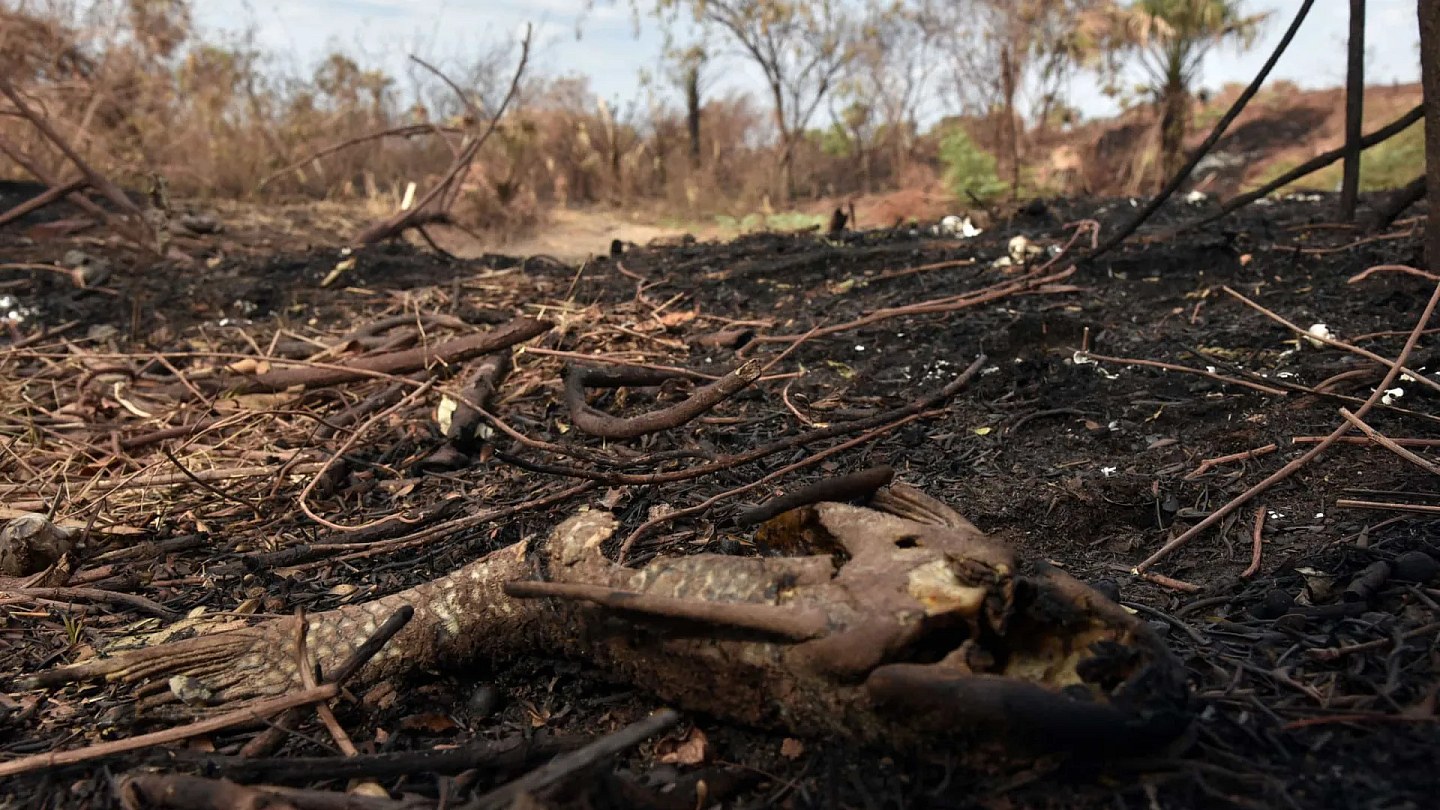
The data is part of the second edition of the Annual Fire Report in Brazil, released by MapBiomas, which brings together information on the areas burned in the country between 1985 and 2025.
According to the survey, the area burned last year interrupted a sequence of expansion, with the fall in the Amazon as the highlight and main factor for the reduction.
After reaching, in 2024, the largest burned area in the historical series, with 15.8 million hectares, in 2025 the biome recorded the lowest mark in the last 41 years: 3.1 million hectares.
Despite this, the Amazon and Cerrado continue to concentrate most of the burned areas in the country. Together, the two biomes account for 86% of the entire area affected by fire since 1985.
The Cerrado remained the biome most affected by fires in 2025, with 8.7 million hectares burned. The Pantanal presented the largest proportional reduction among all biomes, with only 121 thousand hectares burned, a drop of 85.6% in relation to the historical average. The Caatinga was the only biome that recorded an area burned above the average in the year, with 505 thousand hectares.
According to the director of Science at the Amazon Environmental Research Institute (Ipam) and coordinator of MapBiomas Fogo, Ane Alencar, the historical series allows us to understand changes in the behavior of fires over time:
“Knowing where fire recurs, how often it returns, what its potential severity is and which areas are burning more or less is essential to define priorities, guide preventive actions and implement, more efficiently, the National Integrated Fire Management Policy.”
Recurrence
The report also presents, for the first time, indicators on the potential severity of the fires (low, moderate, high, very high or extreme) and the fire return interval (number of years between occurrences in the same area).
When considering the entire country, 64% of the burned area had moderate or low severity. However, in the specific analysis by biome, Atlantic Forest, Pampa and Pantanal, half or more than half of the burned area was with high and very high severity.
The data also shows that 64% of the entire area burned in the country since 1985 was hit by fire more than once. Among these areas, more than half burned again within four years.
The Amazon had the lowest recurrence intervals. According to the survey, 31.6% of the burned areas in the biome caught fire again within two years. MapBiomas Fogo researcher, Luiz Felipe Martenexen, explains that the type of vegetation influences the intensity and frequency of fires.
"In the Amazon, where vegetation is not adapted to fire, such short intervals between events reduce the forest's recovery time and increase the risk of new, more intense and degrading fires. This process can progressively compromise regeneration and make the forest increasingly vulnerable to fire," said Martenexen.
In the Cerrado, 66% of the entire area burned since 1985 has suffered more than one fire episode. According to researcher Vera Laísa Arruda, from MapBiomas and the Amazon Environmental Research Institute (IPAM), the increase in the frequency of fires could compromise regeneration.
"In the Cerrado, fire is part of the natural dynamics of the biome, but the current incidence, marked by more frequent and extensive events, may exceed the vegetation's ability to recover. When this regime intensifies, the risks of biodiversity loss and degradation of the biome increase", said Vera Laísa.
States
The survey shows that Mato Grosso, Pará and Maranhão accounted for 47% of the entire area burned in Brazil since 1985. The three states accumulated, respectively, 45.1 million, 31.6 million and 20.7 million hectares burned in the period.
At the municipal level, 11% of the entire area affected by fire in the country is concentrated in just 15 municipalities. Corumbá (MS) and São Félix do Xingu (PA) lead the historical ranking.
Vegetation
According to the report, 71.5% of the entire area burned between 1985 and 2025 occurred in native vegetation, while 28.5% affected areas where there are human activities, such as pastures and agricultural areas.
The distribution, however, varies between biomes. In the Amazon and the Atlantic Forest, fire occurs predominantly in areas modified by human action, mainly pastures.
In the Caatinga, Cerrado, Pantanal and Pampa, more than 80% of the burned areas correspond to native vegetation.
Read Also: Anvisa approves pediatric medicines for lupus and multiple sclerosis
Source: Noticias ao Minuto - Ultima Hora
This story was originally published by Noticias ao Minuto - Ultima Hora. Visit the original publication for further details.
Open original publication