Between 41 and 43 million people participated in the seven days of funeral ceremonies for the former supreme leader of Iran, Ali Khamenei, in five cities in Iran and Iraq, culminating on Thursday (9), with the burial in Mashad.
43 million people participated in Khamenei's funeral ceremonies
Between 41 and 43 million people participated in the seven days of funeral ceremonies for the former supreme leader of Iran, Ali Khamenei, in five cities in Iran and Iraq, culminating on Thursday (9), with the burial in...
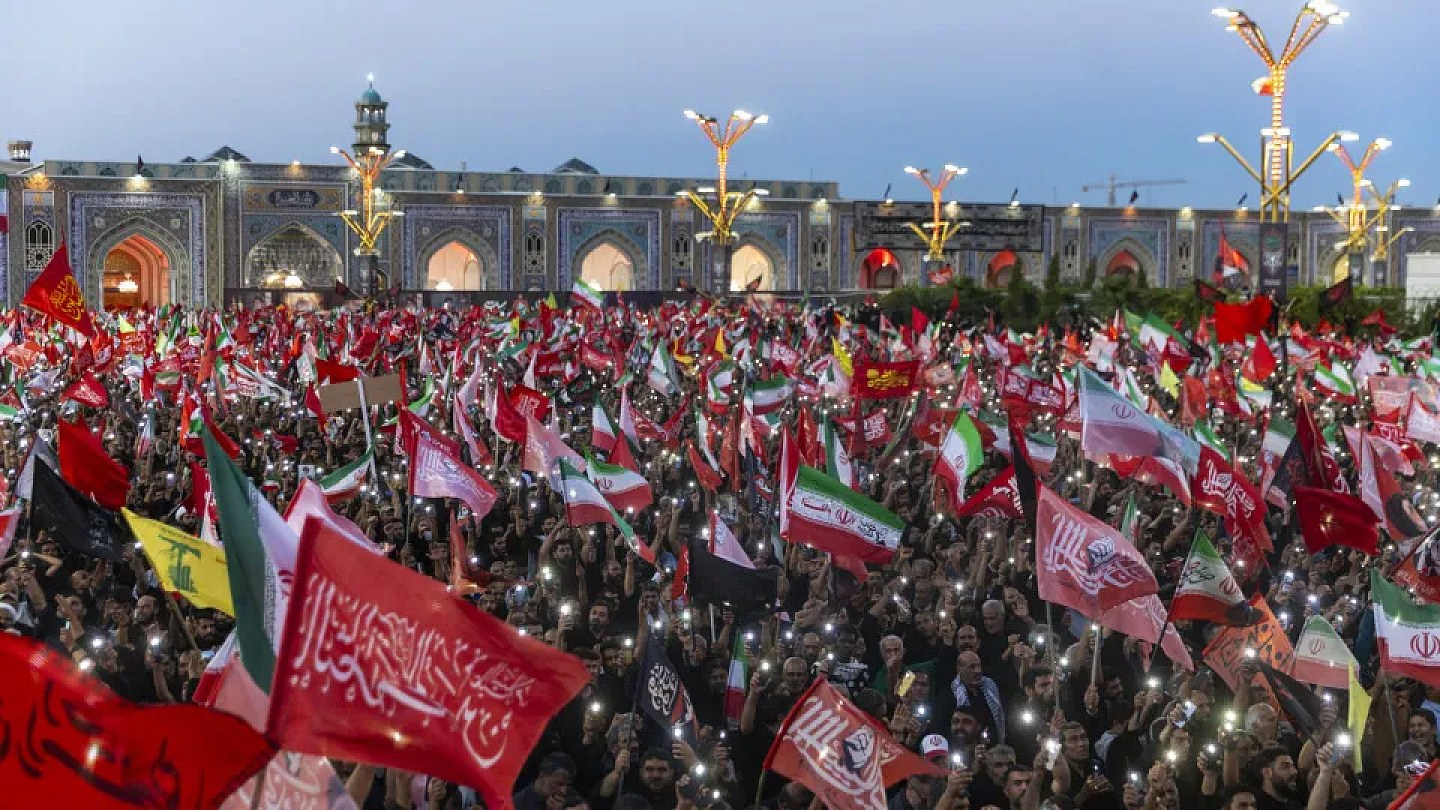
The Fars news agency, linked to the Iranian Islamic Revolutionary Guard Corps, estimated "that the total number of participants was between 41 and 43 million, approximately", an estimate it arrived at using what it classified as data from "official sources".
Sources include public transport statistics, the number of active telephones in the Mosala mosque in Tehran --- where the coffin remained for two days --- and along the route of the funeral procession in the capital, as well as the volume of the crowd in this procession in the capital, added to that recorded in Qom and the holy city of Mashad, among others.
In neighboring Iraq, it is estimated that more than 10 million people took part in Khamenei's funeral procession on Wednesday in the provinces of Najaf and Karbala, according to a statement from the office of Iraqi Prime Minister Ali al Zaidi, who classified the numbers as "preliminary statistics".
Iranian authorities have not released official data on public participation in the ceremonies that brought together crowds, but throughout the different days a huge crowd gathered to say their final goodbyes to the religious leader.
Khamenei was killed on the first day of the war launched by the United States and Israel against Iran, on February 28, after having governed the country for more than 36 years with an iron fist.
The funeral processions included, in addition to Khamenei's coffin, those of four family members killed in the same attack, including the 14-month-old granddaughter and the wife of his son and successor, Mojtaba Khamenei, who did not attend the funerals.
The Islamic Republic's new highest political and religious authority has not been seen in public or on video since his appointment on March 8.
With these large-scale funerals, the Islamic Republic seeks to project power, unity and reaffirm itself after the war, after a context of public discontent due to the country's poor economic situation, which provoked extensive popular protests in January.
Read Also: Israel says it warned US about Iran's plan to assassinate Trump
Source: Noticias ao Minuto - Mundo
This story was originally published by Noticias ao Minuto - Mundo. Visit the original publication for further details.
Open original publication