SÃO PAULO, SP (FOLHAPRESS) - The Minister of Labor and Employment, Luiz Marinho, stated this Tuesday afternoon (4) that it is necessary to end betting or ban games as a way of protecting workers against illness caused by addiction. A report by Folha de S. Paulo showed that ludopathy -gaming addiction- has already reached companies, affecting productivity, causing sick leave and bringing higher costs in layoffs.
Minister defends banning bets in Brazil to contain illnesses at work
SÃO PAULO, SP (FOLHAPRESS) - The Minister of Labor and Employment, Luiz Marinho, stated this Tuesday afternoon (4) that it is necessary to end betting or ban games as a way of protecting workers against illness caused...
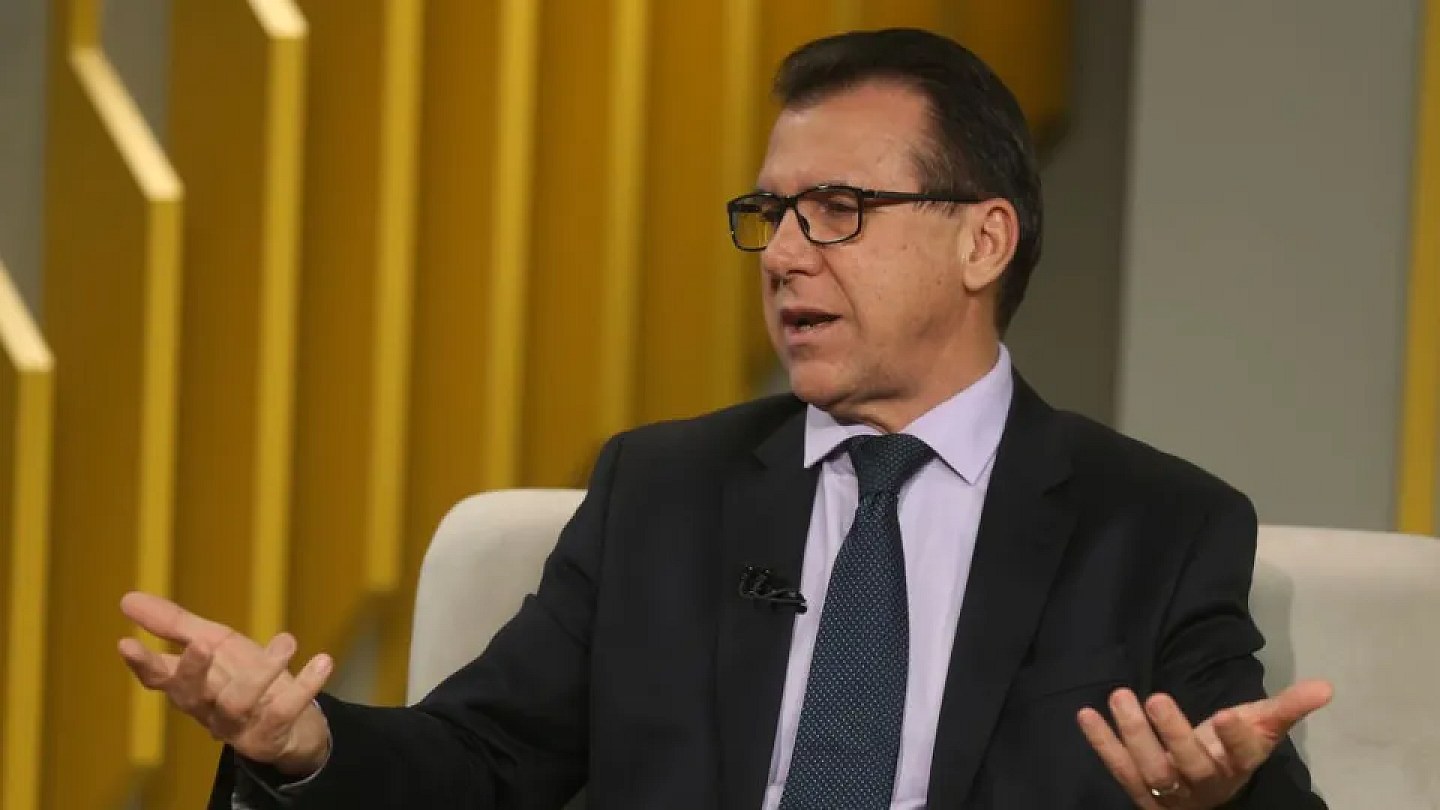
According to Marinho, if society has already realized that betting is harmful, there should be pressure on Congress so that this type of gambling ends or is banned. "It's right to prohibit it, it's to end it, because if it's causing illness, impoverishment and debt, it's a serious problem," he told the reporter at the Summit Mulheres Profissões, in São Paulo (SP).
The minister participated in the panel "On the couch with Luiza: decisions that move Brazil" with Luiza Trajano, owner of Magalu and organizer of the event, Tarciana Medeiros, president of Banco do Brasil, Márcia Lopes, minister of Women, and Pedro Teixeira, minister of Micro and Small Businesses.
"You have to nip the evil in the bud and nip the evil in the bud is to prohibit it in Brazil, and for that you need a law. But the one who can create and decide is the National Congress," he stated.
For Marinho, the updates to NR-1 (Regulatory Standard 1), which requires companies to map psychosocial risks at work, could be a way to help combat workers' illness, both in terms of betting addiction and mental illness.
He states that MTE inspectors are carrying out visits and giving guidance to employers so that measures against psychosocial illnesses can be implemented, but criticized businesspeople who went to the STF (Supreme Federal Court) to extend the period within which the ministry can start fining anyone who is not complying with the rule.
"We are instituting, based on NR-1, the entire process of analyzing the labor market and the environment. We demand responsibility from employers. Now what do employers, the various segments of the economy, do? They go to the Federal Supreme Court to not implement the NR", he said.
Marinho also said that, in his opinion, there is no problem in spending more time without imposing fines on companies, as long as they make progress in implementing the measures provided for in NR-1, when talking about the process being carried out in the STF, in which Minister André Mendonça extended by 90 days the period in which the MTE cannot fine companies for not implementing the measures.
According to the minister, the STF's decision did not suspend the rule, it only postponed the start of assessments, which will mean that, during this period, the focus will be on dialogue between the government and employers so that companies adopt processes to prevent psychosocial risks.
"The Supreme Court did not prohibit the NR, it prohibited the assessment. There is a deadline for dialogue. I hope that companies take the time to understand the processes and implement them, and do not work to prevent implementation. The objective is to think about the care of each worker and each worker", he said.
Marinho stated that the increase in absences due to mental health problems and gambling addiction reinforces the need to adopt the measures provided for in the standard. For him, the work environment needs to incorporate illness prevention policies.
He also related the topic to the debate about the end of the 6x1 scale. According to the minister, the delay in discussing changes to working hours contributes to maintaining a model that favors illness in the job market, whether linked to betting or for other reasons.
"There is a process of pushing the end of the 6x1 scale with your belly, which is another problem of illness in the job market. It is important that the responsible authorities take on this responsibility", he stated.
Regarding the 90-day period granted for negotiation, Marinho said that it will be up to Minister André Mendonça, responsible for the case at the STF, to evaluate, at the end of the period, the information presented by the government and companies before deciding the next steps.
He argued that the dialogue results in an effective commitment from employers to implementing the measures. For the minister, even if the period without fines is extended for a few more months, the important thing is that the changes are being put into practice.
"I have no problem if the minister decides that, during the next six months, for example, there will be no fines. But companies need to demonstrate that they are implementing the processes gradually. Down the road, those who are not doing this will be due to a lack of will, and then it makes sense to start fines for those who simply did not want to comply with the rules", he stated.
Source: Noticias ao Minuto
Next recommended read
This story was originally published by Noticias ao Minuto. Visit the original publication for further details.
Open original publication
