Some habits that are often presented as essential for health do not have the same effect on everyone. In many cases, its usefulness depends on routine, diet, level of physical activity and individual needs.
5 habits considered healthy that may not be so beneficial
Some habits that are often presented as essential for health do not have the same effect on everyone. In many cases, its usefulness depends on routine, diet, level of physical activity and individual needs. In the...
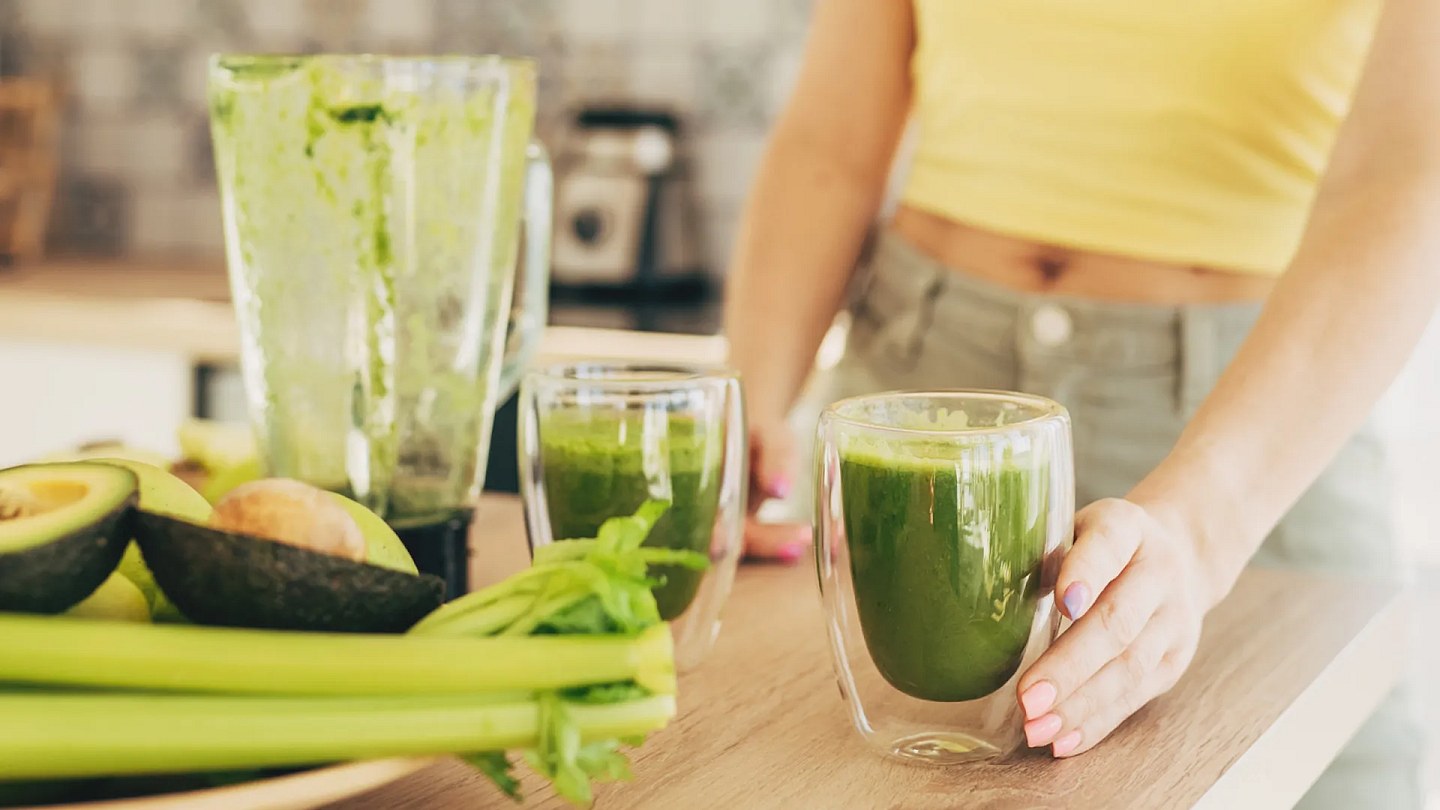
In the British newspaper Metro, nutritionist Isabelle Nunn analyzed practices that are usually treated as rules, but that do not find enough support to be adopted automatically.
1. Breakfast is not necessarily the main meal of the day
The importance of breakfast varies from person to person. For some, the meal helps maintain energy and control hunger throughout the day. Others adapt well to different schedules, as long as they maintain a balanced diet suited to their own needs.
More important than establishing a meal as mandatory is observing the general quality of the diet and the body's response.
2. Detox diets are not necessary after periods of overeating
The liver and kidneys naturally participate in the processing and elimination of substances from the body. Therefore, restrictive juice-based diets are not necessary to “detoxify” the body after vacations, parties or periods of unbalanced eating.
The recommendation is to gradually resume a routine with varied meals, adequate hydration and quality sleep, without resorting to extreme restrictions.
3. Apple cider vinegar should not be treated as a fat burner
Apple cider vinegar is often associated with weight loss, but there is no consistent evidence that the product causes significant fat burning.
It can normally be used to prepare sauces and recipes, but does not replace changes in diet, physical activity or professional support when necessary.
4. Electrolytes are not essential in any exercise
Drinks with electrolytes may be helpful after prolonged, intense activity, excessive sweat loss, or episodes of vomiting and diarrhea. For light or moderate exercise, however, water and a balanced diet usually meet most people's needs.
The ideal amount of fluids varies depending on climate, weight, physical activity and health status. Part of hydration is also obtained through food, especially fruits, vegetables and legumes.
5. Higher doses of supplements do not mean better results
The choice of supplements should consider individual needs and, when possible, be guided by a healthcare professional. Products with high doses may be unnecessary and, in some cases, cause adverse effects.
It is also recommended to check the composition, nutrient absorption capacity and the presence of sugars, sweeteners or other additives.
Foods that deserve attention for breakfast
Although there is no single ideal combination for the first meal of the day, some products may offer less nutritional value or concentrate sugar, sodium and additives. This does not mean that they need to be eliminated by everyone, but that consumption must be evaluated within the overall diet.
Orange juice
The whole fruit preserves fiber, which helps slow the absorption of sugars and increases satiety. In juice, especially when several oranges are used, sugar intake occurs more quickly and concentrated.
This doesn't necessarily make the drink prohibited, but consuming the whole fruit is usually a more balanced option.
Products rich in sugar
Cakes, cookies, sugary cereals and sweetened drinks can quickly increase your sugar intake and provide little satiety. Frequent consumption of these products should be moderate, especially when they replace more nutritious foods.
Breakfast can include sources of protein, fiber, good fats, fruits and less processed carbohydrates, according to each person's preferences and needs.
Sausages
Ham, salami, turkey breast, bologna and other processed products often contain large amounts of sodium, preservatives and other additives.
Occasional consumption may be part of your diet, but these items should not automatically be considered healthy sources of protein. The ideal is to alternate them with less processed options, such as eggs, cheese in moderate quantities, natural yogurt or preparations based on legumes.
The 'superfood' that costs little and offers 4 great benefits
Present in practically any supermarket, this food often goes unnoticed, but it brings together nutrients that can bring important health benefits, according to studies and experts.
Source: Noticias ao Minuto - Lifestyle
This story was originally published by Noticias ao Minuto - Lifestyle. Visit the original publication for further details.
Open original publication