Far beyond a fashion accessory, sunglasses play an important role in protecting the eyes against the effects of ultraviolet (UV) radiation. Despite this, there are still many mistaken beliefs on the subject, from the idea that darker lenses provide more protection to the idea that the accessory is only necessary on intensely sunny days.
7 myths about sunglasses that can put your eye health at risk
Far beyond a fashion accessory, sunglasses play an important role in protecting the eyes against the effects of ultraviolet (UV) radiation. Despite this, there are still many mistaken beliefs on the subject, from the...
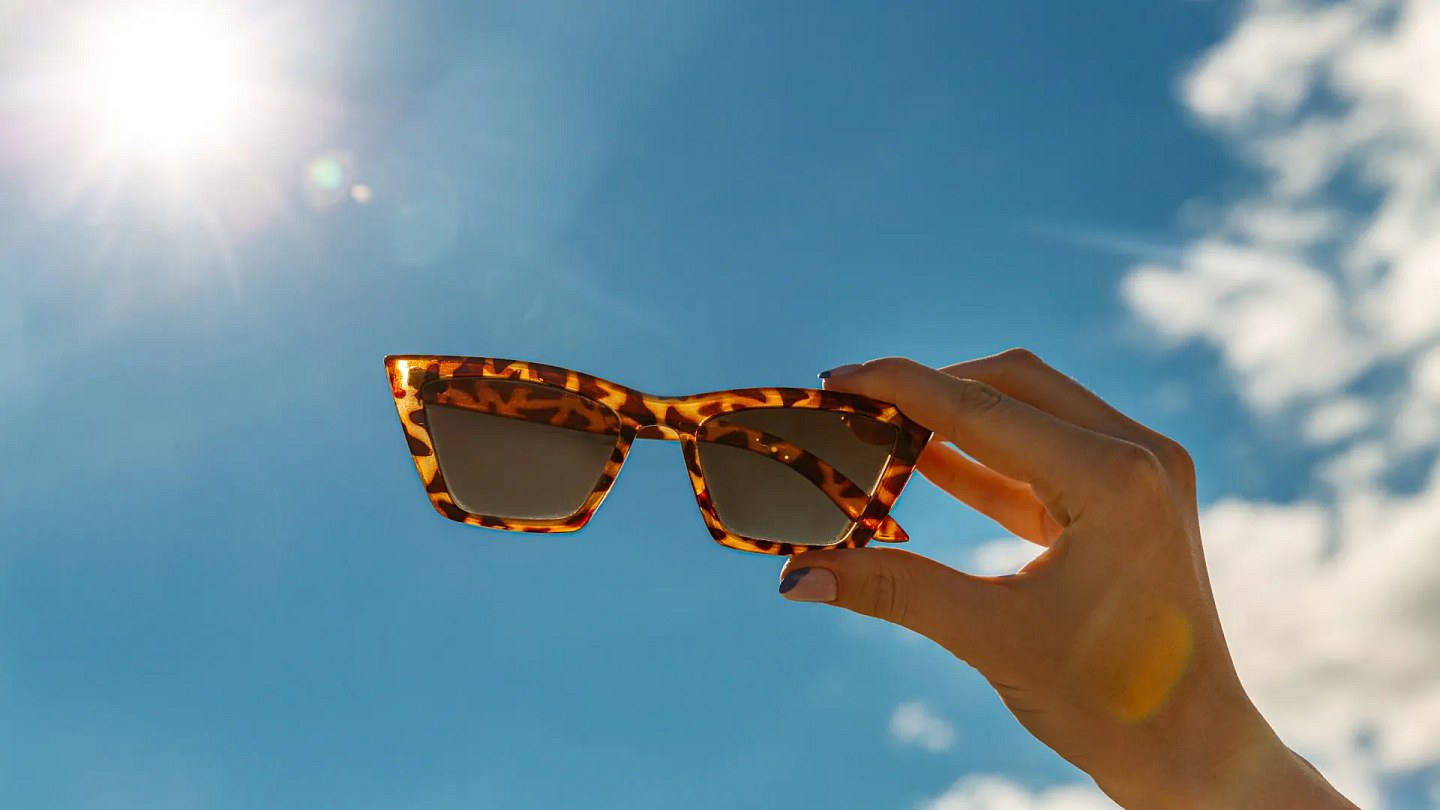
Experts from Optik Melawai and Opticare have brought together the main myths about sunglasses and clarified what really matters to preserve eye health.
1. The darker the lens, the greater the protection
Myth. The tint of the lens does not determine its ability to block ultraviolet rays.
According to experts, dark lenses without an adequate UV filter may even pose a greater risk. This is because they dilate the pupils, making it easier for radiation to enter the eyes.
When purchasing, the most important thing is to check whether the glasses offer full protection against UVA and UVB rays, regardless of the color of the lens.
2. Sunglasses are only necessary on sunny days
Myth. Even when the sky is overcast, UV rays continue to penetrate the clouds and can cause damage to the eyes.
Additionally, surfaces such as water, sand and snow reflect solar radiation, increasing exposure. Therefore, the recommendation is to wear glasses with UV protection whenever there is exposure to the external environment.
3. The only function of sunglasses is to protect from light
Myth. Protection goes beyond the sun's rays.
Glasses also help protect your eyes against wind, dust and small particles that can cause irritation or injury. Another benefit is the reduction of excessive glare, which improves visual comfort in activities such as driving and playing outdoor sports.
4. Children don't need to wear sunglasses
Myth. Children's eyes are even more sensitive to the effects of ultraviolet radiation.
As children's lenses are more transparent, a greater amount of radiation reaches the retina. Excessive exposure from an early age can increase the risk of eye diseases throughout life. Therefore, experts recommend that children also wear glasses with adequate UV protection.
5. Polarized lenses offer extra UV protection
Myth. Polarization and ultraviolet protection are different characteristics.
Polarized lenses reduce light reflection from surfaces such as water, asphalt and glass, improving visibility. However, they only protect against UV rays when they also have a specific filter for this purpose.
6. The size of the frame does not interfere with protection
Myth. Larger models tend to protect better.
Glasses with wide lenses or a wraparound shape make it difficult for radiation to enter from the sides, offering more efficient coverage of the eye area.
7. Cheap glasses protect less than expensive ones
Myth. The price does not determine the quality of protection.
As long as the product reports 100% protection against UVA and UVB rays, it can offer the same level of safety as more expensive models. Before purchasing, it is recommended to check whether this information is specified by the manufacturer.
12 benefits of grapes that can make a difference to your health
Available almost all year round, grapes contain water, vitamins, minerals and antioxidants associated with heart health, hydration, memory, sleep and strengthening the body's defenses.
Source: Noticias ao Minuto - Lifestyle
This story was originally published by Noticias ao Minuto - Lifestyle. Visit the original publication for further details.
Open original publication