The Brazilian Association of Meat Exporting Industries (Abiec) warned that the sector may not be able to comply, within the deadline, with the new European Union requirements related to the use of antimicrobials in animal production.
Businessmen admit the risk of Brazil ceasing to export meat to the EU
The Brazilian Association of Meat Exporting Industries (Abiec) warned that the sector may not be able to comply, within the deadline, with the new European Union requirements related to the use of antimicrobials in...
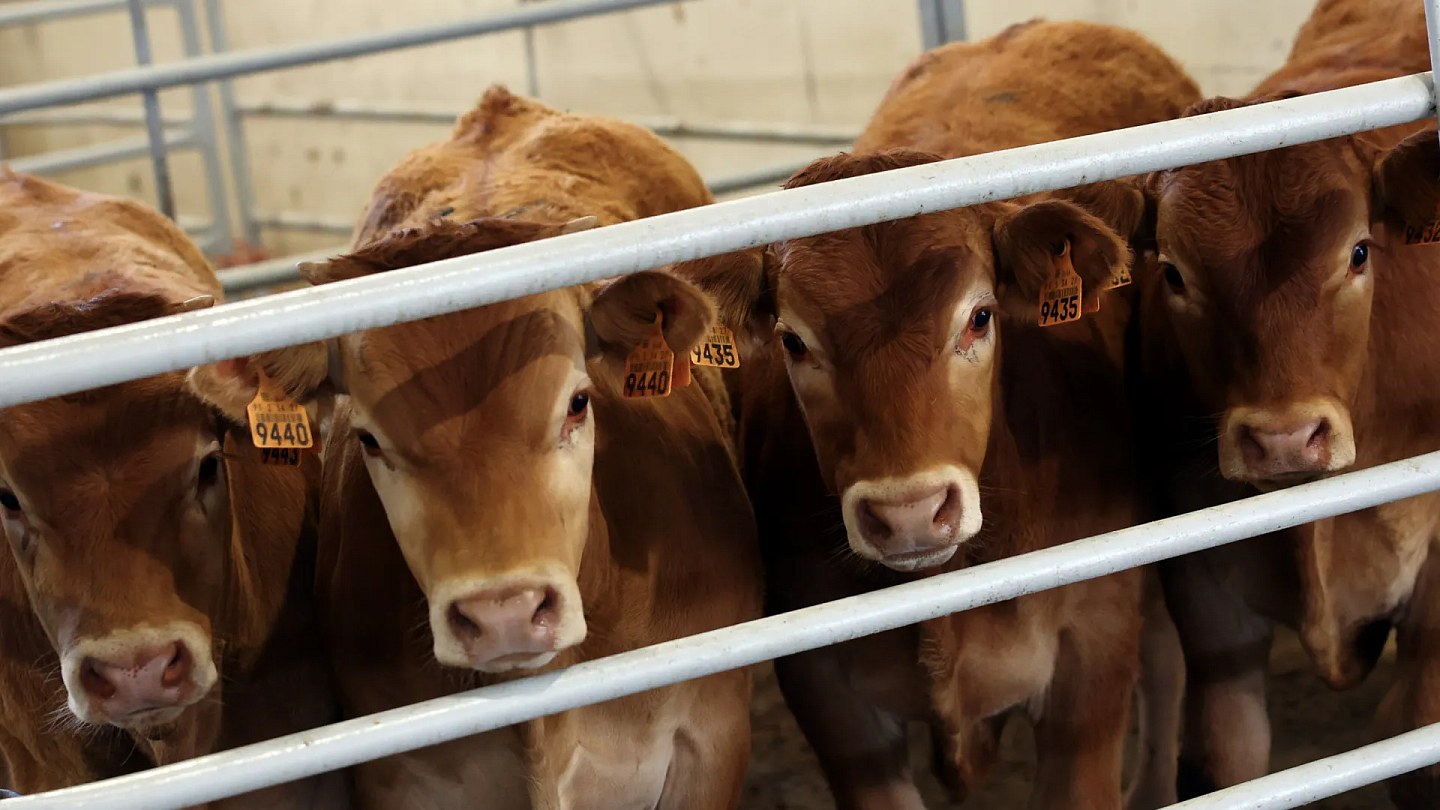
According to the entity's president, Roberto Perosa, adapting to European health rules would take around 30 months. As a result, there is a risk that Brazil will temporarily lose access to the bloc's market from September onwards.
“There is a great possibility that we will not be able to sell any more to the European Union from September onwards and will have an adaptation period”, said Perosa during a press conference.
In May, the European Union removed Brazil from the list of countries authorized to export products of animal origin intended for human consumption. The decision will come into force on September 3, 2026.
The European Commission justified the measure by claiming that Brazil does not meet the requirements on controlling the use of antimicrobials throughout the life cycle of animals intended for export.
Although it only represents between 5% and 6% of the revenue obtained by Brazil from beef exports, the European market is considered strategic by the sector.
According to Perosa, the bloc's countries buy specific cuts with higher added value, in addition to exerting influence on prices charged in the Brazilian market and on the image of national meat abroad.
"It is a small market in volume, but with a lot of added value and which buys unique cuts. Furthermore, it is important in setting prices in the domestic market and in the international reputation of Brazilian protein", he declared.
Abiec also fears that other countries will adopt restrictions similar to those imposed by the European Union. If this happens, the losses for Brazilian exports could be even greater.
Last week, official documents obtained by the Lusa agency showed that the Brazilian government attributed part of the responsibility for the country's exclusion from the European list to companies in the sector.
In a response sent to the National Congress, the Ministry of Agriculture and Livestock stated that adaptation to the new rules depended, to a large extent, on the actions of Brazilian companies.
According to the ministry, over three years letters were sent, technical meetings were held and several requests were made for entities to present proposals capable of meeting the European Commission's requirements.
The documents also point out that European authorities criticized the recurring lack of complete information sent by Brazil between 2023 and 2026.
Asked about the government's position, Roberto Perosa avoided discussing the division of responsibilities.
“The time is to look forward”, he replied.
In addition to the impasse with the European Union, the beef sector faces difficulties in the Chinese market, the main destination for the Brazilian product.
In 2025, Brazil sold around 1.7 million tons of beef to China. However, a new quota set by Beijing limited shipments to 1.106 million tonnes. The authorized volume has already been fully used this month.
With the quota exhausted, the import tariff charged on Brazilian meat rises from approximately 12% to 67%, due to the application of a 55% surcharge.
According to Perosa, the reduction in shipments to China led the sector to revise its export projections downwards. The director also stated that many companies are already operating with negative results.
Restrictions abroad could also affect meat prices in Brazil. The expectation is for an initial drop, caused by the increase in supply on the domestic market. From September onwards, however, values ??may rise again, given the forecast reduction in cattle slaughter.
Understand the Reciprocity Law, which Brazil can adopt against the USA
The law, sanctioned on April 11, 2025, was also motivated by decisions by the President of the United States, Donald Trump
Source: Noticias ao Minuto - Economia
This story was originally published by Noticias ao Minuto - Economia. Visit the original publication for further details.
Open original publication

