AI-generated image for Canal Rural
Strong-intensity cyclone hits Brazil in the next few days and causes storms, meteorologist warns
AI-generated image for Canal Rural After a sequence of days marked by intense cold and frost, the South Region must once again face a scenario of attention due to the formation of a cyclone of strong intensity in the...
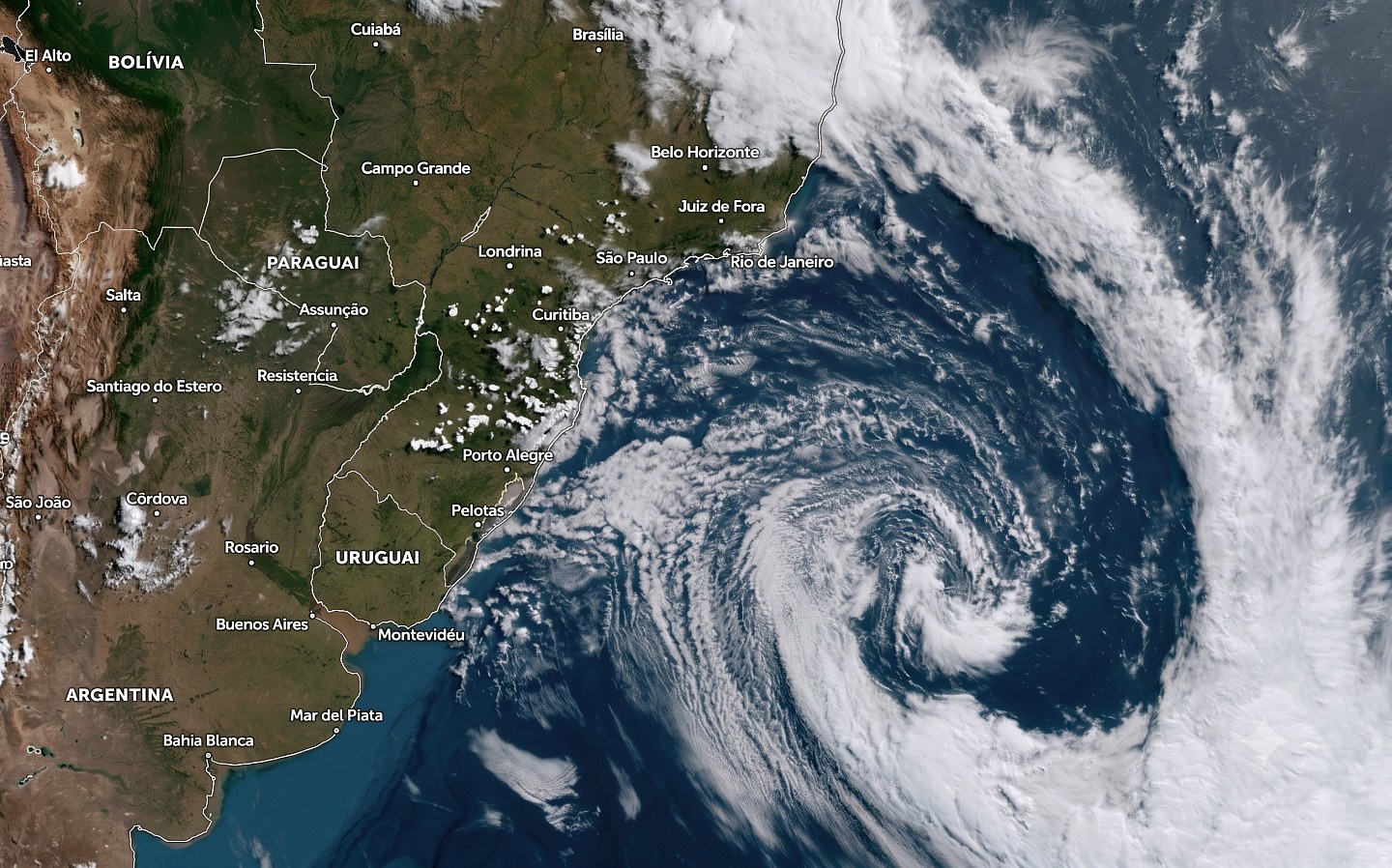
After a sequence of days marked by intense cold and frost, the South Region must once again face a scenario of attention due to the formation of a cyclone of strong intensity in the second week of July. The forecast is from meteorologist Arthur Müller, from Canal Rural.
- See first-hand everything about agriculture, livestock, economy and weather forecast: follow Canal Rural on Google News!
According to the expert, meteorological models already indicate the formation of the system, although it is not yet possible to define exactly where it will act. The expectation is that the cyclone will form between Uruguay and Rio Grande do Sul, with the potential to cause storms, intense gusts of wind, hail and heavy rain.
“It is still too early to know whether it will be at the height of Uruguay or Rio Grande do Sul, but it is already confirmed that it will be a strong cyclone,” said Müller.
According to the meteorologist, the change in weather should occur from the week of July 10th, ending the period of stability that predominates in the coming days in the South Region. Until then, the trend is for firm weather, with cold mornings and a gradual rise in temperatures from Sunday (5).
In addition to the impacts on the southern states, the advance of the system should also influence weather conditions in the rest of the country. The cyclone should favor the movement of moisture to areas of the Central-West and Southeast, bringing rain to regions that face a period of hot and dry weather. Despite this, precipitation must occur irregularly.
The post Strong-intensity cyclone hits Brazil in the coming days and causes storms, meteorologist warns appeared first on Canal Rural.
Source: Canal Rural
This story was originally published by Canal Rural. Visit the original publication for further details.
Open original publication