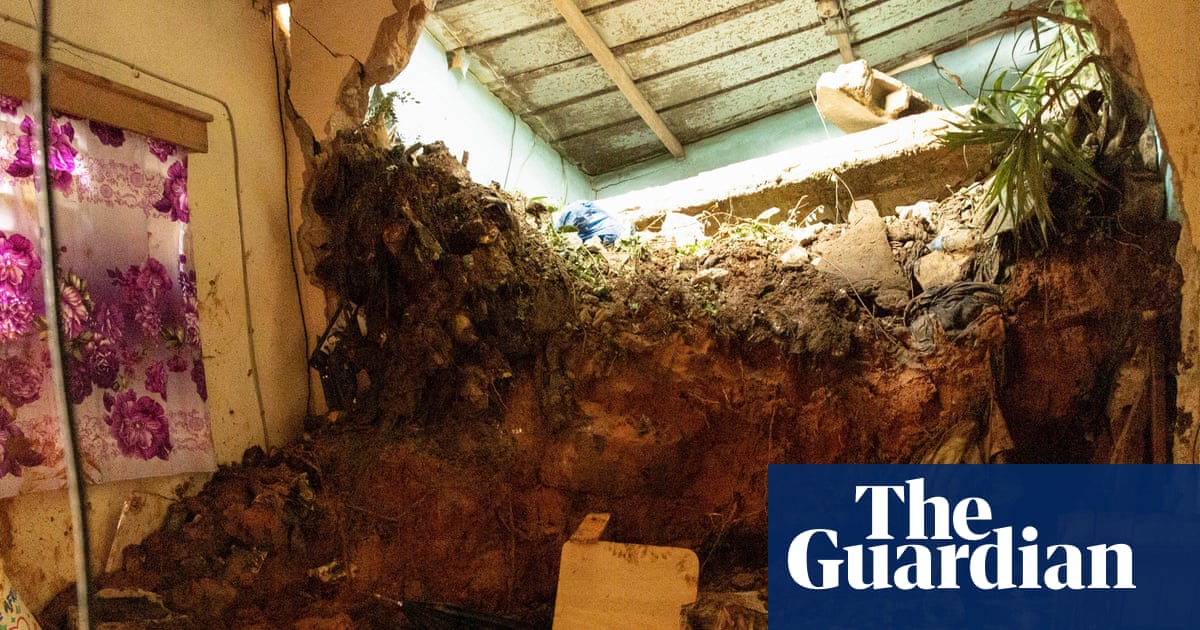
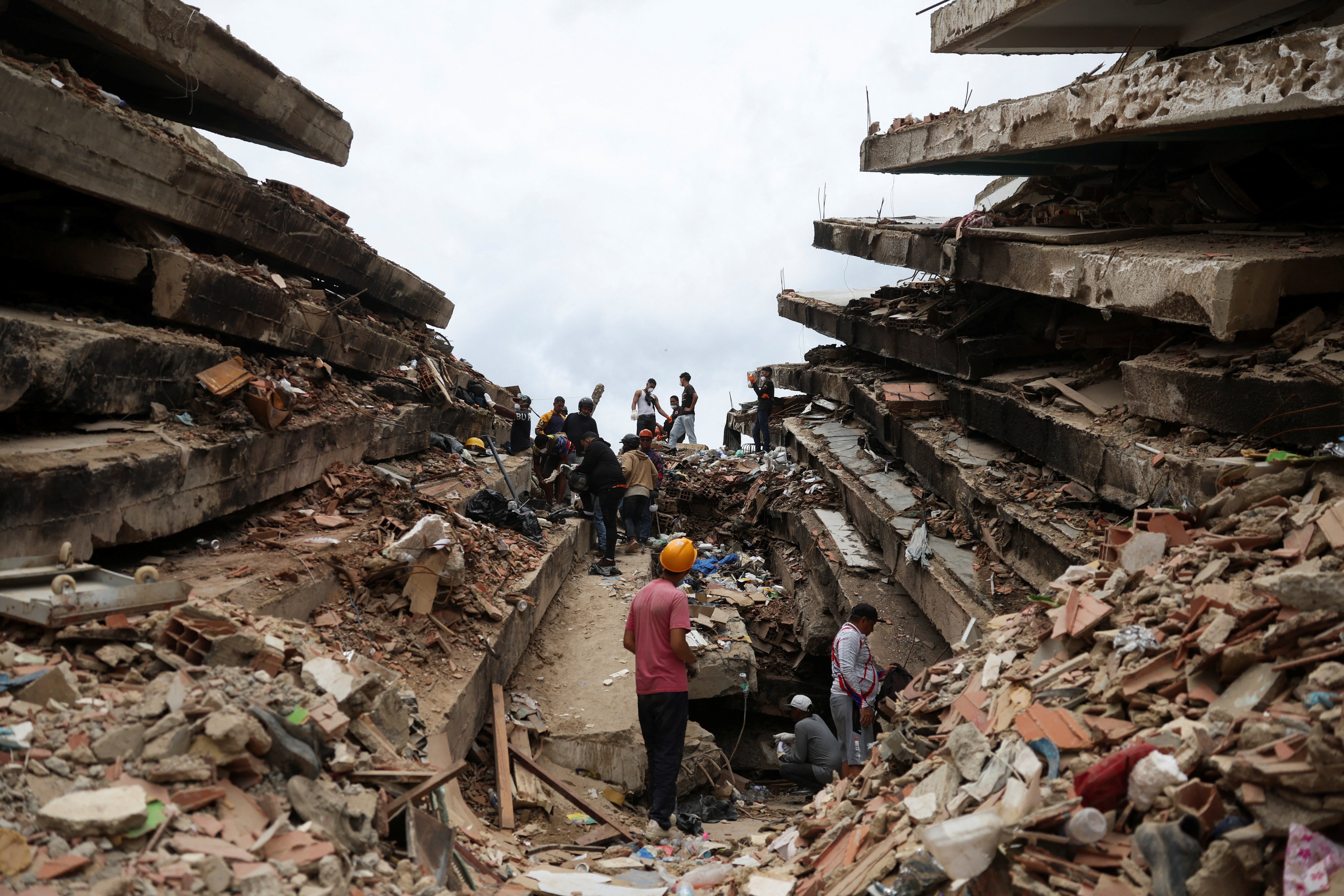
Slow response to the earthquake wears down the Venezuelan government The number of deaths caused by the earthquakes that hit Venezuela rose to 2,645, according to a report released this Friday (3) by the Venezuelan government. The total number of injured reached 12,666. ? Follow the g1 international news channel on WhatsApp ?? Context: On the night of June 24, two consecutive earthquakes hit the northern region of Venezuela, where Caracas is located. In addition to the deaths, the tremors caused buildings to collapse, destroyed houses and left a trail of destruction in the capital and neighboring cities. The earthquakes were the strongest recorded in the country in more than a century. In a statement, the Ministry of Communication and Information stated that more than 6 thousand people have already been rescued and that 86 thousand families have received assistance. The government also said that 15 thousand people are homeless. In a press conference on Thursday (2), the interim president of Venezuela, Delcy Rodríguez, stated that 189 buildings had completely collapsed and said that almost all public servants in the state of La Guaira died in the earthquakes. According to her, around 4,000 agents were mobilized immediately after the tremors to help the victims. Rodríguez also stated that search and rescue operations continue in the affected areas. The interim president also announced that the International Monetary Fund (IMF) and the World Bank have offered financial aid and lines of credit to support the reconstruction of the devastated areas. According to her, the government will create, in partnership with the IMF, a US$200 million fund aimed at rebuilding destroyed homes. The resources will be passed on to companies responsible for the works. Search for survivors continues Rescue teams work at the site of a complex of buildings that collapsed after the June 24 earthquakes, in La Guaira, Venezuela REUTERS/Ricardo Arduengo Venezuelan authorities and foreign support teams continue to search for people buried in the rubble in the affected regions. In total, there are more than 30 thousand rescuers, of which 3.3 thousand are part of international teams. The work is supported by specialized teams from 31 countries, including Brazil, who sent firefighters and trained professionals to carry out rescue operations. Faced with a shortage of labor and equipment, many Venezuelans have been helping with the search manually. The more time passes, the lower the chances of finding people alive among the rubble. Disaster response experts say the first 48 to 72 hours are decisive in locating survivors. After this period, operations usually focus on removing bodies. The humanitarian emergency is worsening in the country with the lack of food and shelter for tens of thousands of people who remain on the streets after the double earthquake. In the most devastated state of La Guaira, there are widespread food shortages and basic services have collapsed, according to the United Nations High Commissioner for Refugees (UNHCR). READ ALSO How long can a person survive under the rubble after an earthquake? One week after earthquakes, Venezuela searches for survivors amid hunger and despair Football player and his mother are found dead after earthquakes in Venezuela Experts predict public health crisis after earthquake Khaterine Roa cries as members of the Los Angeles County Fire Department search for survivors in a building that collapsed during the earthquakes that hit La Guaira, Venezuela. Matias Delacroix/AP Photo The earthquakes could trigger a growing medical crisis, marked by untreated injuries, infectious diseases and a healthcare system already on the brink of collapse, according to medical authorities. Thousands of homeless Venezuelans sleep in overcrowded shelters or in the open, without access to drinking water, amid precarious sanitary conditions. Members of humanitarian aid teams say the aftermath of the earthquakes has turned into a major medical crisis that, if not contained quickly, could claim more victims in the coming days and weeks. The emergency exposed Venezuela's chronic shortage of doctors, the result of years of economic crisis, lack of funding and emigration. VIDEOS: most watched on g1
/https://i.s3.glbimg.com/v1/AUTH_59edd422c0c84a879bd37670ae4f538a/internal_photos/bs/2026/Z/s/3ooVBsR7mxTMAXsyvTcw/2026-06-24t182421z-1573473901-rc2h0maekzvx-rtrmadp-3-peru-politics-fujimori.jpg)