(FOLHAPRESS) - The diplomatic relationship between the United States and Brazil plummeted this Tuesday (4) to an unprecedented level: the Trump administration announced the revocation of the visa of Brazilian ambassador Maria Luiza Viotti, in practice making it impossible for the diplomat to perform her duties normally.
Unprecedented decision to revoke ambassador visa worsens relationship with USA to unprecedented level
(FOLHAPRESS) - The diplomatic relationship between the United States and Brazil plummeted this Tuesday (4) to an unprecedented level: the Trump administration announced the revocation of the visa of Brazilian ambassador...
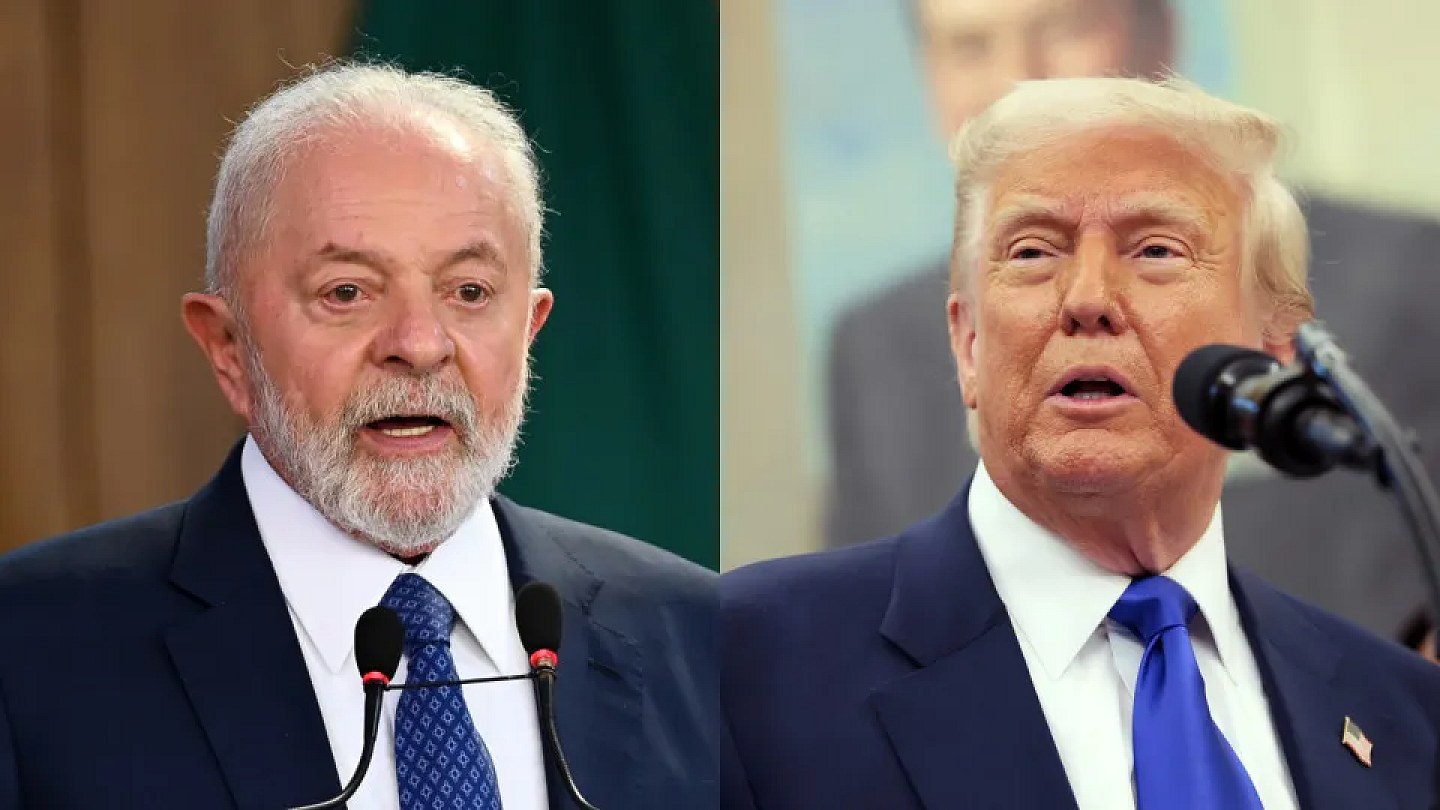
Donald Trump's administration claimed to have done so in retaliation for Brazil's delay in granting approval for Daniel Perez to assume his duties as the new US ambassador in Brasília. The measure, however, also comes about ten days after Itamaraty denied visas to American officials who would come to the country to question the elections.
Why did the United States revoke the Brazilian ambassador's visa?
A State Department spokesman said the revocation of Viotti's visa will be canceled if Brazil grants approval to the American nominee - a procedure known in diplomatic jargon as agrément. The Lula government had not yet commented on this approval.
However, in an unclear manner, the spokesperson said that Viotti will not be expelled from the USA - she will remain in the country without a valid visa, which, in practice, prevents the diplomat from fulfilling her duties. Traditionally, visa revocation is treated by American authorities as an accessory measure to the declaration of persona non grata, and not as an autonomous instrument.
Relations between Brazil and the United States have deteriorated since May
This is the latest erosion in diplomatic relations which, since President Luiz Inácio Lula da Silva (PT)'s visit to Washington in May, have deteriorated. At the beginning of this year, Brazil and the USA showed signs of rapprochement. Since May, however, in a sequence of measures and declarations, the Trump administration began to harden its tone against Brasília, increasing bilateral tension.
In recent months, Trump received Senator Flávio Bolsonaro (PL) -presidential candidate- in the Oval Office, held talks with Eduardo Bolsonaro, who obtained a green card granted by the American government, designated Brazilian criminal factions as terrorist organizations and announced a new tariff on Brazilian products.
Tariffs and statements by Marco Rubio worsened the crisis
When justifying this last measure, the American Secretary of State, Marco Rubio, stated that the negotiations failed because the Lula government had not negotiated "in good faith" and attributed responsibility for the tariffs to the Brazilian president.
The statement provoked a reaction from Itamaraty, which classified Rubio's demonstration as a "crude and arrogant attack". The escalation of the relationship has occurred at a time of strengthening of right-wing governments and leaders in Latin America, following electoral victories in Chile, Peru and Colombia and the advance of Washington's allies in other countries in the region. Meanwhile, the prospects for a negotiation to reverse the tariff remain slim.
What does it mean to be declared persona non grata?
There have been other times when the American government has acted directly against US-based diplomatic representatives. In March 2025, the Trump administration expelled the South African ambassador to Washington, Ebrahim Rasool, after Rubio declared him persona non grata.
At that moment, the head of American diplomacy said that the representative hated the USA and President Trump. The declaration of persona non grata -which, to date, has not been used against the Brazilian ambassador- is the standard measure in diplomacy to inform that a person is no longer welcome in the country. There are no civil or criminal sanctions related to the classification, and it does not exactly mean an expulsion, although its effect is that.
A similar crisis occurred between Brazil and the USA during the Empire
The only similar measure involving Brazil and the USA dates back to the Empire period. According to Brazilian government records, in 1847, during the episode that became known as the "Wise question", Brazil declared persona non grata the American diplomatic representative Henry A. Wise, then envoy extraordinary and US minister plenipotentiary in Rio de Janeiro - the country's capital at the time.
At that time, the American diplomatic representation in Brazil -created in 1825- was called legation, and the highest representative was Wise. It was elevated to the level of embassy only in 1905.
What was the Wise question?
The 1847 episode originated in a crisis triggered by the arrest of American sailors involved in a riot in the imperial capital and by Wise's reaction during negotiations between the two governments.
By demanding reparations from the Empire in terms considered offensive by the Brazilian government, the American entered into a collision course with the country's Ministry of Foreign Affairs. The imperial government then began to refuse to officially receive him until Washington commented on his actions, and the diplomat ended up being replaced months later.
Since then, the countries have never again declared the head of the other's diplomatic mission persona non grata.
Trump administration revokes visa of Brazilian ambassador to the United States
Measure amounts to expulsion of the diplomat; Washington states that the measure will be reviewed after approval for Daniel Perez. In a rare move in diplomacy, the US announced the name of a new ambassador without approval from the Lula government
Source: Noticias ao Minuto
Next recommended read
This story was originally published by Noticias ao Minuto. Visit the original publication for further details.
Open original publication