Around 600,000 Argentines would have lived below the poverty line in the first three months of 2026. The estimate, published by the newspaper La Nación, follows calculations that point to an increase in the indicator from 29.9% to 30.7% between the end of 2025 and the beginning of this year.
Poverty rises again in Argentina, and Milei admits “horrible” scenario
Around 600,000 Argentines would have lived below the poverty line in the first three months of 2026. The estimate, published by the newspaper La Nación, follows calculations that point to an increase in the indicator...
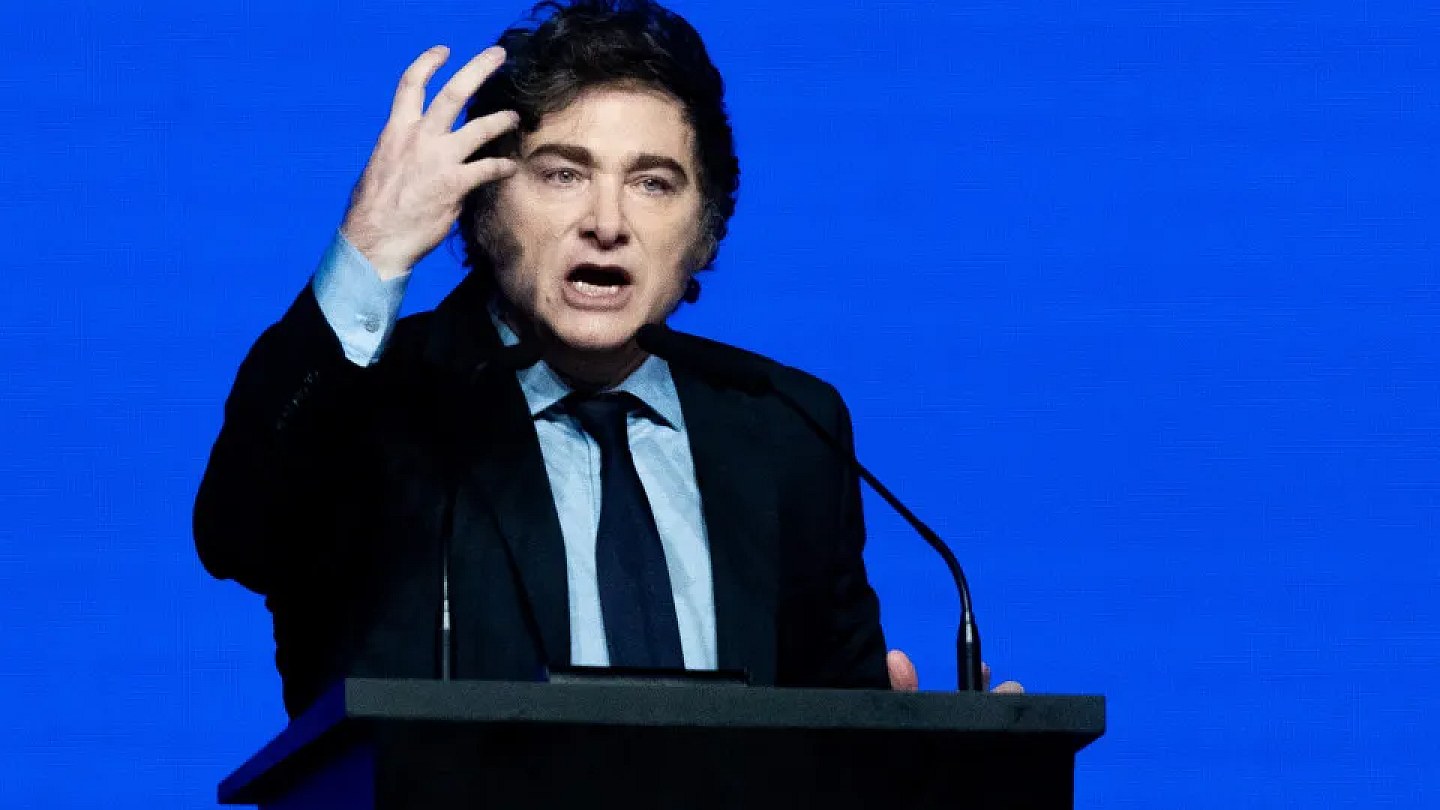
Asked about the worsening, Javier Milei acknowledged the seriousness of the social situation, but stated that the result does not compromise the economic strategy adopted by the government.
“The outlook is horrible, but the general trend remains excellent,” declared the Argentine president this Tuesday (4).
Milei uses the beginning of his term as a comparison
When evaluating the current scenario, Milei preferred to compare the numbers with the rates recorded in the first months of his administration. According to him, poverty reached approximately 57% in that period and, since then, it has dropped to close to 30%.
"We are not Switzerland. The overall picture is still terrible, but the trend remains excellent. I see the trend: the economy is growing, poverty is falling and inflation is falling," he said.
The rate of 30.7% was calculated based on microdata from the Permanent Household Survey, produced by the National Institute of Statistics and Census of Argentina. The official consolidated result had not yet been released.
Government considers reduction in public salaries part of the adjustment
Milei also once again defended the reduction of State expenses. Since assuming the Presidency, his economic program has included budget cuts, reduced subsidies, deregulation and restrictions on the circulation of money.
The president admitted that salaries paid by the public sector lost value, but treated the movement as an expected consequence of his policy.
"Public sector salaries are falling, but this is a desired result of the model. It means that the State will bear the adjustment. It's the chainsaw", he declared.
Despite defending the cuts, Milei said he intends to improve the remuneration of the most qualified professionals in the public service. According to him, the measure would help to recover the value of these careers.
Inflation loses strength, but consumption remains under pressure
Spending restraint and tighter monetary policy contributed to slowing Argentine inflation. The improvement in prices, however, did not eliminate the difficulties faced by families.
The loss of purchasing power and the weakening of domestic demand continue to affect activities such as retail trade and the manufacturing industry.
Growth is also not distributed evenly. Areas more linked to the external market present better results than sectors dependent on domestic consumption.
Oil, mining and agriculture drive activity
Part of the economic recovery comes from agriculture, benefiting from improved production, and the oil, gas and mineral industries.
Vaca Muerta, one of the largest reserves of unconventional oil and gas in the world, has become one of the main drivers of Argentina's energy expansion. Lithium extraction has also gained relevance with the increase in international demand for the mineral.
Enquanto essas atividades avançam, empresas voltadas ao mercado interno ainda enfrentam vendas fracas e dificuldades para retomar a produção.
Economia vira motivo de disputa entre Argentina e Brasil
Os resultados argentinos também entraram no confronto político entre os governos de Milei e Luiz Inácio Lula da Silva.
Depois de o presidente argentino participar do lançamento da candidatura de Flávio Bolsonaro à Presidência e criticar o governo brasileiro, o ministro da Fazenda, Dario Durigan, reagiu e chamou Milei de “palhaço”.
Durigan usou indicadores de inflação, desemprego, risco-país e comércio exterior para sustentar que a economia brasileira apresenta desempenho superior ao da Argentina.
Milei, no entanto, mantém o discurso de que os efeitos sociais do ajuste são parte de um processo necessário para reorganizar a economia. A nova alta da pobreza mostra que os resultados positivos defendidos pelo governo ainda convivem com dificuldades para uma parcela significativa da população.
Milei volta a atacar Lula e amplia crise diplomática com o Brasil
Presidente argentino chamou o petista de “ladrão” e “corrupto” em nova entrevista. Governo brasileiro convocou o embaixador da Argentina e classificou o episódio como grave e sem precedentes
Source: Noticias ao Minuto
Next recommended read
This story was originally published by Noticias ao Minuto. Visit the original publication for further details.
Open original publication