The United States Armed Forces reinstated the blockade on Iranian ports this Tuesday after a new escalation of Iranian attacks on vessels trying to cross the Strait of Hormuz.
United States reestablishes blockade on Iranian ports
The United States Armed Forces reinstated the blockade on Iranian ports this Tuesday after a new escalation of Iranian attacks on vessels trying to cross the Strait of Hormuz. Before the resumption of the blockade, the...
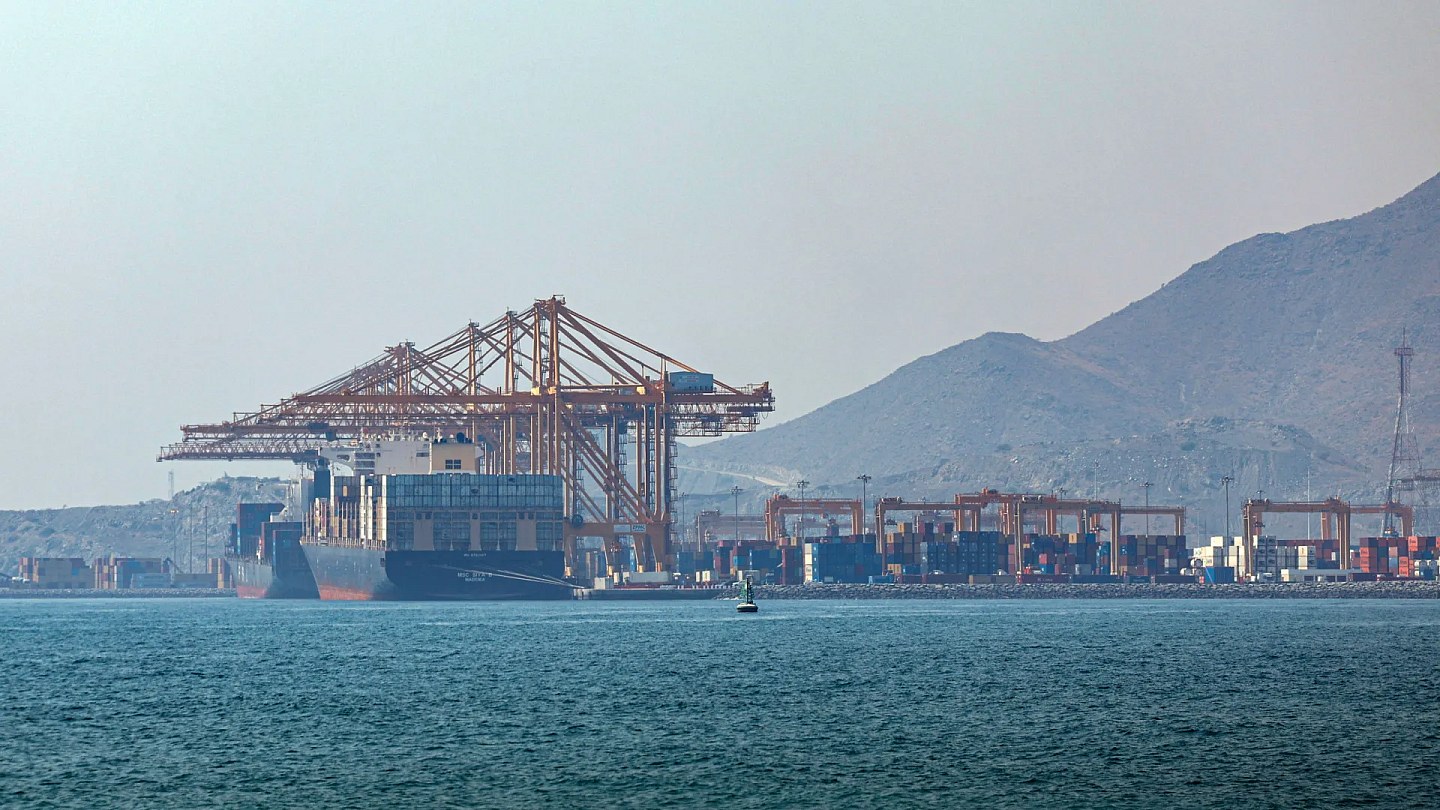

Before the resumption of the blockade, the United States Central Command (Centcom) reported that it carried out a new series of bombings against targets in different regions of Iran. During the night, missile warning sirens sounded again in Bahrain and Kuwait after new Iranian attacks, increasing tension in the region and further weakening the ceasefire.
A few hours later, Iranian state media reported that there was an exchange of fire in the Strait of Hormuz. According to Centcom commander, Admiral Brad Cooper, Iran launched dozens of missiles and drones against neighboring Arab countries.
"The United States holds Iran responsible for unjustified aggression that continues to put innocent lives at risk," the military official said.
Currently, the US maintains at least 19 warships in the Arabian Sea, including two aircraft carriers and an amphibious assault ship with more than a thousand marines on board. Centcom also reported that hundreds of military aircraft are in operation in different parts of the Middle East.
The resumption of attacks and the dispute over control of the Strait of Hormuz increase fears of a new major war in the region.
The United States had imposed a blockade on the passage in April, but suspended the measure in June, one day after signing an interim agreement that provided for 60 days of negotiations on Iran's nuclear program and other issues. The talks, however, lost strength as the clashes intensified again.
On Monday, when announcing the return of the blockade, President Donald Trump even defended the charging of a 20% tax on cargo transported through the strait. Hours later, however, he withdrew the proposal after requests from allies in the Persian Gulf.
According to Trump, leaders from the region offered billion-dollar investments in the United States as an alternative to the charge.
"I prefer this agreement to charging a toll, because I don't think anyone should pay to cross the strait," he declared.
The proposal would represent a significant change in American policy, which has historically defended free navigation in the region.
Trump also stated, in an interview with Fox News, that new attacks on Iran could occur in the coming days and that bridges and power plants are among the possible targets if Tehran does not resume negotiations.
The temporary agreement provided for free passage through the Strait of Hormuz for 60 days, but did not define rules for the following period. The Iranian government claims it has the right to control maritime traffic and charge fees for using the route, a position rejected by Washington.
Amid increased tensions, a barrel of Brent oil reached over US$87 on Tuesday, but fell to around US$78 after Trump's statements.
Meanwhile, international mediators, led by Pakistan, continue to try to restore the ceasefire. Delegations from Lebanon and Israel also met again in Rome to negotiate an agreement mediated by the United States.
Since the start of the war, Hezbollah has entered the conflict in support of Iran and launched attacks against Israel, which responded with a ground offensive in southern Lebanon.
Last month, Israel and Lebanon announced a preliminary agreement to withdraw Israeli troops in exchange for Hezbollah's disarmament, but implementation of the understanding remains stalled.
Iran and US amplify attacks, and Trump's naval blockade begins
US Navy says it will not allow traffic from theocracy's ports; bombings resume. Tehran attacks oil tankers and a Kuwaiti warship, something that had not happened in this new phase
Source:
Noticias ao Minuto - Ultima Hora


