(FOLHAPRESS) - As announced by the United States a week ago, a new additional tariff of 25% on Brazilian products begins to be applied from 1:01 am, Brasília time, this Wednesday (22).
Trump's new tariff against Brazil begins this Wednesday (22) and threatens up to US$ 11 billion in exports
(FOLHAPRESS) - As announced by the United States a week ago, a new additional tariff of 25% on Brazilian products begins to be applied from 1:01 am, Brasília time, this Wednesday (22). The decision by Donald Trump's...
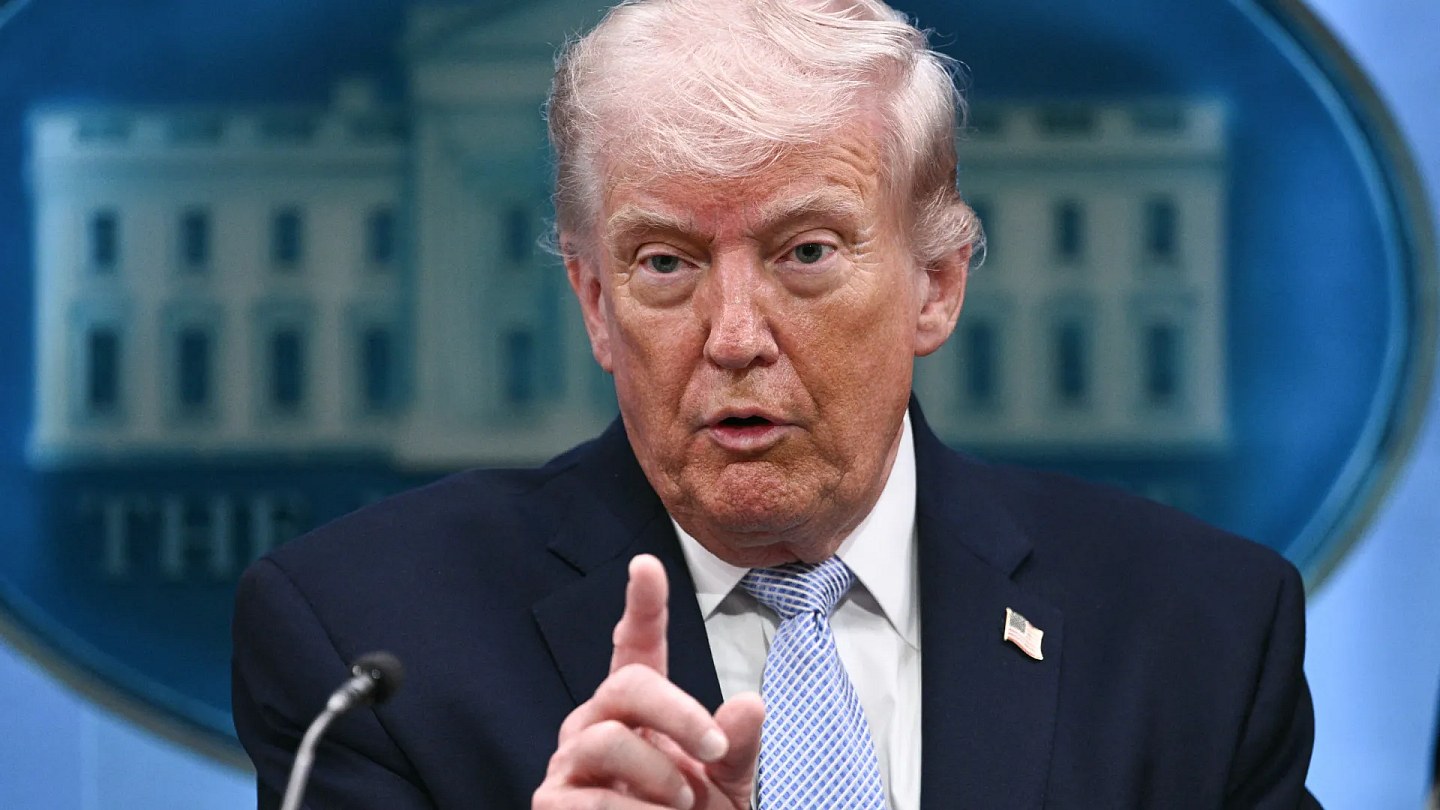
The decision by Donald Trump's administration affects around 3,000 products and was made after an investigation conducted by the USTR, the Office of the United States Trade Representative, based on Section 301, which examines trade practices considered unfair.
The investigation concluded that measures adopted by Brazil restrict the businesses of American farmers, workers, innovators and exporters. Among the points mentioned are digital commerce, payment services, tariffs considered unfair, corruption, intellectual property, ethanol and illegal deforestation.
In addition to ethanol, the new tariff should affect exports of agricultural machinery, paper and clothing.
With the new round of tariffs, Brazil will become one of the countries most taxed by the United States, occupying second place in the ranking, behind only China. Before the additional charge, the country was in 13th place.
The Lula (PT) government estimates that tariffs will reach 18% of Brazilian exports destined for the United States. More than 2,100 products, however, will be exempt. The list includes meat, coffee, oil, oranges, orange juice and parts used in the manufacture of airplanes, items with the largest weight in the national export basket.
Among the justifications presented by the Americans is the creation of the Pix payment system, which, according to the White House, would have harmed credit card companies in the United States.
Another point mentioned is deforestation in Brazil, which, in the assessment of the American government, allows Brazilian rural producers to operate at lower costs. The argument led the USTR to remove high-purity cellulose from the list of exempt products.
The Brazilian government disputes the allegations and presents data that indicate a reduction in deforestation and growth of American card brands in the national market, even after the implementation of Pix. Brazil also records a surplus in its trade balance with the United States.
The new tariff is a concern for the Brazilian production sector. In the first quarter of the year, 20 of the 27 states, in addition to the Federal District, recorded a drop in exports to the American market.
Amcham Brasil, the American Chamber of Commerce for Brazil, calculates that more than US$11 billion, around R$55.9 billion, in exports could be affected. The projection is close to the estimate of the CNI, National Confederation of Industry. The government estimates an impact of US$5.8 billion, approximately R$30 billion.
According to Amcham, although it was not possible to reach an agreement, negotiations have intensified in recent months and continue to be the most effective path to removing tariffs.
Exporters fear that the increase in charges will deepen the retraction in bilateral trade, which has already recorded a 12.8% drop in the first half of the year, according to data from Mdic, Ministry of Development, Industry, Commerce and Services.
Trade flow totaled US$36.4 billion, equivalent to R$184.8 billion, with a favorable balance for the United States of US$1.5 billion, approximately R$7.6 billion.
The tariffs also worry the industry, which foresees the worsening of the negative effects of the surcharges in force since last year, such as the loss of competitiveness compared to suppliers from other countries.
The CNI highlights that, since 2025, there has been an 8.7% reduction in sales of industrial goods. Among the most affected products are semi-manufactured iron and steel, iron, wood pulp and petroleum oils.
Fiesp, the Federation of Industries of the State of São Paulo, which holds the Lula government responsible for the tariffs, stated that it is following the application of the new surcharges with “deep concern”.
Representative of a sector that allocates 20% of its exports to the United States, Abimaq, the Brazilian Association of the Machinery and Equipment Industry, reported that sales to the country reached US$3.2 billion, approximately R$16.3 billion. Imports totaled US$4.8 billion, approximately R$24.4 billion.
For Abicalçados, the Brazilian Association of Footwear Industries, another sector hit hard, the decision represents a setback in the commercial relationship between the two countries.
Unica, the Sugarcane and Bioenergy Industry Union, criticized the additional tariff on Brazilian ethanol and stated that the policy adopted by Brazil is in accordance with the rules of the WTO, World Trade Organization.
According to the entity, there is no bilateral agreement that obliges Brazil to grant differentiated tariff treatment to American ethanol. Unica attributes the drop in United States exports to the Brazilian market mainly to the increase in national production, especially corn ethanol.
Lula returns to defend Pix after being charged and says that 'against Brazil, no one wins by lying'
'I'll leave it to talk about tariffs when Trump speaks', says the president. USA confirmed 25% tariffs on Brazilian products on Wednesday (15)
Source: Noticias ao Minuto - Ultima Hora
This story was originally published by Noticias ao Minuto - Ultima Hora. Visit the original publication for further details.
Open original publication