How long has it been since you changed the water in your coffee maker's reservoir? The answer to this question depends on each person's routine. If, for some families, this is something that happens frequently, due to high consumption, for others, the exchange may not occur with the same regularity.
The cleaning mistake that creates a den of germs in your coffee machine
How long has it been since you changed the water in your coffee maker's reservoir? The answer to this question depends on each person's routine. If, for some families, this is something that happens frequently, due to...
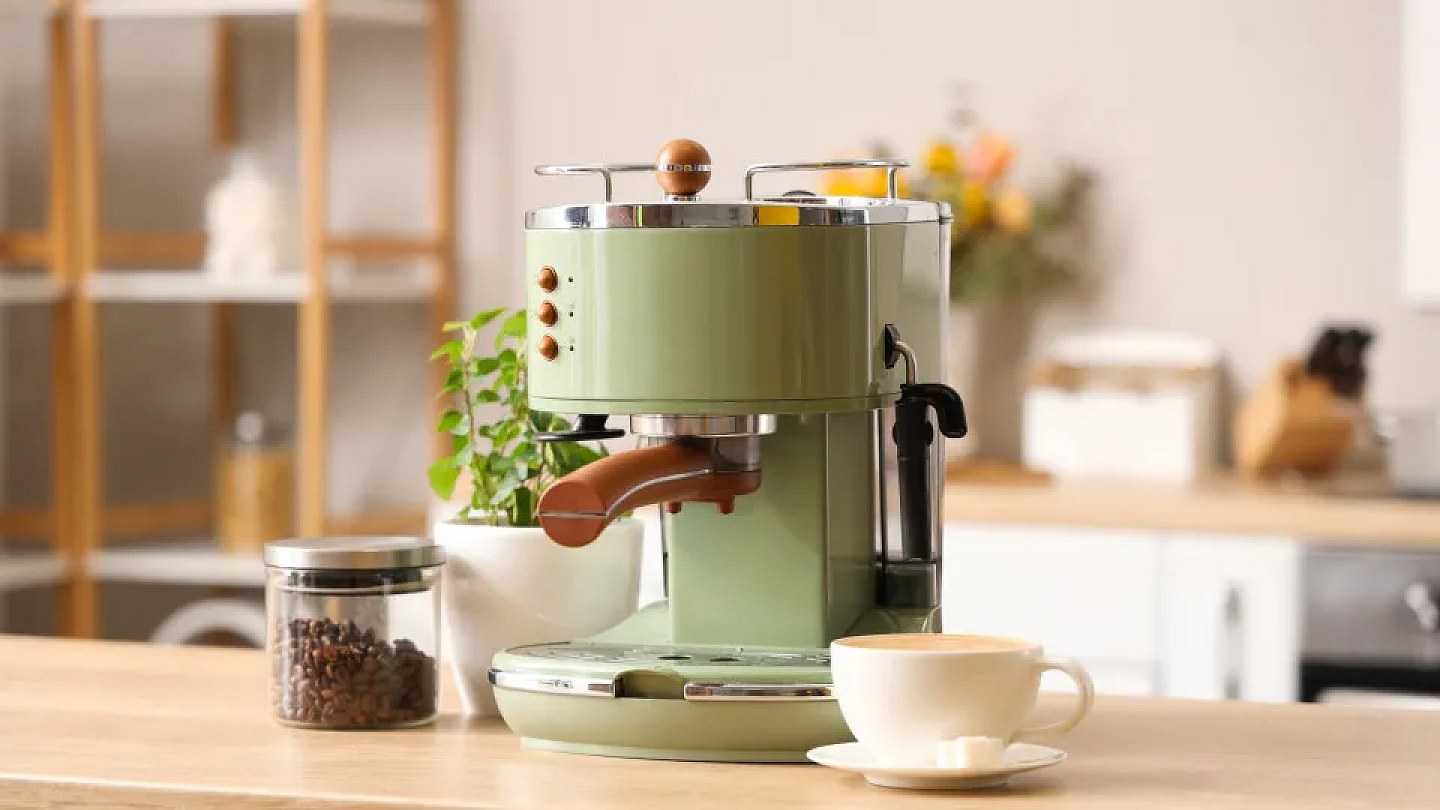
According to Tasting Table, with most machines it is not recommended to leave tap or mineral water in the coffee maker's reservoir for more than 48 hours. After a few days, the water can become contaminated with dust, debris, bacteria, or even mold.
Therefore, emptying, cleaning and refilling the tank regularly ensures that the water used daily is clean and safe.
Changing the water in your coffee maker: what you need to know
This recommendation applies to all machines, regardless of models and brands. However, clear containers are more susceptible to the rapid growth of bacteria and fungi. Although the water may remain safe for consumption after two days, it is best to make a habit of discarding the remaining liquid every day and washing the container before using it again.
You should clean the reservoir with hot water and mild soap or place it on the top rack of the dishwasher. Then let it dry naturally before filling it again.
If you use a more traditional filter coffee maker, the simplest way to clean the reservoir is using vinegar. Simply fill it with a mixture of equal parts cleaning vinegar and water and start a coffee brewing cycle. When finished, fill the reservoir again with water and run another cycle, repeating the process to remove all traces of vinegar.
Why You Should Clean Your Coffee Maker Regularly
Leaving water in the coffee maker reservoir for long periods creates the perfect environment for the growth of bacteria, algae and mold, which can be harmful to your health. It can also cause the accumulation of minerals present in tap water on surfaces, affecting the flavor and quality of the coffee, as well as reducing the useful life of the appliance.
After 24 hours in the tank, you may notice that the water has a different flavor. After two days or more, it can become contaminated with dust, airborne pollutants, bacteria and mold spores. After three days, a visible layer of residue may begin to form at the bottom of the container. This process can be accelerated by internal temperature, humidity levels, and exposure of the machine to light and heat.
It is important to highlight that contaminated water can be dangerous for consumption, as it can trigger allergy symptoms, worsen pre-existing respiratory problems or cause illness, depending on the level of mold and bacteria proliferation.
Source: Noticias ao Minuto
Next recommended read
This story was originally published by Noticias ao Minuto. Visit the original publication for further details.
Open original publication