(FOLHAPRESS) - With 21 million inhabitants, the capital of São Paulo and the 38 surrounding municipalities form a rare case of a large metropolis developing in a river headwater area, a geographical trap when it comes to water availability. The naturally low flow rate near the springs creates a chronic and practically irreversible shortage.
São Paulo has only 10% of the minimum water supply and is discussing the reuse of sewage to supply dams
(FOLHAPRESS) - With 21 million inhabitants, the capital of São Paulo and the 38 surrounding municipalities form a rare case of a large metropolis developing in a river headwater area, a geographical trap when it comes...
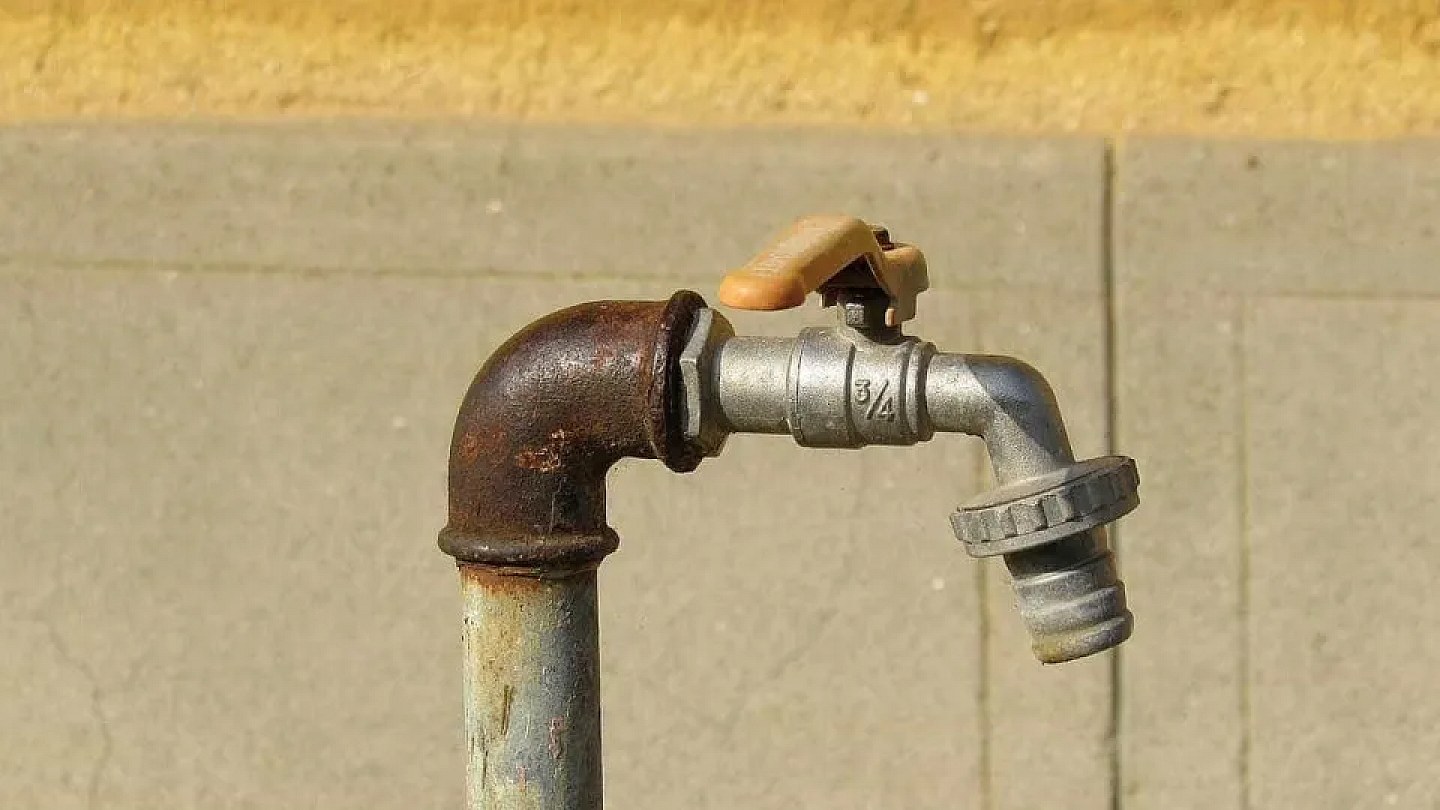
Each inhabitant of the cities located on the Alto Tietê Hydrographic Basin - a 130-kilometer drainage area that runs in a straight line from the municipality of Salesópolis, in the east, to Pirapora do Bom Jesus, in the west - has less than 10% of the minimum water recommended by the UN (United Nations). The supply of 127 cubic meters of water per year per inhabitant is far below the limit of 1,700 cubic meters above which the organization already considers water stress to be present.
To prevent taps from running dry in the capital and surrounding areas, the region imports more than 50% of its water from other basins, which are the PCJ (Piracicaba, Capivari and Jundiaí rivers), Baixada Santista, Paraíba do Sul and São Lourenço. A solution that, in addition to requiring infrastructure of dozens of kilometers of pipes, tunnels and canals, also imposes political confrontations due to the challenges inherent to cities that lose part of their water resources to São Paulo.
This scenario is detailed in the PMSAI-SP Diagnosis, a document that underpins the draft of the São Paulo City Council's Integrated Environmental Sanitation Municipal Plan.
The plan, prepared by technicians from the city hall and UN-Habitat (United Nations program for human settlements), will remain available for public consultation until July 12th. The text proposes strategies for the next 20 years focused on supply, sewage, drainage and solid waste management.
Among the proposals, the reuse of sewage to recharge water sources can be considered one of the most efficient ways to balance supply, but it is also the most culturally challenging.
Indirect potable reuse already occurs in parts of the United States, such as California, and in other countries such as Australia and Israel. Despite requiring a rigorous filtration and disinfection process, the idea tends to generate repulsion and distrust among part of the population.
In the São Paulo plan, the planned reuse of strategic springs is seen as an auxiliary measure to maintain dam levels, especially in periods of drought, reducing dependence on transpositions from other basins.
Large treatment plants such as those in the cities of Suzano and Barueri would have great potential to supply streams that flow into reservoir systems such as Alto Tietê and Cotia, says the plan. This would create closed circuits in which part of the water that supplies homes would return to the dams.
The municipal plan establishes a commitment to progressively expand the use of treated effluents, setting the goal of achieving 9.2% reuse in relation to the total volume consumed by the year 2045.
The goal is not exclusive to recharging water sources. The study also foresees applications in industry, civil construction and urban cleaning, in addition to improving the efficiency of the use of rainwater reservoirs for non-potable purposes, which have been mandatory by law in the capital of São Paulo since 2002.
One strategy evaluated by the municipality to achieve the goal is the creation of financial incentives for consumers, according to Amanda de Almeida Ribeiro, Water Security coordinator at São Paulo City Hall.
"We are proposing the study of incentives, some types of incentives for reusing water and also for containing water on the lot, to reduce pressure on the drainage system," he says.
Issues that become even more necessary given the expectation of more frequent heat waves that come as a result of climate change and the intensification of phenomena such as El Niño, according to Lucas Daniel Ferreira, PMSAI coordinator at UN-Habitat.
In the diagnosis that supports the municipal plan, it is estimated that for every 1°C increase in average temperature, the demand for water increases by 24.9%.
"Within climate scenarios of rising temperatures, you also have a tendency to increases [in consumption] and system collapse. It's something we have to keep in mind and it's also one of the contexts that led us to make some proposals in the plan," says Ferreira.
The risk of increased consumption projected by the PMSAI diagnosis is considered exaggerated by Sabesp, the sanitation company in the state of São Paulo.
For the company's corporate director, Marco Antonio Lopez Barros, consumption data compiled since the 1970s indicate that, although demand increases on hot days, this fluctuation does not usually exceed 5% of the total produced by the system.
Barros also considers that, despite the permanent scenario of water stress, the tendency is for supply to remain stable especially for demographic reasons - the Census carried out by IBGE in 2022 indicated that the population has stopped growing in most cities in the metropolitan region, including the capital.
He reinforces, however, that the diagnosis made by the municipality is correct in pointing out the need to reduce dependence on transpositions between basins.
"Reuse would allow us to feed rivers and streams that we use, depending less on the influence of rain", he says. "Any new source of water that Sabesp has to look for is hundreds of kilometers away."
For the director of Sabesp, the topic needs to begin to be widely debated with society so that it can move forward with its regulation.
"If we don't bring up the discussion, we won't overcome the cultural barrier that is the biggest of all, the subject becomes very superficial and has a lot of prejudice", he states.
The PMSAI also recognizes that the absence of a specific law or clear regulation that formats a definitive model in the state is one of the main obstacles.
Cetesb, an environmental company linked to the state government, highlighted recent progress on the issue. A technical standard began to define monitoring and quality criteria for indirect potable reuse from 2022 onwards. The agency highlights, however, that release is not automatic and requires specific licensing.
Forró singer denounces ex-husband for domestic and property violence
Danieze Santiago stated that she suffered physical, psychological, moral and property attacks during her marriage. The court granted protective measures, and the artist says she intends to return to the stage when she recovers
Source: Noticias ao Minuto - Ultima Hora
This story was originally published by Noticias ao Minuto - Ultima Hora. Visit the original publication for further details.
Open original publication