The National Congress and the federal government are about to conclude the debate around the proposal to renegotiate debts in the agricultural sector, according to the Minister of Finance, Dario Durigan, this Thursday (9).
Rural debt MP focuses on climate losses, says Durigan
The National Congress and the federal government are about to conclude the debate around the proposal to renegotiate debts in the agricultural sector, according to the Minister of Finance, Dario Durigan, this Thursday...
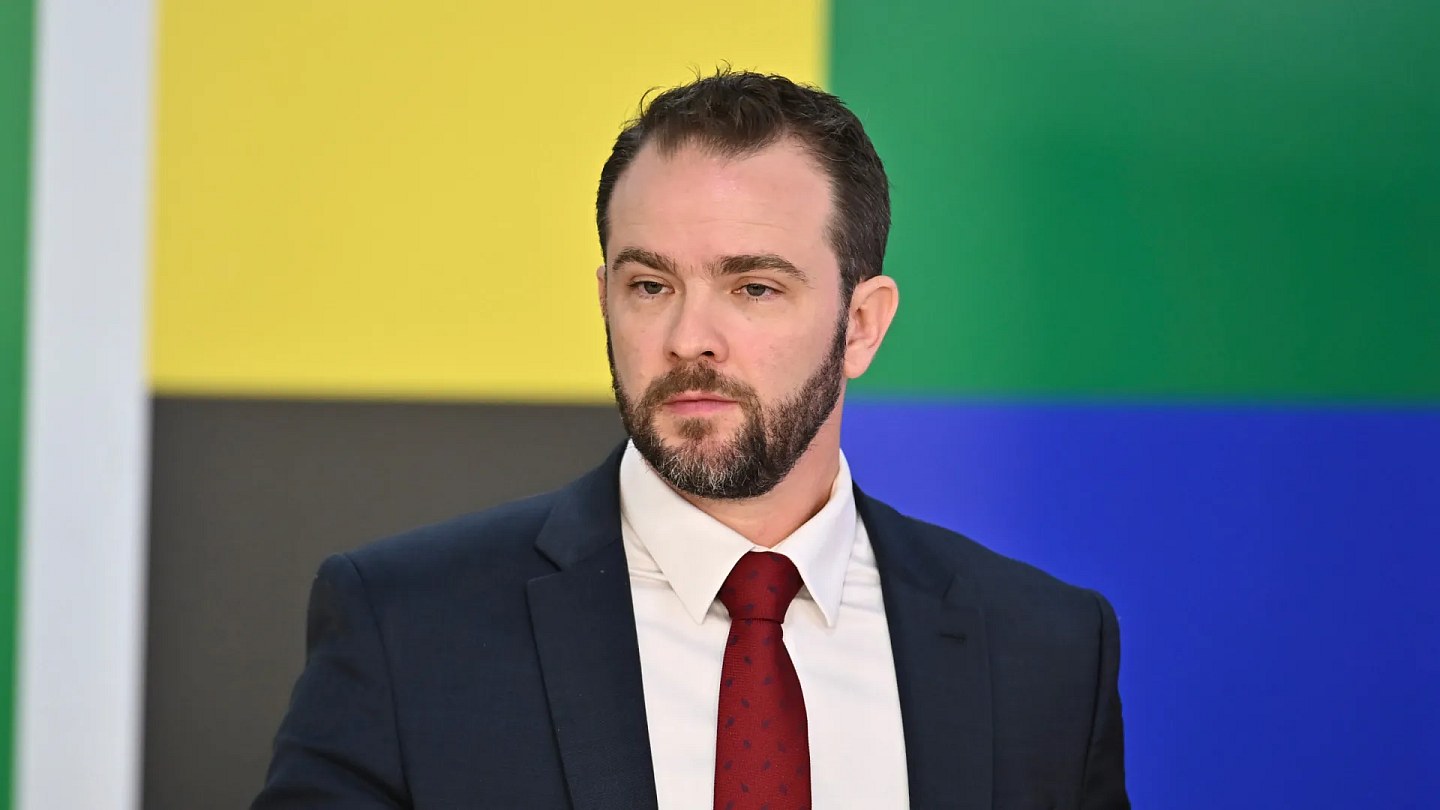
"We have been discussing the issue of rural debt with representatives of the sector in the National Congress, deputies and senators from different committees, for some time now. I would say for more than a year," said Durigan, in an interview with Rádio Gaúcha.
"I understand and have said that we have reached the final point. And that, once negotiations are complete, we will issue a provisional measure (MP), balancing the National Congress's proposal and the country's budget limit", added the minister.
According to Durigan, the text should be edited and published in the Official Gazette of the Union by next week. By law, any provisional measure comes into force as soon as it is published, but must be subsequently assessed by the Chamber of Deputies and the Senate, which have up to 120 days to approve or reject the proposal.
During the interview, the minister anticipated some points that the Executive Branch, the National Congress and representatives of the agricultural sector have been discussing, such as the establishment of a ten-year deadline for rural producers affected by climate crises to pay off their debts.
"I always proposed six years for renegotiation with the defaulting farmer, because he had problems. The ruralist group always demanded ten years. We reached eight years and now we are studying extending the period to ten years, in case of more serious climate losses."
Durigan explained that, in these cases, the producer will have to prove that they suffered serious losses from repeated harvests, due to severe weather phenomena such as floods and drought.
“We cannot allow public money to serve as aid for those who cannot prove losses", he highlighted, adding that the negotiation foresees that producers harmed by climate phenomena will have up to two years of grace to start paying the renegotiated debts and that the MP must establish a limit of up to R$8 million per CPF in the case of large producers.
The MP must also include farmers affected by market volatility, that is, by extreme price variations. These, when large producers, will be able to renegotiate debts up to a limit of R$4 million, if the text is approved according to the most recent negotiations.
Among the aspects yet to be defined are interest rates. According to Durigan, one of the proposals under debate foresees a rate of 6% per year for small farmers; 9% for the medium farmer and, at most, 12% for the large farmer.
“We are doing the final calculations, but we are certainly talking about annual rates that are unprecedented in the country,” said the minister.
According to him, if approved, the changes under debate will represent an additional R$2 billion to R$3 billion per year in costs for the package which, overall, will require just over R$100 billion from public coffers.
Durigan also commented that there is a suggestion to create an agricultural guarantee fund, along the lines of the FGC used by the banking sector.
“To structure the sector, we are foreseeing [the possibility of] a guarantee fund that the government, banks and the private sector can capitalize so that, in the future, it serves as a fund [to repair] first losses for the [agricultural] sector.” Finally, the minister said that the federal government defends the inclusion, in the provisional measure, of new rules for financial institutions.
"A provision [legal, under debate] determines that [in renegotiations] banks must accept guarantees given [by producers] who were in default in previous operations. The other determination for banks is the proportionality of the size of the guarantee. Several people told me that there are banks demanding two, three times the value of the operation as guarantee", said the minister, defending the urgency of the MP.
"[Representatives of] banks that I speak with have reported to me, in recent months, an increase in defaults due to moral hazard. "Look, the rules must change, so, don't pay your installment now." This is very bad and will harm agricultural credit in the future", concluded Durigan.
Read Also: Registration for 8,238 temporary IBGE vacancies closes this Thursday
Source: Noticias ao Minuto - Ultima Hora
This story was originally published by Noticias ao Minuto - Ultima Hora. Visit the original publication for further details.
Open original publication