Storing leftover food correctly helps reduce waste, save money on purchases and avoid health risks. To do this, you need to pay attention to the time the food is left out of the refrigerator, the type of container used and the way it is cooled and reheated.
Leftover food: mistakes that increase the risk of contamination
Storing leftover food correctly helps reduce waste, save money on purchases and avoid health risks. To do this, you need to pay attention to the time the food is left out of the refrigerator, the type of container used...
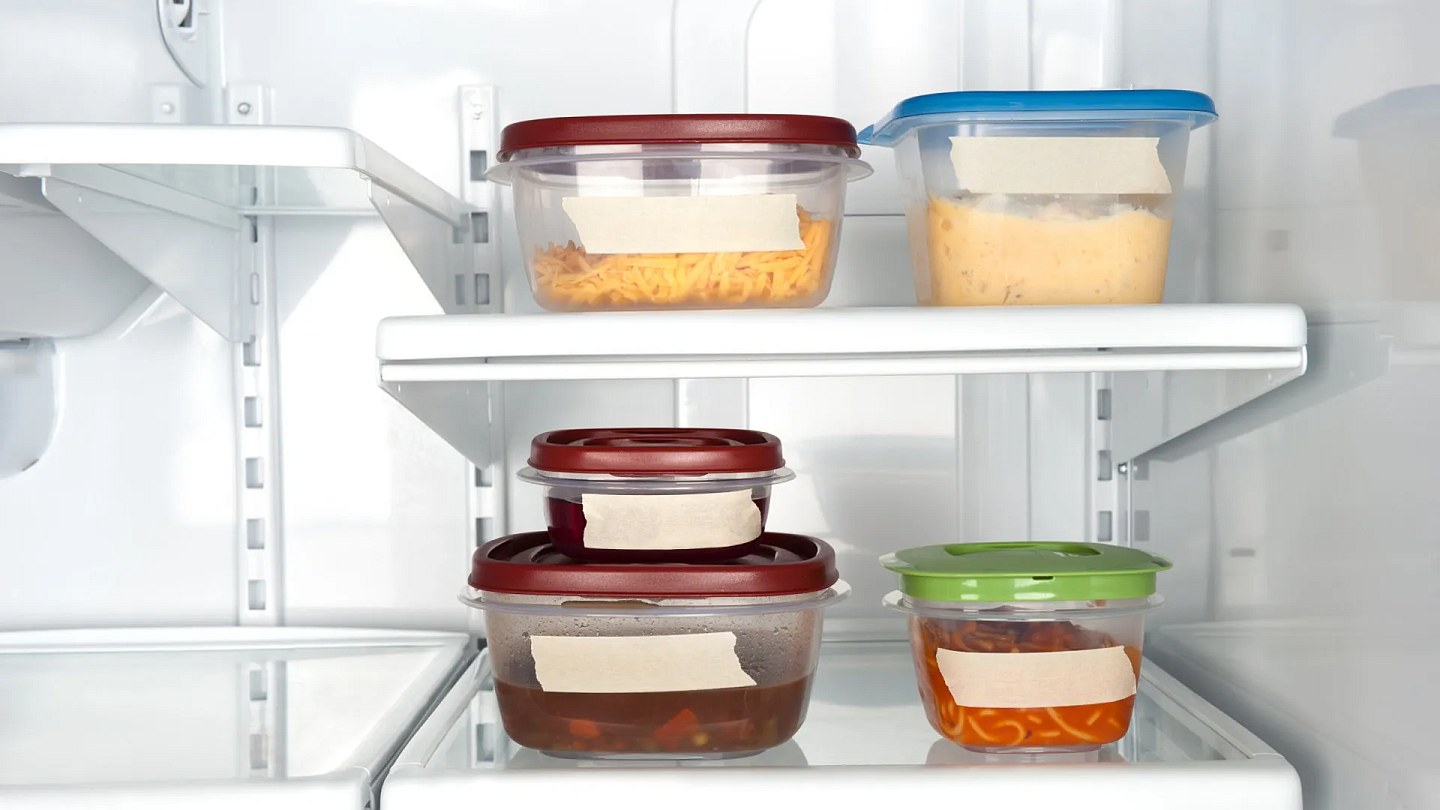
Food safety experts interviewed by Martha Stewart's website have put together some simple guidelines that can prolong the shelf life of meals and keep food safe for consumption.
Respect the two-hour rule
One of the main precautions is to store leftovers quickly in the refrigerator or freezer.
Bacteria multiply more easily between 4°C and 60°C, a range known as the “danger zone”. The longer food remains in this temperature range, the greater the risk of contamination.
Therefore, food should not remain at room temperature for more than two hours. On very hot days, this limit drops to just one hour.
There is no need to wait for the food to cool completely before placing it in the refrigerator. To speed up cooling, the ideal is to divide the food into smaller portions and leave them in shallow containers, with the lid slightly open for a few minutes.
Choose suitable containers
Low, shallow and well-sealed containers are better than deep pots, as they allow the food to cool more quickly and evenly.
Glass jars are usually a good option, as they do not stain, do not absorb odors and are more resistant to scratches.
Plastic containers can also be used, especially as they are lighter. However, they must be replaced when they are scratched, deformed or discolored.
Identify and reheat carefully
Placing a label with the name of the dish and the date it was stored helps to avoid doubts and the consumption of food that has been stored for too long.
Another recommendation is to only reheat the amount that will be consumed. The ideal is to avoid heating, cooling and reheating the same food several times.
Store in the right place in the refrigerator
The upper and central shelves are best suited for storing leftovers, as they tend to maintain a more stable temperature.
The refrigerator door suffers more temperature variations and is therefore not the best place to store ready-made meals.
Know when to freeze
When you have no intention of consuming the food in the next few days, it is best to freeze it as soon as possible, instead of leaving it in the refrigerator for a long time.
Stews, baked pastas and other prepared dishes tend to freeze well when stored in suitable packaging. Separating food into individual portions before freezing also makes it easier to thaw and prepare future meals.
How long do eggs last in the fridge? Learn how to identify
Food safety experts explain how long eggs really last, how to spot signs of contamination, and which common storage mistakes can speed spoilage and increase the risk of health problems
Source: Noticias ao Minuto - Ultima Hora
This story was originally published by Noticias ao Minuto - Ultima Hora. Visit the original publication for further details.
Open original publication